

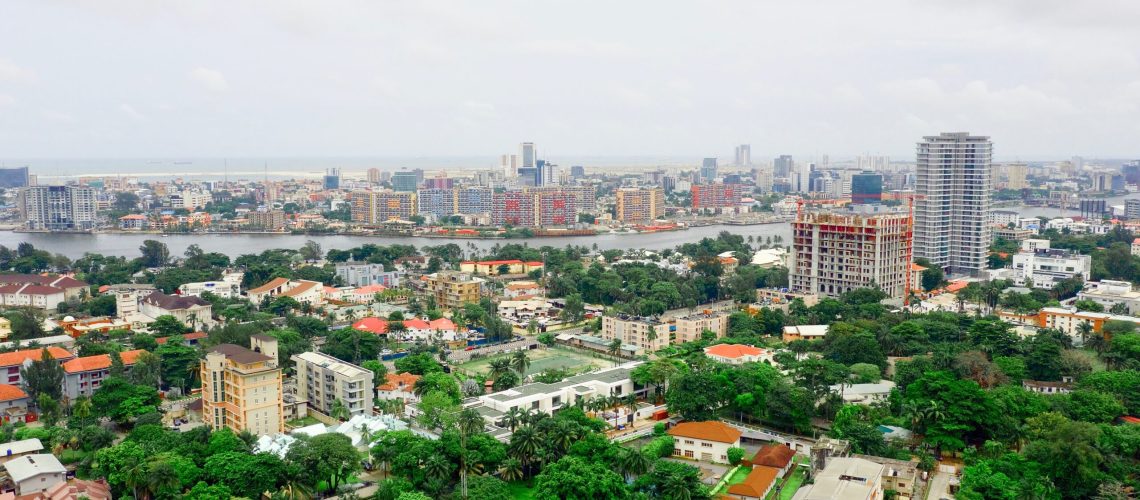
Urban living has always required adaptation. In today’s African cities, however, the pace of life has accelerated so rapidly that traditional ways of managing daily tasks are no longer sufficient.
Traffic congestion, fragmented services, long commute times, and constant coordination have turned even simple errands into time-consuming challenges. Technology is changing this reality quietly, steadily, and fundamentally.
Convenience Is No Longer About Luxury
For a long time, convenience was seen as a privilege reserved for a few. Today, it has become a necessity for anyone trying to function effectively in a modern city. Technology has shifted convenience from being occasional to being embedded in everyday life. From how we move around cities to how we manage time, pay for services, and delegate tasks, digital tools are reducing friction and improving efficiency across multiple layers of urban living.
This shift is not about extravagance. It is about making daily life manageable.
The Rise of On-Demand Culture
One of the most visible ways technology is reshaping urban convenience is through on-demand services. Mobile platforms now connect users to services in real time, from transportation and deliveries to errands and household support.
Instead of planning days ahead, urban residents can:
- Request services instantly.
- Track progress digitally.
- Pay seamlessly without cash.
- Receive updates without follow-up calls.
This immediacy has changed expectations. People now value responsiveness, reliability, and transparency more than ever before.
Smart Coordination Replaces Manual Stress
In the past, managing daily tasks required multiple phone calls, physical presence, and repeated follow-ups. Today, technology simplifies coordination through:
- Centralised communication platforms.
- Digital scheduling and reminders.
- Location tracking and status updates.
These tools reduce the mental load associated with planning and execution. Rather than worrying about whether tasks will be completed, users gain confidence through visibility and structured processes.
Less coordination means less stress, and more mental clarity.
Time as a Measurable Asset
Technology has also transformed how urban residents perceive time. With digital tracking, analytics, and automation, time is no longer abstract. It is measured, valued, and optimised.
People can now:
- Identify where time is lost daily.
- Automate repetitive tasks.
- Delegate efficiently without constant supervision.
This has profound implications for productivity. When time is treated as an asset rather than a vague concept, individuals make smarter decisions about how they spend it.
Convenience as Infrastructure
As African cities expand, technology-driven convenience is becoming a form of urban infrastructure. Just as roads and utilities support physical movement, digital systems support daily functioning. Reliable logistics platforms, lifestyle support services, and smart coordination tools allow cities to operate more smoothly, even when physical infrastructure is under pressure. This is particularly important in environments where traditional systems struggle to keep pace with population growth.
The Human Impact of Smarter Systems
Perhaps the most important change technology brings is not speed, but relief.
When daily life is better organised:
- Stress levels reduce.
- Focus improves.
- Work performance increases.
- Personal time becomes more meaningful.
Technology enables people to live with greater intention. Instead of reacting to daily pressures, individuals can design routines that support balance and sustainability.
Looking Ahead
The future of urban living in Africa will be shaped by how well technology is integrated into everyday convenience. Cities that adopt smarter systems will produce residents who are healthier, more productive, and more fulfilled.
Convenience is no longer optional. It is a foundation for modern urban life.
