

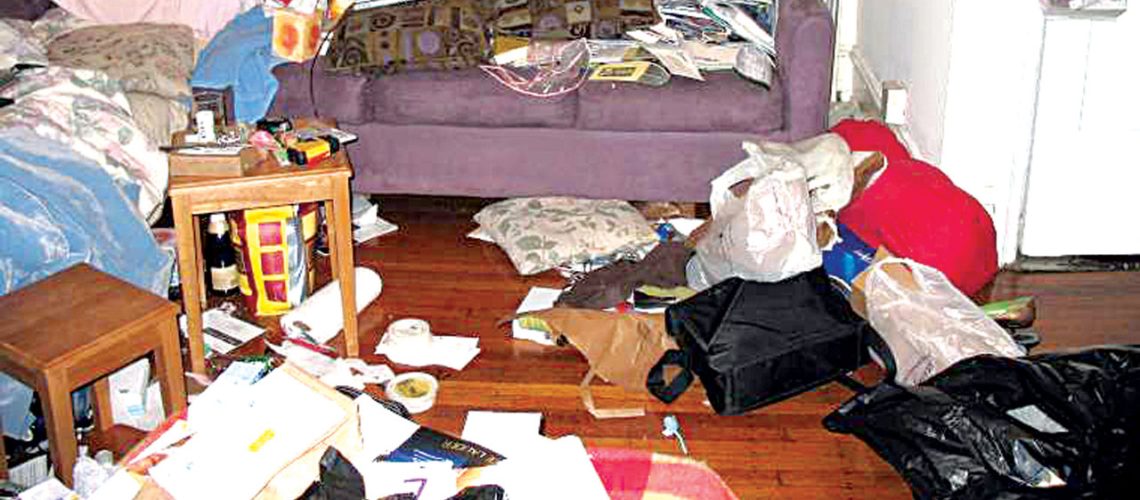
For many people, running a home feels like a never-ending to-do list. There’s always something to clean, fix, restock, cook, or remember. The problem isn’t that home life is “too much” it’s that most homes are run on reaction, not systems.
When you run your home like a system, things don’t magically become perfect. But they become predictable, lighter, and easier to manage. And that’s the real goal.
What Does It Mean to Run a Home Like a System?
A system is simply a repeatable way of doing things that reduces decision-making and stress.
Instead of asking:
-
“What should we eat today?”
-
“Why is the house always messy?”
-
“Who was supposed to buy detergent?”
You already have answers because the system decided in advance.
A well-run home works quietly in the background , just like good technology.
1. Create Routines, Not Rules
Rules feel rigid. Routines feel supportive.
Examples:
-
Laundry happens on specific days, not “whenever it piles up”
-
Cleaning is broken into small daily tasks, not weekend marathons
-
Groceries are checked weekly, not when everything is finished
When routines are predictable, your brain stops treating them like emergencies.
Practical tip:
Start with just one routine morning reset, evening kitchen clean-up, or weekly food planning.
2. Assign Roles, Even If You Live Alone
Every functional system has clear responsibility.
In many homes, tasks fail not because people are lazy, but because no one owns them.
Examples:
-
One person “owns” groceries
-
Another “owns” bills and subscriptions
-
Someone “owns” trash and recycling
If you live alone, you still assign roles just to yourself:
“I handle bills on the 25th. No thinking required.”
Clarity removes friction.
3. Design Your Space for How You Actually Live
Most homes are organized for how people wish they lived, not reality.
If shoes always pile up near the door, the system isn’t “try harder.”
The system is put a shoe rack there.
If clutter keeps appearing on the dining table, it means:
-
That surface is functioning as a drop zone
-
It needs a container, not discipline
Good systems follow behavior.
Bad systems fight it.
4. Use Technology as a Support Tool
Smart homes aren’t about gadgets, they’re about mental relief.
Simple tech systems can include:
-
Shared digital calendars for bills, school events, and cleaning days
-
Phone reminders for refills and maintenance
-
Online grocery lists that update in real time
-
Automatic subscriptions for essentials
Technology should reduce thinking, not add complexity.
5. Build Reset Moments Into the Week
No system runs perfectly forever.
That’s why successful homes have reset points:
-
A 10-minute nightly tidy
-
A weekly fridge and food check
-
A monthly review of bills, supplies, and repairs
Resets prevent small messes from becoming overwhelming chaos.
6. Simplify Decisions Before They Happen
Decision fatigue is one of the biggest reasons homes feel exhausting.
You can eliminate it by deciding once:
-
Rotating meal plans
-
Standard cleaning supplies
-
Fixed shopping days
-
Default storage locations
When decisions are made ahead of time, energy is saved for things that matter more.
7. Measure Success by Ease, Not Perfection
A good home system doesn’t look perfect, it feels manageable.
If:
-
You know where things are
-
You’re rarely rushing or forgetting
-
Tasks don’t pile up unexpectedly
Then your system is working.
The goal isn’t a picture-perfect home.
The goal is a home that supports your life instead of draining it.
Final Thought
Running a home like a system doesn’t remove emotion, warmth, or flexibility. It removes unnecessary stress.
When your home runs smoothly, you gain:
-
Time
-
Mental clarity
-
Energy for work, family, and rest
And suddenly, home feels like a place you live in, not a problem you’re always trying to solve.
