

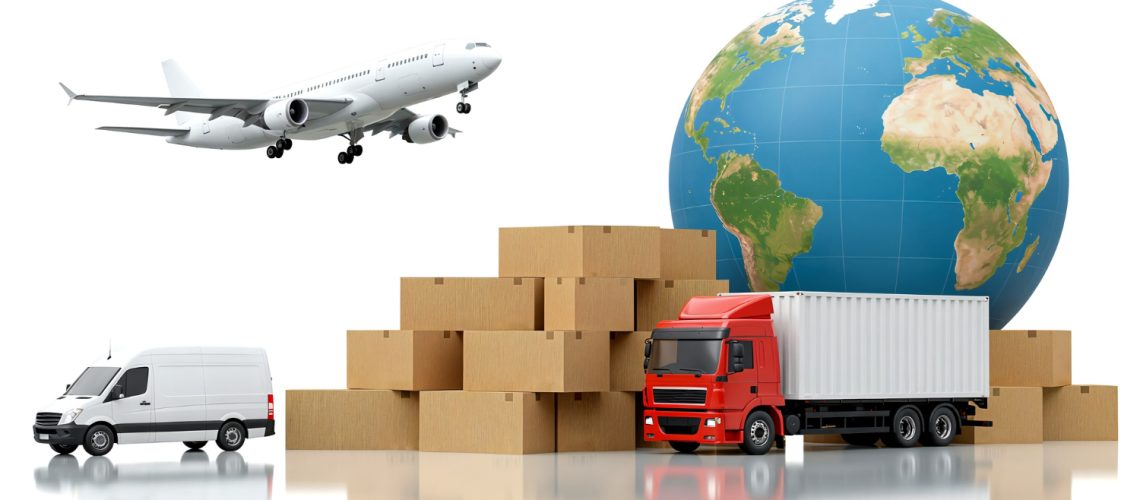
In today’s interconnected economy, logistics is the backbone of business success. Whether you run a small retail shop in Lagos, a manufacturing company in Nairobi, or an e-commerce brand selling globally, how efficiently you move goods can determine your profitability, reputation, and long-term growth.
Logistics is no longer just about transportation, it is about speed, reliability, cost control, and customer satisfaction.
What Is Logistics in Business?
Logistics refers to the planning, execution, and management of how goods, services, and information move from suppliers to customers. It includes:
-
Sourcing and procurement
-
Warehousing and inventory management
-
Transportation and distribution
-
Order fulfillment and returns management
For businesses operating in African and global markets, logistics must also navigate challenges such as infrastructure gaps, customs regulations, currency fluctuations, and cross-border trade complexities.
1. Logistics Directly Impacts Customer Satisfaction
In both local and international markets, customers expect fast, accurate, and reliable delivery.
In African cities like Accra, Lagos, or Johannesburg, delays caused by traffic congestion or poor road networks can quickly frustrate customers. Globally, missed delivery timelines or lack of shipment tracking can lead to negative reviews and lost trust.
Businesses with efficient logistics systems:
-
Deliver on time
-
Communicate clearly
-
Handle returns smoothly
2. Poor Logistics Increases Costs and Reduces Profit
Many businesses lose money through logistics inefficiencies without realizing it.
Common challenges include:
-
Overstocking due to poor demand forecasting
-
Stockouts that halt sales
-
High fuel and transportation costs
-
Spoilage, theft, or damage during transit
In Africa, unreliable power supply and limited cold-chain infrastructure can increase losses in food, agriculture, and pharmaceutical businesses. Globally, rising fuel prices and shipping delays can squeeze already thin margins.
Efficient logistics helps businesses control costs, reduce waste, and protect profit margins.
3. Logistics Determines How Well a Business Can Scale
Growth is impossible without scalable logistics. A fashion brand may succeed locally but fail when expanding regionally if it cannot manage inventory across multiple locations. Similarly, African businesses entering global markets must meet international delivery standards, customs requirements, and compliance rules.
Strong logistics systems allow businesses to:
-
Expand into new regions
-
Handle seasonal demand spikes
-
Serve larger clients and distributors
Without logistics readiness, growth becomes risky and unsustainable.
4. Logistics Controls Market Access and Reach
A business can only sell where it can deliver efficiently. For African SMEs, access to reliable logistics partners can unlock regional trade through frameworks like AfCFTA (African Continental Free Trade Area). For global businesses, logistics determines whether international shipping is affordable and competitive.
Good logistics enables:
-
Cross-border trade
-
Competitive pricing
-
Faster access to new customers
In contrast, poor logistics limits market reach, regardless of product quality.
5. Technology Is Transforming Logistics Worldwide
Digital tools are reshaping logistics in both emerging and developed markets.
Modern logistics solutions include:
-
Inventory management software
-
Real-time shipment tracking
-
Route optimization tools
-
Data-driven demand forecasting
In Africa, mobile technology and digital payment systems are helping logistics startups leapfrog traditional barriers. Globally, automation and AI are improving efficiency and transparency across supply chains.
Businesses that embrace logistics technology gain speed, accuracy, and resilience.
6. Logistics Failures Can Damage Business Reputation
Repeated delivery delays, lost shipments, or poor communication can permanently damage customer trust.
In sectors such as healthcare, agriculture, and manufacturing, logistics failures can lead to:
-
Regulatory penalties
-
Product recalls
-
Safety risks
-
Loss of critical partnerships
In both African and global markets, reputation spreads fast, and poor logistics can undo years of brand building.
7. Logistics Is a Strategic Leadership Function
Successful businesses treat logistics as a strategic priority, not a back-office task.
Business leaders must:
-
Track logistics performance metrics
-
Invest in skilled personnel and reliable partners
-
Plan for disruptions such as fuel shortages, strikes, or border delays
-
Align logistics strategy with business goals
Logistics decisions belong in the boardroom, not just the warehouse.
Final Thoughts
Logistics can quietly power business success, or silently destroy it. In African and global markets alike, businesses that invest in strong logistics systems enjoy:
-
Lower operating costs
-
Happier customers
-
Easier expansion
-
Long-term competitiveness
In an increasingly connected world, how you move goods is just as important as what you sell.
