

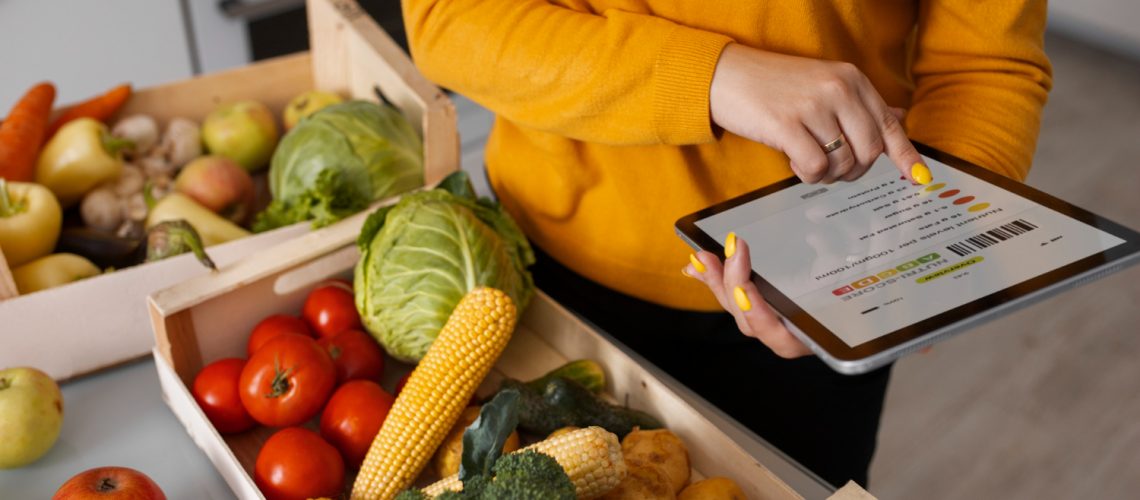
In today’s fast-changing economy, grocery prices continue to rise, making smart food planning more important than ever.
One of the most effective ways households can control spending while maintaining healthy eating habits is through bulk purchasing. When done strategically, buying groceries in bulk reduces costs, minimizes waste, and simplifies weekly meal planning.
Smart grocery planning isn’t just about buying more food, it’s about buying better, storing wisely, and planning meals intentionally.
What Is Smart Grocery Planning?
Smart grocery planning involves organizing food purchases based on household needs, budget, and consumption patterns. Instead of making frequent small shopping trips that often lead to impulse buying, bulk purchasing focuses on buying essential items in larger quantities at lower unit prices.
This approach helps families avoid last-minute shopping decisions, which are usually more expensive and less efficient.
Why Bulk Purchasing Saves Money
Bulk buying works because retailers often reduce the cost per unit when items are sold in larger quantities. Over time, these small savings add up significantly.
Key financial benefits include:
-
Lower cost per item compared to single purchases
-
Reduced transportation expenses from fewer shopping trips
-
Less impulse spending caused by frequent store visits
-
Better budget predictability
For many households, especially in urban areas where transportation and food prices fluctuate, bulk buying becomes a powerful financial strategy.
Foods That Are Ideal for Bulk Buying
Not every grocery item should be purchased in large quantities. Smart planners focus on foods with long shelf lives or flexible usage.
Best Items to Buy in Bulk
-
Rice, beans, and grains
-
Pasta and noodles
-
Cooking oil and flour
-
Frozen foods
-
Canned goods
-
Spices and seasonings
-
Household staples like tissue and cleaning supplies
These products store well and are used regularly, making them low-risk bulk purchases.
Items to Avoid Buying in Excess
-
Fresh vegetables with short shelf life
-
Bread (unless frozen)
-
Dairy products with quick expiration dates
-
Highly perishable fruits
Buying too much of these items often leads to waste, which cancels out savings.
Meal Planning: The Secret Behind Successful Bulk Shopping
Bulk buying only works when paired with meal planning. Without a plan, large quantities can become overwhelming and spoil before use.
Here’s a simple system:
-
Plan weekly meals first
Decide what your household will eat for breakfast, lunch, and dinner. -
Create a master ingredient list
Identify ingredients used repeatedly across meals. -
Buy shared ingredients in bulk
For example, rice can serve multiple dishes throughout the week. -
Prep and portion immediately
Divide bulk items into smaller containers for easier use.
Meal planning transforms bulk groceries into organized, ready-to-cook resources.
Proper Storage Makes All the Difference
Storage determines whether bulk buying saves money or creates waste.
Smart Storage Tips
-
Use airtight containers to prevent moisture and pests
-
Label items with purchase dates
-
Freeze portions you won’t use immediately
-
Store grains in cool, dry spaces
-
Rotate older items to the front (“first in, first out” method)
Good storage practices extend shelf life and maintain food quality.
Reducing Food Waste Through Bulk Planning
Many people assume buying in bulk increases waste, but the opposite is true when planning is done correctly.
Bulk grocery planning helps households:
-
Track food usage patterns
-
Cook more meals at home
-
Avoid duplicate purchases
-
Use ingredients across multiple recipes
As a result, families throw away less food and stretch their grocery budgets further.
Bulk Buying for Families and Shared Communities
Bulk purchasing becomes even more powerful when done collectively. Families, roommates, or neighborhood groups can split large quantities and share costs.
Benefits include:
-
Access to wholesale pricing
-
Reduced individual spending
-
Stronger community cooperation
-
Less packaging waste
This method is especially effective in densely populated cities where cooperative buying reduces both expenses and logistics stress.
Common Mistakes to Avoid
Even smart shoppers can make errors when starting bulk purchasing.
Avoid these pitfalls:
-
Buying items simply because they are discounted
-
Ignoring storage capacity at home
-
Purchasing unfamiliar foods in large quantities
-
Failing to track inventory
Remember: bulk buying should support your lifestyle, not complicate it.
The Long-Term Benefits of Smart Bulk Grocery Planning
Over time, households that adopt bulk grocery strategies notice several improvements:
-
More stable monthly food budgets
-
Less shopping stress
-
Healthier home-cooked meals
-
Reduced environmental impact through less packaging
Beyond savings, smart grocery planning creates a more organized and intentional relationship with food consumption.
Conclusion
Smart grocery planning using bulk purchases is not about spending more upfront, it’s about spending smarter. By combining thoughtful meal planning, strategic purchasing, and proper storage, households can significantly reduce costs while improving food security and convenience.
In an era where food prices continue to fluctuate, mastering bulk buying is becoming less of a luxury and more of a practical life skill. With the right approach, every shopping trip can become an investment in long-term savings and healthier living.
