

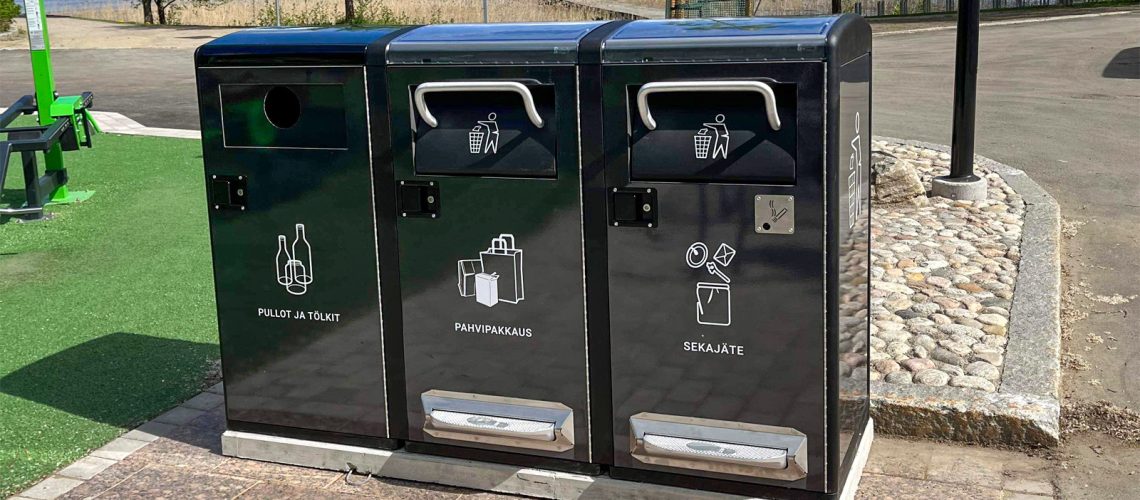
Rapid urbanization has led to a significant increase in the amount of waste produced in cities around the world.
As populations grow and consumption patterns change, traditional waste management systems are often overwhelmed. Consequently, many cities are turning to smart waste management, a modern approach that combines technology, data, and efficient planning to improve how waste is collected, processed, and reduced.
Understanding Smart Waste Management
Smart waste management refers to the use of digital technologies, sensors, and data-driven systems to optimize waste collection and disposal processes. Instead of relying solely on fixed schedules and manual monitoring, smart systems allow waste levels to be tracked in real time.
For example, sensors placed inside waste bins can measure how full they are and send this information to waste management teams. As a result, collection trucks can be dispatched only when necessary. This approach reduces unnecessary trips, saves fuel, and improves overall efficiency.
Technologies Driving Smart Waste Systems
Several technologies are being integrated into modern waste management systems.
Internet of Things (IoT) devices play a key role. Smart bins equipped with sensors can monitor fill levels, temperature, and even detect hazardous materials. Additionally, GPS tracking helps waste collection vehicles follow optimized routes, reducing travel time and fuel consumption.
Artificial intelligence and data analytics are also being used to predict waste generation patterns. By analyzing historical data, city planners can forecast which areas produce more waste and allocate resources accordingly. Furthermore, automated sorting machines in recycling facilities help separate materials more accurately, increasing recycling rates.
Environmental and Economic Benefits
Smart waste management offers multiple environmental advantages. Because waste collection routes are optimized, fuel consumption and carbon emissions are reduced. Moreover, better sorting and recycling processes help decrease the amount of waste sent to landfills.
Economically, cities can save money through more efficient operations. Reduced fuel use, fewer unnecessary trips, and improved recycling can significantly lower operational costs. At the same time, recycled materials can be sold and reused in manufacturing, contributing to a circular economy.
Encouraging Citizen Participation
Technology alone cannot solve waste problems without public involvement. Therefore, many cities are introducing mobile applications that allow residents to report overflowing bins, schedule waste pickups, and receive reminders for recycling days.
Public awareness campaigns also play a vital role. When citizens understand the importance of waste separation and responsible disposal, smart waste systems become far more effective. In addition, community initiatives such as composting programs and recycling incentives encourage sustainable habits.
Challenges and Future Prospects
Despite its advantages, smart waste management faces several challenges. The initial cost of installing sensors, upgrading infrastructure, and training personnel can be high. Data privacy concerns may also arise when monitoring systems collect information about household waste patterns.
Nevertheless, advancements in technology are gradually reducing these barriers. As smart city initiatives expand worldwide, waste management systems are expected to become more integrated, efficient, and sustainable.
Conclusion
Smart waste management represents an important step toward cleaner and more sustainable urban environments. By combining technology, efficient planning, and community participation, cities can significantly improve how waste is handled. Ultimately, these innovations not only reduce environmental impact but also create healthier and more livable urban spaces for future generations.
