

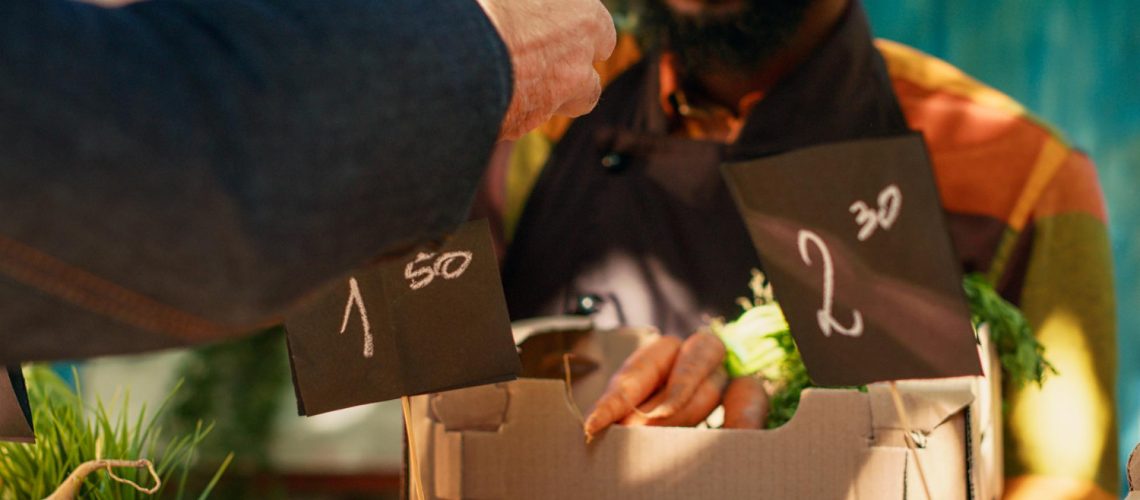
Bulk food sharing is becoming a practical solution for many communities looking to save money while supporting local businesses.
The idea is simple: a group of people purchase food items in large quantities and then divide them among themselves. While this approach helps households reduce expenses, it also creates meaningful benefits for local suppliers, farmers, and small food distributors.
Understanding Bulk Food Sharing
Bulk food sharing involves buying large quantities of food such as grains, vegetables, spices, and packaged goods and distributing them among a group of buyers. Families, neighbors, or community groups often organize these purchases together.
Instead of each household buying small portions individually, the group places a larger order from a supplier. This arrangement can include staple foods like rice, beans, cooking oil, flour, and fresh produce.
As a result, both consumers and suppliers benefit from a more efficient system.
Increased Demand for Local Suppliers
One of the biggest advantages of bulk food sharing is the steady demand it creates for local suppliers. When a group places a large order, it often exceeds what a single household would normally purchase.
For example, a local grain supplier may sell ten bags of rice to a cooperative group rather than selling one bag at a time to individual customers. This helps suppliers move inventory faster and maintain a consistent flow of income.
Steady demand also reduces uncertainty for small businesses, allowing them to plan their supply and logistics more effectively.
Lower Distribution Costs
Bulk orders reduce distribution and transportation costs for suppliers. Delivering large quantities to a single location is usually cheaper than making multiple small deliveries to different customers.
Because of this, suppliers can save time, fuel, and labor costs. In many cases, these savings allow them to offer better prices while still maintaining a profit.
This efficiency benefits both the supplier and the buyers.
Stronger Relationships Between Communities and Suppliers
Bulk food sharing often leads to stronger relationships between communities and local suppliers. When groups consistently buy from the same vendors, trust develops over time.
Suppliers may begin to offer better deals, flexible payment options, or early access to fresh products. In return, buyers gain reliable access to quality food at stable prices.
These relationships create a more cooperative local economy where businesses and consumers support each other.
Encouraging Local Food Production
When local suppliers receive regular bulk orders, they gain confidence that there is a stable market for their products. This encourages farmers and producers to increase production.
For example, a farmer who knows that a community group regularly buys vegetables in large quantities may decide to expand their farm or invest in better equipment.
In this way, bulk sharing can stimulate local agriculture and food production.
Reducing Food Waste
Bulk purchasing organized through groups often leads to better planning. Members usually decide in advance how much each household needs before placing the order.
This structured approach helps prevent overbuying and reduces the chances of food going to waste. Suppliers also benefit because they can prepare the exact quantity needed.
Less waste means more efficient use of resources across the entire food supply chain.
Supporting Local Economies
Perhaps the most important impact of bulk food sharing is its ability to strengthen local economies. When communities buy directly from nearby suppliers, more money stays within the region.
Local businesses grow, jobs are supported, and farmers gain stable markets for their goods. Over time, this creates a healthier and more resilient local food system.
Conclusion
Bulk food sharing is more than just a way to save money on groceries. It is a cooperative approach that connects households with local suppliers in a mutually beneficial system.
By increasing demand, reducing distribution costs, building trust, and encouraging local production, bulk food sharing helps strengthen both communities and small food businesses. As more people adopt this practice, it can play a meaningful role in building stronger local economies and more sustainable food systems.
