

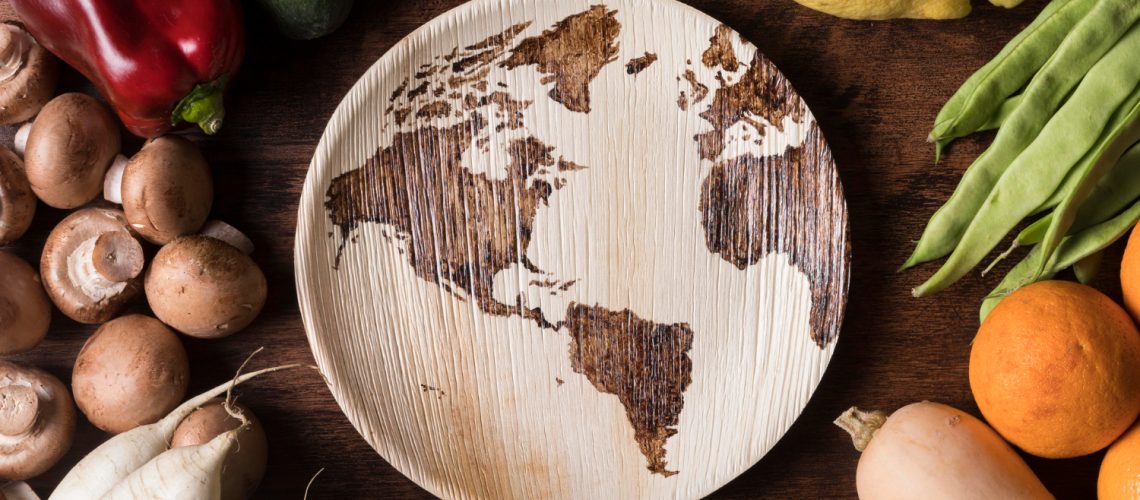
Bulk Buying and Food Security: Building Resilience Through Smart Purchasing
In today’s unpredictable world, the stability of food supply is a growing concern. From climate change and natural disasters to geopolitical tensions, multiple factors can disrupt the availability and affordability of food. One strategy that both households and communities can use to strengthen resilience is bulk buying. But how exactly does buying in bulk relate to food security? Let’s explore.
Understanding Food Security
Food security goes beyond just having enough to eat. It encompasses four key dimensions:
-
Availability – Is sufficient food produced or accessible?
-
Access – Can people afford and physically obtain nutritious food?
-
Utilization – Is the food safe and nutritionally adequate?
-
Stability – Are these conditions consistent over time, even in crises?
When any of these dimensions falter, households can face shortages, higher prices, and even malnutrition.
The Role of Bulk Buying
Bulk buying involves purchasing larger quantities of food at once, often at discounted prices, to store for future use. This practice can influence food security in several ways:
1. Ensuring Consistent Availability
Stocking staple foods like rice, beans, pasta, or canned goods provides a buffer against temporary shortages. In regions prone to natural disasters, economic instability, or supply chain disruptions, having reserves can prevent sudden hunger and reliance on emergency aid.
2. Reducing Vulnerability to Price Fluctuations
Food prices can spike due to inflation, seasonal shortages, or global crises. By purchasing in bulk, households lock in lower prices and reduce their exposure to sudden market increases. This not only saves money but also enhances food access over time.
3. Encouraging Strategic Storage and Planning
Bulk buying requires planning: assessing storage space, monitoring shelf life, and rotating stock to prevent spoilage. These practices can promote better household management of resources, minimizing waste and maximizing utility.
4. Supporting Local and Cooperative Supply Chains
Community or cooperative bulk buying can strengthen local food systems. By pooling resources, small-scale farmers and local suppliers gain predictable demand, which stabilizes production and reduces dependency on distant markets.
Challenges to Consider
While bulk buying can bolster food security, it’s not without challenges:
-
Storage limitations: Not everyone has the space for large quantities of perishable or non-perishable items.
-
Food spoilage: Without proper storage, some bulk items may expire, leading to waste.
-
Equity concerns: Bulk buying can be cost-prohibitive for low-income households, potentially widening gaps in food access.
Addressing these challenges often requires combining bulk buying with proper storage solutions, community sharing systems, and education on nutrition and inventory management.
Practical Tips for Effective Bulk Buying
-
Prioritize non-perishables like grains, legumes, and canned foods.
-
Rotate stock regularly to maintain freshness.
-
Invest in airtight storage containers and cool, dry spaces.
-
Collaborate with neighbors or community groups to share costs and reduce individual burden.
-
Plan meals ahead to ensure bulk items are fully utilized.
Conclusion
Bulk buying is more than a cost-saving strategy, it’s a proactive step toward enhancing food security. By ensuring a steady supply, mitigating price risks, and supporting local systems, households and communities can better navigate disruptions. With careful planning and mindful management, bulk purchasing becomes not just a convenience, but a vital part of a resilient food strategy.
