

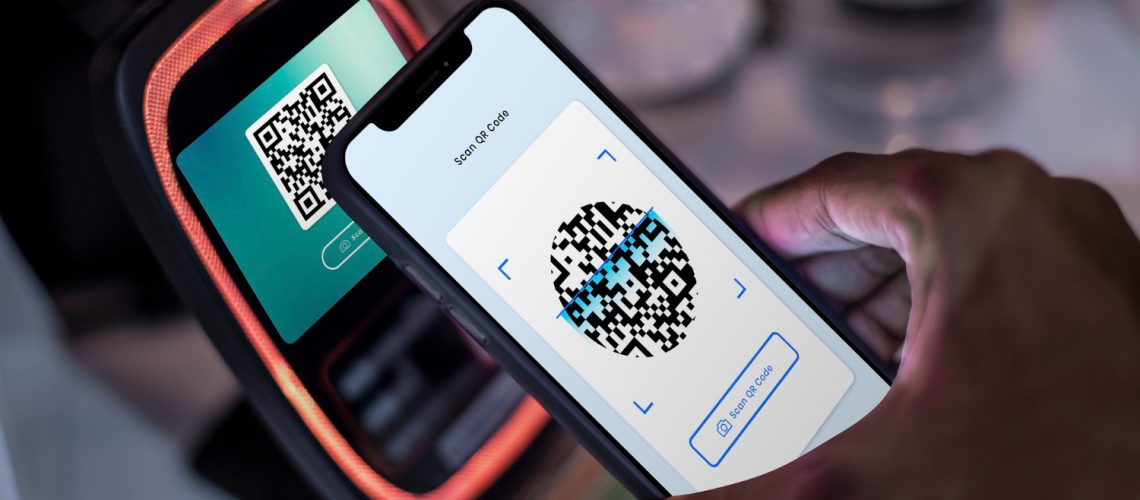
In recent years, digital payments have transformed the way businesses operate across the world.
From small street vendors to multinational corporations, the shift from cash-based transactions to digital payment systems is reshaping commerce, improving efficiency, and opening new opportunities for growth. With the rise of mobile technology, internet access, and financial innovation, digital payments are becoming a central part of modern business.
The Rise of a Cashless Economy
A digital payment refers to any transaction made electronically without the use of physical cash. These payments can occur through mobile wallets, debit and credit cards, bank transfers, or online payment platforms. Companies like PayPal, Stripe, and Square have played major roles in expanding digital payment services globally.
In many developing regions, mobile payment platforms such as M-Pesa have made financial services accessible to millions of people who previously had limited access to traditional banking systems. This shift is helping businesses reach customers in ways that were not possible before.
Faster and More Convenient Transactions
One of the biggest advantages of digital payments is speed. Traditional cash transactions often require counting money, providing change, and handling physical currency. Digital systems allow payments to be completed within seconds.
For businesses, this means shorter lines, faster service, and improved customer experience. Online businesses benefit even more because customers can make purchases instantly from anywhere in the world.
Expanding Market Reach
Digital payments allow businesses to sell beyond their physical location. With online payment systems integrated into websites and mobile apps, companies can reach customers across cities, countries, and continents.
E-commerce platforms like Amazon and Shopify rely heavily on digital payment infrastructure to enable seamless global transactions. Even small businesses can now compete in international markets without needing a physical presence abroad.
Improved Financial Tracking
Digital payment systems automatically record transactions, making financial management easier for businesses. Instead of manually tracking cash sales, business owners can access detailed reports showing revenue, customer behavior, and spending patterns.
This data helps companies make better decisions about pricing, inventory, and marketing strategies. It also simplifies accounting and tax preparation.
Enhanced Security
Handling large amounts of cash carries risks such as theft or loss. Digital payments reduce the need for physical cash and provide secure encryption technologies to protect transactions.
Payment providers also use fraud detection systems and authentication methods to ensure that transactions remain safe. While cyber threats still exist, modern payment platforms continuously improve their security measures.
Encouraging Financial Inclusion
Digital payment systems are also helping bring more people into the formal financial system. Individuals who previously relied only on cash can now store money digitally, pay bills online, and participate in the broader economy.
For businesses, this means a larger customer base and more consistent purchasing power among consumers.
Challenges Businesses Still Face
Despite their benefits, digital payments also present challenges. Businesses must invest in technology, internet connectivity, and cybersecurity measures. Transaction fees charged by payment providers can also affect profit margins, especially for small businesses.
Additionally, some customers still prefer cash due to privacy concerns or limited access to digital infrastructure.
The Future of Digital Payments
The future of business transactions is increasingly digital. Innovations such as contactless payments, mobile banking, and blockchain-based systems are likely to make digital transactions even faster and more secure.
Cryptocurrencies like Bitcoin have also sparked discussions about decentralized payment systems, although their widespread use in everyday business remains uncertain.
As technology continues to evolve, digital payments will play an even greater role in shaping how businesses operate, compete, and serve their customers.
Conclusion
Digital payments are more than just a convenient alternative to cash, they represent a fundamental shift in how businesses conduct transactions. By improving efficiency, expanding market reach, and enhancing financial transparency, digital payment systems are helping businesses grow in an increasingly connected world.
Companies that embrace these technologies are better positioned to adapt to changing consumer behaviors and thrive in the digital economy. 🚀
