

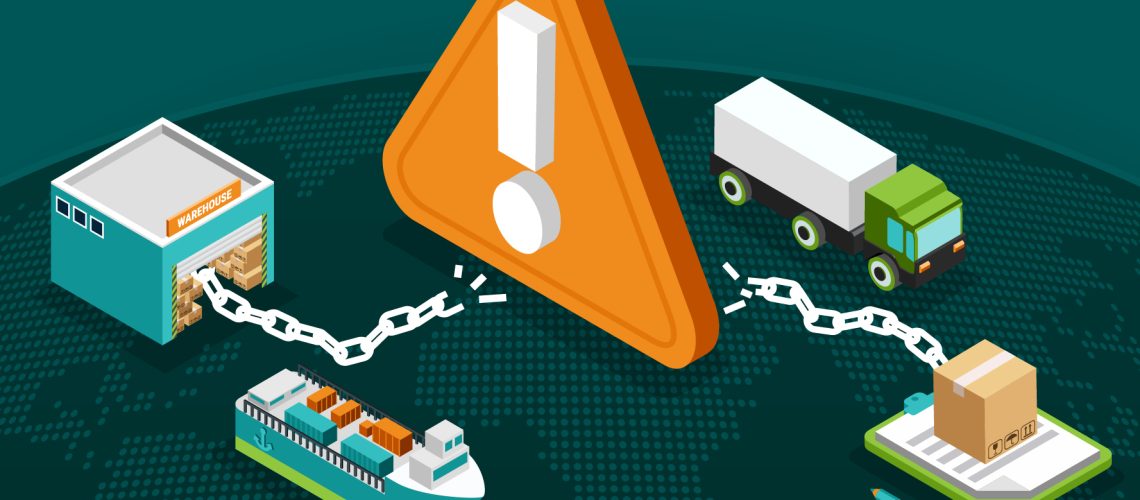
Modern life depends on complex supply chains.
These systems move raw materials, products, and services across countries and continents. From the food on supermarket shelves to smartphones and cars, nearly everything people use travels through a supply chain before reaching consumers. When something interrupts this process, it creates what experts call a supply chain disruption.
Understanding supply chain disruptions helps individuals, businesses, and governments respond more effectively when shortages or delays occur.
What Is a Supply Chain?
A supply chain is the network of organizations, people, technology, and transportation involved in producing and delivering a product. It usually includes several stages:
-
Raw material sourcing – extracting or producing basic materials.
-
Manufacturing – turning raw materials into finished goods.
-
Transportation and logistics – moving products between locations.
-
Distribution and retail – delivering goods to stores or customers.
Because these stages often occur in different countries, supply chains depend on smooth global coordination.
What Is a Supply Chain Disruption?
A supply chain disruption occurs when an unexpected event interrupts the normal flow of goods and materials. These interruptions can slow production, increase costs, or prevent products from reaching consumers altogether.
Disruptions can be temporary, lasting days or weeks. Others can persist for months or even years depending on their cause and severity.
Common Causes of Supply Chain Disruptions
Many different factors can interrupt supply chains. Some of the most common include:
Natural Disasters
Events such as hurricanes, earthquakes, floods, and wildfires can damage factories, roads, ports, and warehouses. When infrastructure is damaged, shipments may stop completely until repairs are made.
Global Health Crises
Large-scale health emergencies can reduce workforce availability and disrupt manufacturing. Lockdowns, travel restrictions, and safety regulations may slow or halt production in many industries.
Transportation Bottlenecks
Supply chains rely heavily on ships, trucks, trains, and airplanes. If ports become congested or transportation networks fail, goods can be delayed for long periods.
Political and Economic Factors
Trade disputes, sanctions, regulatory changes, or political instability can disrupt international trade. Businesses that depend on imports or exports may struggle to obtain necessary materials.
Cyberattacks and Technology Failures
Modern supply chains depend on digital systems to track shipments and manage logistics. A cyberattack or major software failure can temporarily shut down these systems.
Real-World Effects of Supply Chain Disruptions
When supply chains are disrupted, the effects spread quickly across economies.
Product Shortages
Stores may run out of certain items because shipments arrive late or manufacturers cannot produce enough goods.
Higher Prices
Limited supply combined with strong demand often leads to rising prices. Transportation costs and raw material prices may also increase.
Delayed Production
Manufacturers rely on components from multiple suppliers. If one part is missing, entire production lines can slow down or stop.
Business Losses
Companies may lose revenue if they cannot deliver products on time. Small businesses can be especially vulnerable to supply interruptions.
How Businesses Reduce Supply Chain Risks
Many companies now focus on building more resilient supply chains. Common strategies include:
-
Diversifying suppliers instead of relying on a single source
-
Increasing inventory buffers for critical materials
-
Using digital tracking systems to monitor shipments in real time
-
Reshoring or nearshoring production to reduce long-distance dependencies
-
Improving logistics planning to avoid transportation bottlenecks
These strategies do not eliminate disruptions, but they help businesses recover faster when problems occur.
Why Supply Chain Awareness Matters
Consumers often notice supply chains only when something goes wrong. Empty shelves, delayed deliveries, or rising prices highlight how interconnected the global economy has become.
By understanding supply chain disruptions, businesses can prepare better strategies, governments can improve infrastructure and policies, and consumers can make more informed decisions about purchasing and resource use.
Conclusion
Supply chains are the invisible systems that keep modern economies running. When disruptions occur, their effects can ripple through industries, communities, and households. Natural disasters, global crises, transportation problems, and political issues can all interrupt the flow of goods.
Building stronger, more flexible supply chains has become a priority worldwide. As globalization continues to connect economies, resilience and adaptability will play a crucial role in ensuring that products reach people when they are needed most.
