

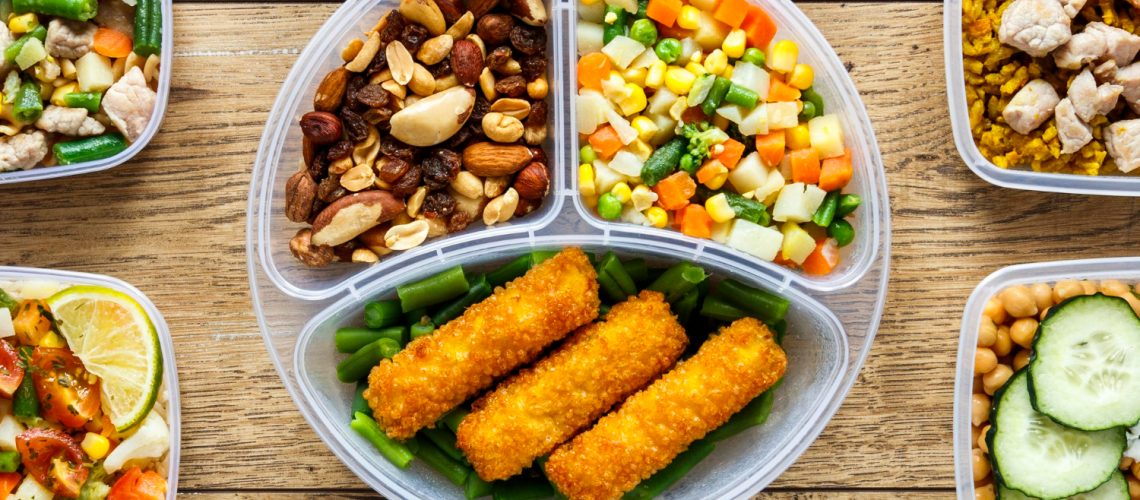
In today’s fast-paced world, finding time to prepare healthy, home-cooked meals can feel like a daunting task.
Between work, family obligations, and social commitments, many people end up resorting to takeout or skipping meals entirely. One strategy that has proven highly effective for saving time, reducing stress, and eating healthier is bulk meal planning.
What is Bulk Meal Planning?
Bulk meal planning involves preparing meals in larger quantities ahead of time, so you have ready-to-eat or easy-to-assemble meals available throughout the week. Unlike traditional cooking, which often happens daily, bulk meal planning focuses on efficiency, organization, and portion control. It combines menu planning, grocery shopping, and batch cooking into a streamlined system.
Benefits of Bulk Meal Planning
-
Saves Time
Cooking multiple meals at once reduces the number of times you need to be in the kitchen each week. For instance, preparing lunch and dinner for several days can cut cooking time by more than half. Freeing up this time allows you to focus on work, hobbies, or spending quality moments with family. -
Reduces Stress
Knowing your meals are already prepared eliminates the daily dilemma of “what’s for dinner?” This predictability reduces mealtime stress and prevents last-minute unhealthy choices. -
Promotes Healthier Eating
When meals are prepped in advance, it’s easier to control ingredients, portions, and nutrition. Bulk planning encourages balanced meals with adequate protein, vegetables, and healthy carbs. -
Saves Money
Buying ingredients in bulk and cooking at home is generally cheaper than ordering takeout or eating out. It also reduces food waste, as you only buy what you plan to use.
How to Get Started with Bulk Meal Planning
-
Plan Your Menu
Choose 3–5 meals that can be cooked in large quantities and stored safely. Consider meals that reheat well, such as soups, stews, casseroles, and grain bowls. -
Make a Shopping List
Organize your grocery list by category (proteins, vegetables, grains, spices) to make shopping faster and more efficient. -
Cook in Batches
Dedicate a few hours once or twice a week to cook your meals. Use multiple pots, pans, and ovens simultaneously to maximize efficiency. -
Store Properly
Invest in airtight containers and freezer-safe bags. Label containers with the meal name and date to keep track of freshness. Most cooked meals can last 3–5 days in the refrigerator or up to 3 months in the freezer. -
Reheat and Enjoy
Simply portion meals into serving sizes and reheat when needed. You can mix and match sides to keep meals interesting throughout the week.
Tips for Success
-
Rotate Recipes: Avoid boredom by rotating meals every few weeks.
-
Use Versatile Ingredients: Cook large batches of grains, proteins, and roasted vegetables that can be mixed into different meals.
-
Prep Snacks: Don’t forget snacks like chopped fruits, nuts, or hummus for quick energy boosts.
-
Stay Organized: Keep a calendar or meal prep checklist to track what’s ready to eat and when.
Conclusion
Bulk meal planning is more than just a time-saving tactic; it’s a lifestyle shift that promotes efficiency, health, and financial savings. By dedicating a few hours each week to thoughtful meal preparation, you can reclaim valuable time, reduce stress, and enjoy nourishing meals without the daily hassle. For anyone struggling to balance a busy schedule with healthy eating, bulk meal planning is a game-changer.
