

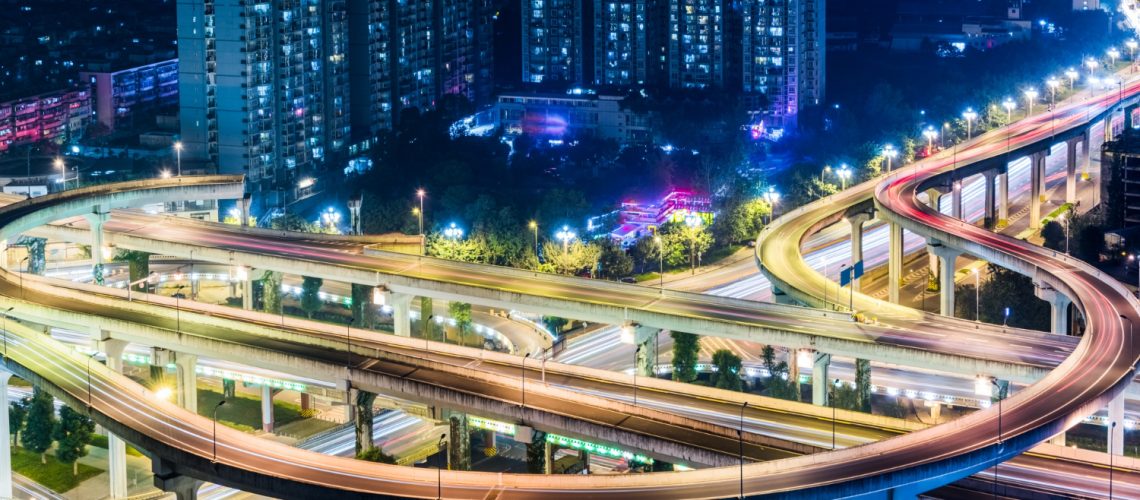
Rapid urban growth is transforming many African cities.
As populations increase and economic activities expand, transportation systems face growing pressure. Cities such as Lagos, Nairobi, and Accra experience daily traffic congestion, long commuting times, and increasing pollution.
To address these challenges, urban planners are exploring smart city transportation, a system that uses technology, digital infrastructure, and data-driven planning to improve mobility and make transportation more efficient.
Smart transportation is not just about advanced technology; it is about making urban mobility smarter, more accessible, and more sustainable for rapidly growing cities.
Why Smart Transportation Matters in African Cities
African cities are among the fastest-growing in the world. This rapid growth often outpaces infrastructure development, leading to problems such as:
-
Severe traffic congestion
-
Unreliable public transportation
-
Road safety concerns
-
Increased air pollution
For example, commuters in Lagos can spend several hours daily in traffic due to the city’s large population and limited road capacity. Smart transportation systems can help reduce these delays by improving traffic management and offering alternative mobility solutions.
Key Smart Transportation Solutions for African Cities
1. Bus Rapid Transit (BRT) Systems 🚌
One of the most practical smart transportation solutions is the Bus Rapid Transit (BRT) system. These systems provide dedicated lanes for buses, allowing them to move faster than regular traffic.
Lagos introduced Africa’s first large-scale BRT system in 2008, which significantly improved commuting times for thousands of passengers.
Similarly, Nairobi is developing its own BRT network to improve public transportation and reduce congestion.
BRT systems are cost-effective compared to building underground rail systems and are easier to expand as cities grow.
2. Ride-Hailing and Digital Mobility Apps 📱
Smartphone technology is playing a major role in transforming transportation across Africa.
Ride-hailing platforms like Uber and Bolt allow commuters to quickly find transportation through mobile apps. These services improve mobility by connecting drivers and passengers efficiently.
In many African cities, ride-hailing also creates economic opportunities for drivers and small entrepreneurs.
3. Smart Traffic Management 🚦
Traffic congestion is one of the biggest problems in cities like Accra and Lagos.
Smart traffic systems use:
-
Road sensors
-
CCTV monitoring
-
Data analytics
-
Adaptive traffic lights
These technologies help city authorities analyze traffic patterns and adjust signal timing to reduce congestion.
Real-time traffic monitoring can also help emergency vehicles navigate busy roads more quickly.
4. Digital Payment Systems for Public Transport 💳
Many African cities are transitioning from cash-based transportation systems to digital ticketing and payment solutions.
Electronic payment systems reduce delays during boarding and help transit authorities track passenger demand more accurately. Digital payments can also reduce corruption and improve transparency in public transportation systems.
Mobile money platforms are especially important in cities where banking access is limited.
5. Micro-Mobility and Alternative Transport 🚲
Short-distance travel is another challenge in crowded cities. Micro-mobility solutions such as bicycles, electric scooters, and motorcycle taxis provide flexible transport options.
Motorcycle ride-hailing services have become popular in cities like Nairobi and Accra, where they help commuters bypass traffic congestion.
Improving pedestrian walkways and bike lanes can also encourage safer and more sustainable mobility.
Challenges to Smart Transportation in Africa
Despite its potential benefits, implementing smart transportation systems in African cities comes with several challenges.
Infrastructure limitations: Many cities still lack reliable roads, digital networks, or electricity needed for advanced systems.
Funding constraints: Building smart transportation infrastructure requires large investments.
Rapid population growth: Cities often expand faster than transportation planning can keep up.
Policy coordination: Effective smart transportation systems require cooperation between government agencies, private companies, and urban planners.
The Future of Smart Transportation in Africa 🌍
Despite these challenges, the future looks promising. African cities are increasingly embracing innovation and digital solutions.
Technologies such as:
-
Artificial intelligence traffic management
-
Electric buses
-
Integrated transport apps
-
Smart road infrastructure
could significantly transform urban mobility in cities like Lagos, Nairobi, and Accra over the next decade.
With the right investments and planning, smart transportation can help African cities become more efficient, sustainable, and livable.
Conclusion
Smart city transportation offers practical solutions to the mobility challenges facing rapidly growing African cities. By combining technology, innovative policies, and improved infrastructure, cities like Lagos, Nairobi, and Accra can build transportation systems that support economic growth while improving the daily lives of millions of residents.
As urban populations continue to expand, investing in smart transportation will be essential for creating cities that are connected, sustainable, and ready for the future.
