

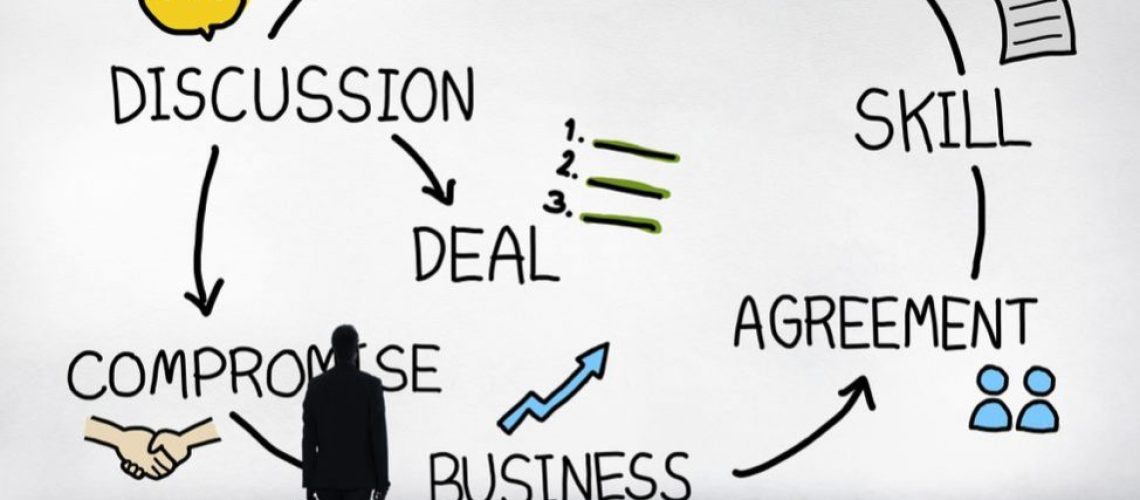
Negotiation is at the heart of every successful business.
Whether you’re closing deals, managing suppliers, resolving conflicts, or securing investments, your ability to negotiate effectively can determine your growth and profitability. For business owners, especially in competitive and fast-moving markets, negotiation is not just a skill; it’s a daily necessity.
Understanding the Power of Negotiation
Negotiation is more than just bargaining over price. It’s about creating value, building relationships, and finding solutions that benefit all parties involved. As highlighted in Getting to Yes, the most effective negotiations focus on mutual gains rather than win-lose outcomes.
For business owners, this mindset is critical. A good deal today should not damage a relationship tomorrow.
1. Preparation and Research
Successful negotiation begins long before the conversation starts. Preparation gives you confidence and clarity.
-
Understand the other party’s needs and constraints
-
Know your numbers (costs, margins, limits)
-
Define your best and worst acceptable outcomes
In markets like Lagos or Nairobi, where informal negotiations are common, preparation can give you a strong advantage over competitors who rely purely on instinct.
2. Clear Communication
Effective negotiators communicate with precision and purpose. This includes:
-
Speaking confidently and calmly
-
Avoiding ambiguity
-
Asking the right questions
Good communication also means listening. Understanding what the other party truly wants often reveals opportunities to structure better deals.
3. Active Listening
Listening is one of the most underrated negotiation skills. Many business owners focus too much on what they want to say rather than what they need to hear.
Active listening involves:
-
Paying full attention
-
Not interrupting
-
Reflecting and clarifying
When people feel heard, they are more likely to cooperate and compromise.
4. Emotional Intelligence
Negotiations are not just logical, they are emotional. Being able to manage emotions (both yours and others’) is crucial.
-
Stay calm under pressure
-
Recognize frustration or hesitation
-
Avoid reacting impulsively
Emotional intelligence helps you maintain professionalism, even in tense situations like delayed payments or contract disputes.
5. Confidence Without Aggression
Confidence is essential, but aggression can damage relationships. The goal is to be firm, not forceful.
-
Stand your ground when necessary
-
Avoid desperation or over-eagerness
-
Maintain respect at all times
In many African business environments, reputation spreads quickly. How you negotiate can influence future opportunities.
6. Flexibility and Creativity
Rigid negotiators often lose deals. The best business owners look for creative solutions.
-
Offer alternatives (payment plans, bundles, timelines)
-
Be open to compromise
-
Focus on value, not just price
For example, if a client cannot meet your price, you might adjust the scope of services instead of losing the deal entirely.
7. Knowing Your BATNA
BATNA stands for “Best Alternative To a Negotiated Agreement,” a concept popularized in Getting to Yes.
It means knowing what you will do if the negotiation fails.
-
Can you find another supplier?
-
Do you have other customers?
-
Is walking away better than accepting a bad deal?
A strong BATNA gives you power and prevents you from accepting unfavorable terms.
8. Building Long-Term Relationships
In many business ecosystems, especially in Africa, relationships matter as much as transactions.
-
Treat every negotiation as the start of a partnership
-
Be honest and transparent
-
Deliver on your promises
Trust can lead to repeat business, referrals, and better deals in the future.
9. Timing and Patience
Not every deal needs to be closed immediately. Sometimes, patience leads to better outcomes.
-
Avoid rushing decisions
-
Recognize the right moment to push or pause
-
Let silence work in your favor
In negotiation, silence can be powerful, it often encourages the other party to reveal more information.
10. Closing the Deal Effectively
A negotiation isn’t complete until it is clearly finalized.
-
Summarize agreed terms
-
Confirm details in writing
-
Ensure both parties are aligned
Clear closure prevents misunderstandings and builds trust.
Final Thoughts
Negotiation is not about winning at all costs, it’s about creating sustainable business success. For entrepreneurs and business owners, mastering negotiation skills can lead to better profits, stronger partnerships, and long-term growth.
In dynamic business environments, where competition is high and resources can be limited, those who negotiate well don’t just survive, they thrive.
