

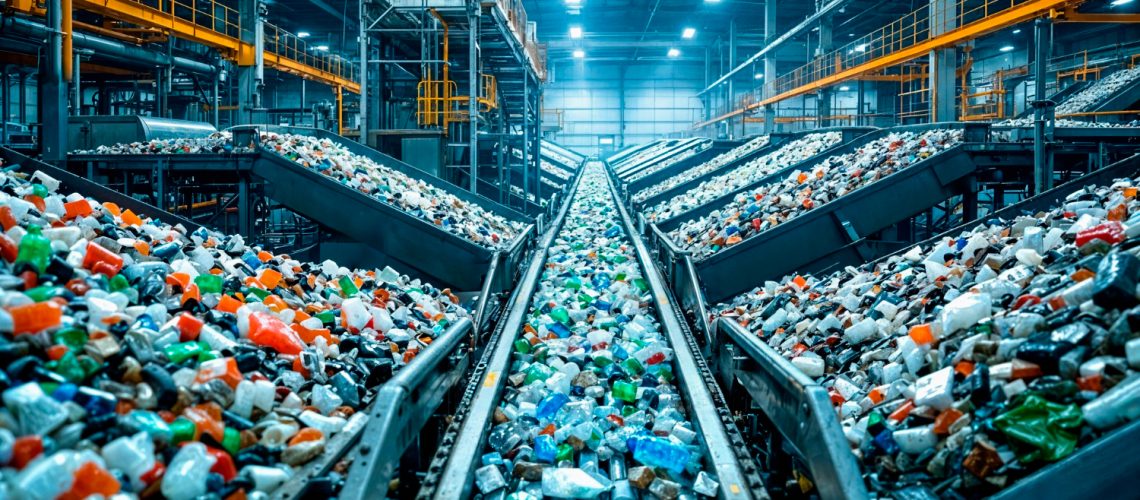
Modern cities are growing faster than ever, and with that growth comes a major challenge: managing waste efficiently.
As urban populations expand, traditional waste management systems struggle to keep up. However, cities are now turning to smart waste management solutions to improve efficiency, reduce environmental impact, and create cleaner, more sustainable communities.
Understanding Smart Waste Management
Smart waste management uses technology, data, and innovative systems to optimize how waste is collected, processed, and recycled. Instead of relying on fixed schedules and manual monitoring, cities use sensors, automation, and real-time data to make informed decisions.
For example, smart bins equipped with sensors can detect when they are full and send alerts to waste collection teams. As a result, collection routes become more efficient, reducing fuel consumption and unnecessary trips.
The Role of Technology
Technology plays a central role in transforming waste management. Cities now integrate several tools to improve operations:
- Internet of Things (IoT): Sensors in waste bins provide real-time data on fill levels.
- Artificial Intelligence (AI): AI systems analyze data to optimize collection routes and predict waste patterns.
- Mobile Applications: Residents can report waste issues or track recycling programs easily.
- Automation: Sorting facilities use machines to separate recyclable materials more accurately.
Because of these advancements, cities can respond faster to waste issues while minimizing costs.
Environmental Benefits
Smart waste management significantly reduces environmental harm. First, it cuts down on greenhouse gas emissions by optimizing collection routes and reducing fuel use. Second, it improves recycling rates by ensuring proper sorting and reducing contamination.
Additionally, many cities now convert waste into energy through modern processing plants. This approach not only reduces landfill usage but also provides an alternative energy source.
Economic Advantages
Beyond environmental impact, smart waste systems also offer financial benefits. Efficient collection reduces operational costs, while better recycling systems create opportunities for revenue generation.
Moreover, data-driven systems help city planners allocate resources more effectively. Instead of overspending on unnecessary collections, cities can invest in areas that need the most attention.
Improving Public Health and Cleanliness
Proper waste management directly impacts public health. When waste accumulates, it attracts pests and spreads diseases. Smart systems ensure timely collection, reducing health risks and improving overall sanitation.
Cleaner streets also enhance the quality of life for residents. In turn, this can boost tourism, attract investment, and create a more appealing urban environment.
Challenges to Implementation
Despite its advantages, smart waste management faces several challenges. High initial costs can discourage cities from adopting new technologies. Additionally, maintaining these systems requires technical expertise and ongoing investment.
There is also the issue of public participation. Without proper awareness and cooperation, even the most advanced systems may fail. Therefore, cities must educate residents on proper waste disposal and recycling practices.
The Future of Urban Waste Management
Looking ahead, smart waste management will continue to evolve. Cities will likely adopt more advanced technologies such as robotics, blockchain for tracking waste streams, and fully automated recycling systems.
Furthermore, the concept of a “circular economy” is gaining traction. Instead of treating waste as a problem, cities will view it as a resource that can be reused, recycled, or repurposed.
Conclusion
Smart waste management represents a critical step toward building sustainable modern cities. By combining technology, data, and community participation, cities can manage waste more efficiently while protecting the environment.
Although challenges remain, the benefits far outweigh the drawbacks. As more cities adopt these systems, the vision of cleaner, healthier, and more sustainable urban spaces will become a reality.
