

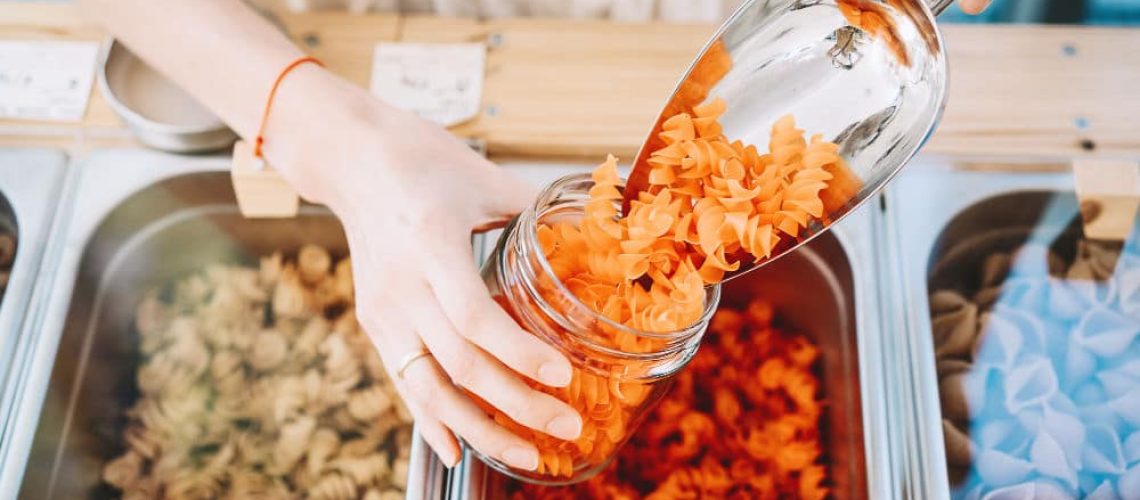
Bulk food buying is often associated with large households or commercial kitchens, but it can be just as useful for small families.
When done thoughtfully, it helps reduce grocery costs, minimize waste, and make meal planning easier. However, it requires smart planning to avoid overbuying and spoilage.
Understanding Bulk Buying in a Small Household
For small families, bulk buying doesn’t necessarily mean purchasing extremely large quantities. Instead, it means buying in slightly larger portions than usual or choosing items with long shelf lives. This approach focuses on value rather than volume.
Staples like rice, beans, pasta, cooking oil, flour, and canned goods are ideal for bulk purchasing because they last long and are used regularly in most households.
The Cost-Saving Advantage
One of the biggest benefits of bulk buying is reduced cost per unit. Supermarkets and wholesale markets often offer discounts when you buy in larger quantities.
Small families can take advantage of this by:
- Comparing unit prices instead of package prices
- Buying during sales or promotions
- Splitting bulk purchases with trusted friends or relatives
Over time, these small savings add up significantly and reduce monthly grocery expenses.
Better Meal Planning and Less Stress
When you have essential food items already stocked, daily meal decisions become easier. Bulk buying allows families to plan meals ahead and avoid frequent last-minute shopping trips.
This leads to:
- Fewer impulsive purchases
- More structured weekly meal plans
- Reduced stress about “what to cook”
It also encourages healthier eating habits since ingredients are readily available at home.
Reducing Packaging and Shopping Frequency
Buying in bulk helps reduce the amount of packaging waste generated from frequent small purchases. It also means fewer trips to the market or supermarket, saving both time and transport costs.
For small families with busy schedules, this convenience can make a big difference in daily life.
Smart Storage is Key
The main challenge for small families is storage space. Without proper storage, bulk buying can lead to food spoilage or waste.
To avoid this, families should:
- Store dry goods in airtight containers
- Use FIFO (First In, First Out) rotation for older items
- Freeze perishable items like meat in portions
- Keep storage areas cool and dry
Good organization ensures that nothing goes to waste.
Avoiding Common Mistakes
Bulk buying only works when done wisely. Small families should avoid:
- Buying items they rarely use just because they are cheap
- Ignoring expiration dates
- Overestimating storage capacity
- Failing to track what is already at home
A simple shopping list and inventory check can prevent unnecessary spending.
Choosing the Right Items to Buy in Bulk
Not everything is suitable for bulk purchase. Focus on:
- Staple foods (rice, beans, maize, pasta)
- Household essentials (oil, salt, sugar)
- Frozen foods (meat, fish, vegetables)
- Long-lasting packaged goods (canned foods, spices)
Perishable items like fresh vegetables and fruits should still be bought in smaller quantities.
Conclusion
Bulk food buying can be a smart strategy for small families when it is planned carefully. It helps save money, reduces shopping stress, and improves household efficiency. The key is balance—buying enough to enjoy the benefits without creating waste. With the right habits, even a small household can shop like a big saver.
