

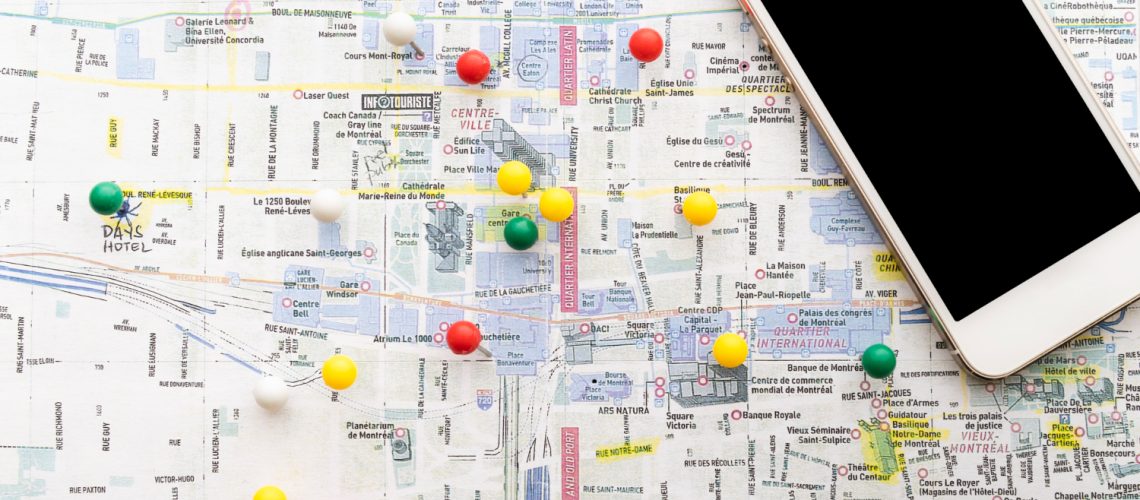
In today’s fast-paced world, errands can quickly pile up, grocery shopping, bank visits, picking up prescriptions, dropping off packages, and more.
Without a clear plan, these small tasks can consume a large portion of your day. Efficient errand mapping is a simple yet powerful strategy that helps you complete more in less time, save money, and reduce stress. Here’s how to master it.
What Is Errand Mapping?
Errand mapping is the process of planning and organizing your tasks based on location, priority, and timing. Instead of running errands randomly, you group them strategically to minimize travel distance, avoid backtracking, and maximize efficiency.
Why Efficient Errand Mapping Matters
1. Saves Time
By clustering tasks in the same area, you reduce unnecessary trips and avoid wasting hours on the road.
2. Cuts Transportation Costs
Less driving means lower fuel expenses or transport fares.
3. Reduces Stress
A clear plan eliminates the feeling of being overwhelmed and helps you stay focused.
4. Boosts Productivity
With fewer interruptions and delays, you can accomplish more in a shorter period.
Key Techniques for Efficient Errand Mapping
1. List All Your Errands First
Start by writing down everything you need to do. Include locations, deadlines, and any specific time constraints (like store hours or appointments). Seeing everything in one place helps you plan better.
2. Group Tasks by Location
Organize your errands based on proximity. For example:
- All tasks in your neighborhood
- Errands in a specific district
- Stops along your daily commute route
This prevents unnecessary back-and-forth movement.
3. Prioritize Strategically
Not all errands are equally urgent. Rank them based on:
- Time sensitivity (e.g., closing hours)
- Importance
- Convenience
Handle high-priority tasks first, especially those with strict deadlines.
4. Plan the Best Route
Use a logical route that flows smoothly from one stop to the next. Aim for:
- Circular routes (start and end at home)
- Minimal traffic areas
- Roads you’re familiar with
If possible, schedule errands during off-peak hours to avoid delays.
5. Combine Errands with Existing Trips
Maximize efficiency by adding errands to trips you already plan to make. For instance:
- Stop by the store on your way home from work
- Handle bank transactions near your gym or school
This reduces the need for separate trips.
6. Batch Similar Tasks
Group errands that require similar actions, such as:
- Phone calls
- Online orders
- Bill payments
Completing these together keeps your workflow smooth and focused.
7. Use Digital Tools
Leverage technology to simplify planning:
- Map apps for route optimization
- To-do list apps for tracking tasks
- Calendar reminders for deadlines
These tools help you stay organized and adapt quickly if plans change.
8. Prepare in Advance
Before leaving:
- Gather all necessary documents, lists, or items
- Check store hours and availability
- Ensure you have payment methods ready
Preparation prevents unnecessary return trips.
9. Allow Buffer Time
Unexpected delays happen; traffic, queues, or sudden changes. Build extra time into your schedule to avoid rushing or missing important tasks.
10. Review and Improve
After completing your errands, reflect on what worked and what didn’t. Over time, you’ll develop a system that suits your routine perfectly.
Practical Example
Instead of making separate trips:
- Morning: Drop off laundry → Visit nearby grocery store → Stop at pharmacy
- Afternoon: Attend appointment → Handle bank tasks nearby
This structured approach could save hours compared to scattered trips throughout the day.
Final Thoughts
Efficient errand mapping is not just about getting things done, it’s about doing them smarter. With a little planning and organization, you can transform a chaotic list of tasks into a smooth, time-saving routine. Over time, this habit will free up more of your day for what truly matters, whether it’s work, rest, or spending time with loved ones.
Master the map, and you master your time.
