

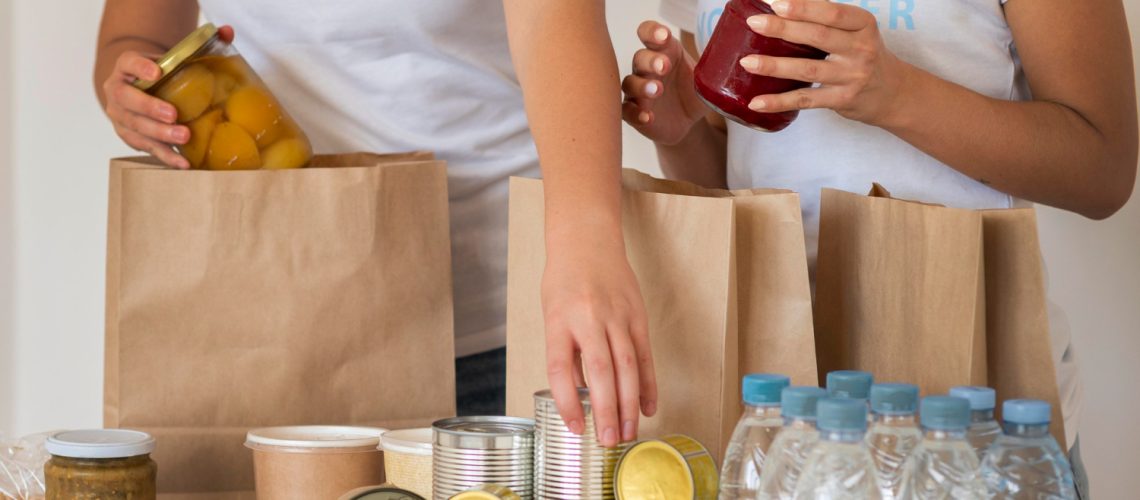
In an era where rising food prices and economic uncertainty affect many households, bulk food buying has become more than just a personal cost-saving strategy.
It is increasingly recognized as a powerful tool that can strengthen communities, reduce waste, and promote sustainable living. While individuals often focus on the financial advantages, the broader community benefits are just as significant.
Understanding Bulk Food Buying
Bulk food buying involves purchasing large quantities of food items at once, often at discounted rates. These items typically include staples such as rice, beans, grains, flour, and canned goods. Consumers may buy directly from wholesalers, farmers, or cooperative groups to maximize savings.
However, beyond individual households, bulk buying can evolve into a collective effort, where groups of people come together to purchase and share food resources.
Economic Advantages for Communities
One of the most immediate benefits of bulk food buying is cost reduction. When communities organize group purchases, they can negotiate better prices with suppliers. As a result, families, especially those with limited income, gain access to affordable, high-quality food.
Additionally, local economies benefit when communities choose to buy directly from nearby farmers or producers. This approach keeps money circulating within the community and supports small-scale agriculture and local businesses.
Strengthening Social Connections
Bulk buying often encourages collaboration. Neighbors, friends, and community groups must coordinate orders, share costs, and distribute goods. Through this process, relationships are strengthened, and trust is built.
In many cases, community buying groups become platforms for sharing information, supporting one another, and fostering a sense of belonging. This social cohesion can be particularly valuable in urban areas where people may otherwise feel disconnected.
Reducing Food Waste
Buying in bulk can significantly reduce packaging waste, as products are often sold with minimal or reusable packaging. Moreover, when communities coordinate their purchases, they can plan consumption more effectively and avoid overbuying.
Food sharing systems also help ensure that surplus items do not go to waste. For example, if one household has excess produce, it can easily be redistributed within the group.
Encouraging Healthier Eating Habits
Bulk food buying often focuses on whole, unprocessed foods such as grains, legumes, and fresh produce. These options are typically healthier than highly processed alternatives.
As communities adopt bulk buying practices, they may also share recipes, cooking tips, and nutritional knowledge. Consequently, healthier eating habits can spread organically among members.
Promoting Food Security
Food security remains a major challenge in many regions. Bulk buying groups can act as informal safety nets, ensuring that members have consistent access to essential food supplies.
In times of crisis, such as economic downturns or supply chain disruptions, communities that already practice bulk buying are often better prepared. Their established networks and shared resources make it easier to respond effectively.
Environmental Impact
From an environmental perspective, bulk buying reduces the need for excessive packaging and transportation. Fewer trips to the store and consolidated deliveries lead to lower carbon emissions.
Furthermore, supporting local producers reduces the environmental cost associated with long-distance food transportation. This contributes to a more sustainable and eco-friendly food system.
Practical Tips for Starting a Community Bulk Buying Group
To successfully implement bulk food buying in a community, consider the following steps:
- Start Small: Begin with a few trusted individuals and gradually expand.
- Plan Carefully: Decide on the types of food to purchase and estimate quantities accurately.
- Establish Clear Roles: Assign responsibilities such as ordering, payment collection, and distribution.
- Communicate Effectively: Use group chats or meetings to stay organized and transparent.
- Ensure Fair Distribution: Divide goods equitably to maintain trust among members.
Conclusion
Bulk food buying is more than a smart shopping strategy, it is a pathway to stronger, more resilient communities. By reducing costs, minimizing waste, and fostering cooperation, it creates a ripple effect that benefits both individuals and society as a whole.
As more people embrace this approach, the impact extends beyond savings, contributing to healthier lifestyles, economic stability, and a more sustainable future.
