

For many households, food is one of the biggest and most consistent expenses.
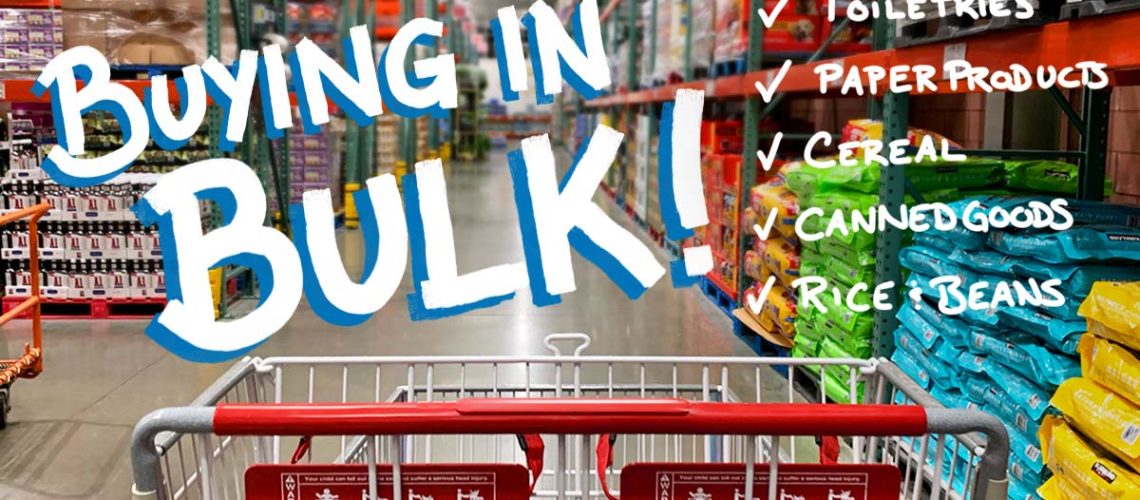
However, one strategy that continues to help families reduce costs, improve planning, and waste less food is bulk buying. When done correctly, buying food in large quantities can significantly stretch a household budget while also making daily life more convenient.
Understanding Bulk Food Buying
Bulk food buying simply means purchasing larger quantities of staple items such as rice, beans, oil, pasta, flour, or frozen foods at once. Instead of buying small portions frequently, families stock up for a longer period. Although the upfront cost may seem higher, the long-term savings are often substantial.
Lower Cost Per Unit
One of the biggest advantages of bulk buying is the reduced cost per unit. Generally, retailers and wholesalers offer discounts when items are purchased in larger quantities. As a result, families pay less for each kilogram or liter compared to buying smaller packs repeatedly.
For example, a 50kg bag of rice is usually more affordable per cup than buying multiple 1kg bags over time. Therefore, over weeks and months, the savings become noticeable.
Fewer Shopping Trips, Less Impulse Spending
Another important benefit is reduced frequency of shopping. Since essentials are already stocked at home, families make fewer trips to the market or store. Consequently, this reduces transportation costs and also limits impulse purchases, those extra items that were not planned but often end up in the basket.
Over time, this simple habit helps families stay within budget more consistently.
Better Meal Planning and Organization
Bulk food storage encourages better planning. When households know exactly what they have in stock, it becomes easier to plan meals ahead. This reduces last-minute spending on takeout or unnecessary groceries.
In addition, structured meal planning helps families create balanced diets because ingredients are already available at home.
Reducing Food Waste
At first glance, buying in bulk may seem like it could increase waste. However, when properly managed, it actually reduces it. Families who buy in bulk tend to store food more carefully and track usage more closely.
For instance, dry foods like beans and rice can last for months when stored correctly. Similarly, freezing bulk meat portions prevents spoilage and ensures nothing goes to waste.
Smart Storage Makes the Difference
To maximize savings, proper storage is essential. Airtight containers, sealed bags, and cool dry spaces help preserve bulk food items for longer periods. Without good storage practices, the benefits of bulk buying can quickly disappear.
Moreover, labeling items with purchase dates helps households use older stock first, reducing spoilage.
Bulk Buying and Community Sharing
In many communities, families also collaborate when buying in bulk. For example, neighbors or extended families may pool money to purchase large quantities and then share them. This approach not only reduces cost further but also strengthens community support systems.
Final Thoughts
Ultimately, bulk food buying is more than just a shopping habit, it is a financial strategy. When families plan properly, store food correctly, and avoid unnecessary purchases, they can save a significant amount of money over time.
By combining discipline with smart purchasing decisions, households can enjoy both financial relief and a more organized kitchen.
