

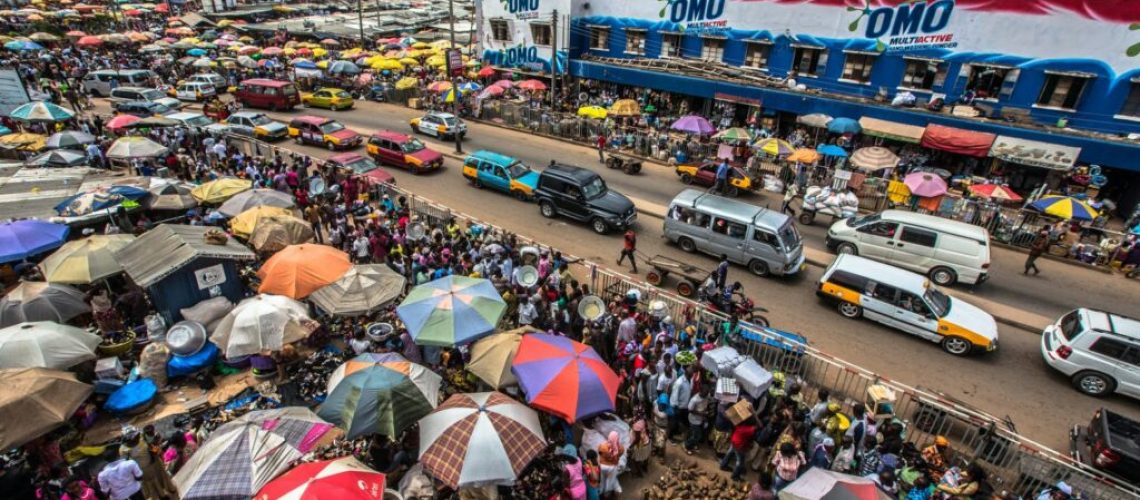
A Day Inside Africa’s Largest Open-Air Markets
Africa’s open-air markets are more than places of trade. They are vibrant centers of culture, entrepreneurship, community interaction, and economic activity. Every day, millions of people visit these bustling spaces to buy, sell, negotiate, and connect. From fresh produce and textiles to electronics and handcrafted goods, Africa’s largest markets offer a fascinating glimpse into the continent’s dynamic commercial life.
Spending a day inside one of these massive marketplaces is an unforgettable experience. The sights, sounds, aromas, and energy create an atmosphere unlike anywhere else in the world.
The Early Morning Rush
Long before sunrise, traders begin arriving at the market. Trucks loaded with vegetables, grains, livestock, clothing, and household goods line the entrances. Porters move quickly through narrow pathways carrying heavy loads on carts, wheelbarrows, and sometimes even on their heads.
By dawn, market stalls are already being arranged. Vendors carefully display their products to attract the day’s first customers. Farmers unload freshly harvested produce while wholesalers prepare to serve retailers who travel from surrounding towns and villages.
The early hours are particularly important because many buyers seek the freshest products and the best wholesale prices.
A Marketplace of Endless Variety
One of the most impressive aspects of Africa’s largest open-air markets is the sheer variety of goods available.
Visitors can find:
- Fresh fruits and vegetables
- Spices and local delicacies
- Traditional fabrics and fashion items
- Electronics and mobile accessories
- Household supplies
- Building materials
- Livestock and agricultural products
- Handmade crafts and artwork
In markets such as Onitsha Main Market in Nigeria, Kumasi Central Market in Ghana, and Addis Mercato in Ethiopia, thousands of traders operate side by side, creating a commercial ecosystem that serves millions of customers annually.
Walking through these markets often feels like exploring a small city. Different sections specialize in specific products, making navigation both exciting and challenging.
The Art of Negotiation
Bargaining is a central part of the market experience across many African countries. Unlike fixed-price retail stores, open-air markets encourage interaction between buyers and sellers. Prices are often negotiated through friendly discussions that reflect local customs and business traditions.
Experienced shoppers understand that successful bargaining requires patience, respect, and a sense of humor. Vendors often build long-term relationships with regular customers, creating trust that benefits both parties over time.
Negotiation is not merely about reducing prices. It is a social process that strengthens community ties and keeps traditional trading practices alive.
Food, Flavor, and Local Cuisine
No visit to an African market is complete without sampling local food. Throughout the day, food vendors prepare fresh meals for traders, shoppers, and visitors. The aroma of grilled meat, roasted maize, fried snacks, spicy stews, and freshly baked bread fills the air.
Market eateries often serve some of the most authentic local dishes available. These food stalls provide affordable meals while supporting hundreds of small-scale entrepreneurs.
For many visitors, tasting market food becomes one of the highlights of the entire experience.
The Economic Engine of Communities
Africa’s largest open-air markets play a crucial role in local and national economies.
They create employment opportunities for:
- Traders
- Farmers
- Transport operators
- Artisans
- Food vendors
- Porters
- Warehouse operators
Many small businesses begin in these markets before expanding into larger enterprises. As a result, open-air markets serve as important incubators for entrepreneurship.
They also connect rural producers with urban consumers, helping goods move efficiently across regions and supporting economic growth.
Technology Meets Tradition
Although these markets maintain many traditional practices, modern technology is becoming increasingly common.
Today, many traders use:
- Mobile payment platforms
- Digital banking services
- Social media marketing
- Messaging applications for customer orders
- Online delivery services
This blend of tradition and innovation allows market businesses to reach more customers while preserving the personal interactions that make open-air commerce unique.
As smartphone adoption continues to grow across Africa, digital tools are helping traders improve efficiency and expand their operations.
Afternoon Activity and Peak Crowds
By midday, the market reaches its busiest period. Crowds fill the walkways as shoppers search for bargains and businesses replenish their inventory. Voices rise above the constant movement of people, creating a lively atmosphere that reflects the market’s importance to daily life.
At peak hours, the energy is remarkable. Every corner presents new opportunities for trade, conversation, and discovery.
For first-time visitors, the experience can feel overwhelming. However, regular customers navigate the environment with ease, often knowing exactly where to find the best products and most trusted vendors.
Closing Time and Preparation for Tomorrow
As evening approaches, activity gradually slows. Vendors begin counting sales, packing unsold goods, and planning for the next day.
Some traders travel long distances back to their communities, while others remain nearby to prepare for another early start.
Despite the long hours and demanding work, many market participants view their businesses as pathways to financial independence and family stability.
The cycle then begins again before dawn, ensuring that these commercial hubs continue serving millions of people every day.
Conclusion
Africa’s largest open-air markets represent far more than centers of commerce. They are living institutions where culture, entrepreneurship, and community intersect. From the early morning arrival of traders to the evening close of business, these markets showcase the resilience, creativity, and determination that drive African economies.
A day spent inside one of these remarkable marketplaces reveals not only how goods are bought and sold but also how communities connect, traditions endure, and opportunities are created. As Africa continues to urbanize and modernize, its open-air markets remain vital spaces that bridge the past and the future while powering economic life across the continent.
