

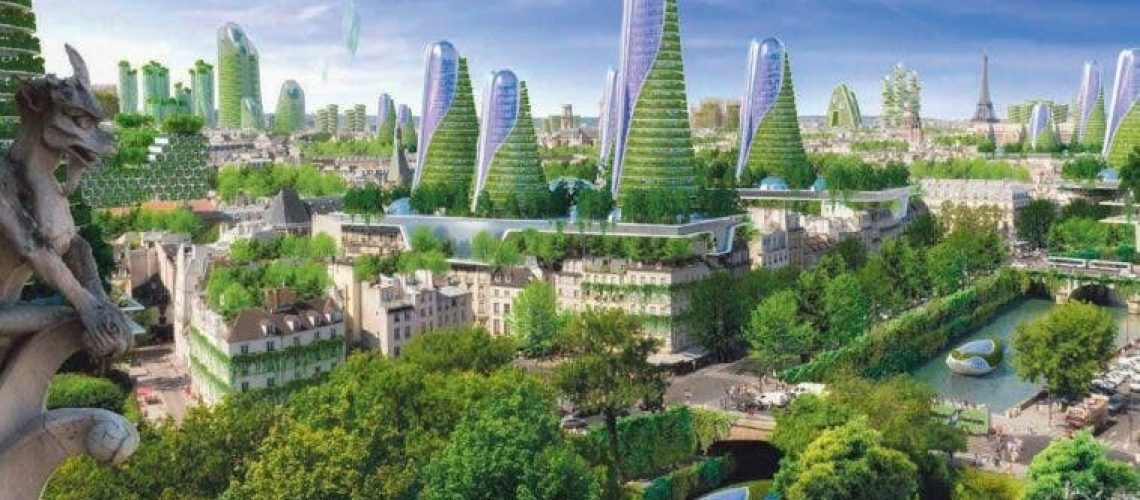
Green Urban Development Trends Across Africa: Building Sustainable Cities for the Future
Africa is experiencing one of the fastest urbanization rates in the world. Millions of people move into cities each year in search of better economic opportunities, education, healthcare, and improved living standards. While rapid urban growth presents significant opportunities, it also creates challenges such as housing shortages, traffic congestion, pollution, waste management issues, and pressure on natural resources.
To address these concerns, many African cities are embracing green urban development. This approach focuses on creating environmentally sustainable, economically viable, and socially inclusive urban spaces. Governments, private developers, and international partners are investing in green infrastructure, renewable energy, sustainable transportation, and climate-resilient city planning.
As African cities continue to expand, green urban development is becoming a critical strategy for ensuring long-term sustainability and improving the quality of life for urban residents.
Understanding Green Urban Development
Green urban development refers to the planning, design, construction, and management of cities in ways that minimize environmental impact while promoting economic growth and social well-being.
Key components include:
- Energy-efficient buildings
- Sustainable transportation systems
- Renewable energy adoption
- Urban green spaces
- Effective waste management
- Water conservation initiatives
- Climate-resilient infrastructure
- Smart city technologies
The goal is to create cities that can meet present needs without compromising the ability of future generations to thrive.
The Rise of Sustainable City Planning
Many African governments are integrating sustainability into national and municipal development plans. Urban planners are increasingly considering environmental factors when designing new neighborhoods, commercial districts, and transportation systems.
Cities are moving away from traditional expansion models that often lead to urban sprawl and environmental degradation. Instead, planners are promoting mixed-use developments that reduce travel distances and encourage walking and cycling.
New urban projects are also incorporating green building standards, energy-efficient technologies, and environmentally friendly construction materials.
Growth of Renewable Energy in Urban Areas
Renewable energy is playing an increasingly important role in African urban development. Many cities face challenges related to unreliable electricity supply and rising energy demand.
Solar power has emerged as one of the most practical solutions due to Africa’s abundant sunlight. Residential buildings, commercial centers, schools, hospitals, and government facilities are increasingly installing solar systems to supplement or replace conventional energy sources.
In addition, some urban developments are integrating renewable energy solutions directly into their design, creating communities that generate a significant portion of their own electricity.
These investments help reduce greenhouse gas emissions while improving energy security.
Expansion of Green Buildings
Green building practices are gaining momentum across the continent. Developers are increasingly recognizing the long-term financial and environmental benefits of sustainable construction.
Modern green buildings often feature:
- Energy-efficient lighting systems
- Natural ventilation designs
- Water-saving technologies
- Sustainable construction materials
- Solar energy integration
- Smart energy management systems
These buildings consume less energy and water while providing healthier indoor environments for occupants.
As awareness grows, green certification programs are encouraging developers to adopt higher sustainability standards in both residential and commercial projects.
Sustainable Transportation Solutions
Transportation is one of the largest contributors to urban pollution and traffic congestion. African cities are exploring various solutions to create more sustainable mobility systems.
Public transportation networks are expanding in many urban centers. Bus rapid transit systems, commuter rail services, and modern transit hubs are helping reduce dependence on private vehicles.
Many cities are also investing in:
- Bicycle lanes
- Pedestrian-friendly infrastructure
- Electric vehicle initiatives
- Integrated transport systems
- Smart traffic management technologies
These efforts improve mobility while reducing emissions and enhancing urban livability.
Urban Green Spaces and Environmental Restoration
Green spaces are becoming a key feature of modern urban planning across Africa. Parks, urban forests, community gardens, and recreational areas contribute to healthier and more attractive cities.
The benefits of urban green spaces include:
- Improved air quality
- Reduced urban heat island effects
- Enhanced biodiversity
- Better stormwater management
- Improved mental and physical health
Many cities are also undertaking tree-planting campaigns and restoring degraded urban ecosystems to strengthen climate resilience.
These initiatives help create more balanced relationships between urban development and nature.
Smart Waste Management Systems
Rapid urbanization has increased the volume of waste generated in African cities. Traditional waste management systems often struggle to keep pace with population growth.
As a result, many municipalities are adopting innovative waste management strategies such as:
- Recycling programs
- Waste-to-energy projects
- Digital waste collection monitoring
- Community-based waste sorting initiatives
- Circular economy models
These approaches reduce landfill dependence and create new economic opportunities through recycling and resource recovery industries.
Water Conservation and Sustainable Resource Management
Water scarcity is becoming a growing concern in many parts of Africa due to climate change, population growth, and increasing urban demand.
Cities are responding by investing in sustainable water management solutions, including:
- Rainwater harvesting systems
- Water recycling technologies
- Smart water monitoring systems
- Leak detection infrastructure
- Efficient irrigation systems
These measures help conserve valuable water resources while ensuring reliable supply for growing urban populations.
Climate-Resilient Infrastructure Development
African cities are increasingly vulnerable to climate-related risks such as flooding, droughts, heatwaves, and coastal erosion.
To address these threats, governments and developers are prioritizing climate-resilient infrastructure. This includes:
- Flood-resistant drainage systems
- Elevated road networks
- Coastal protection projects
- Resilient housing developments
- Nature-based climate solutions
By incorporating resilience into urban planning, cities can better withstand environmental shocks and protect communities from future climate impacts.
The Role of Smart Cities
Technology is becoming a major driver of green urban development across Africa. Smart city initiatives use digital tools and data-driven systems to improve efficiency, sustainability, and service delivery.
Examples include:
- Smart street lighting
- Intelligent traffic management
- Digital utility monitoring
- Environmental sensors
- Smart energy grids
- E-governance platforms
These technologies help cities optimize resource use while improving urban management and citizen experiences.
Challenges Facing Green Urban Development
Despite significant progress, several obstacles remain.
Limited Funding
Many municipalities face financial constraints that limit investments in large-scale sustainable infrastructure projects.
Rapid Population Growth
Urban populations often grow faster than infrastructure development, creating pressure on housing, transportation, and public services.
Policy and Regulatory Gaps
Inconsistent regulations and weak enforcement can hinder the adoption of sustainable development practices.
Technical Capacity
Some cities lack the specialized expertise needed to design, implement, and maintain advanced green infrastructure systems.
Informal Settlements
A significant portion of urban residents live in informal settlements that often lack access to basic services and sustainable infrastructure.
Addressing these challenges will require stronger partnerships between governments, businesses, development institutions, and local communities.
Opportunities for the Future
The future of green urban development in Africa is promising. Growing investment in renewable energy, smart technologies, sustainable construction, and climate adaptation is creating new possibilities for urban transformation.
Key opportunities include:
- Green job creation
- Increased foreign investment
- Improved public health
- Greater energy independence
- Enhanced climate resilience
- Sustainable economic growth
As innovation continues to accelerate, African cities have the potential to become global leaders in sustainable urban development.
Conclusion
Green urban development is rapidly reshaping the future of African cities. Faced with the challenges of rapid urbanization and climate change, governments and stakeholders are adopting sustainable solutions that balance economic growth with environmental protection.
From renewable energy and green buildings to sustainable transportation and climate-resilient infrastructure, cities across the continent are embracing innovative approaches to urban development. While challenges remain, continued investment, collaboration, and forward-thinking policies can help create cleaner, healthier, and more resilient urban environments.
As Africa’s urban population continues to grow, green urban development will play a crucial role in building cities that are sustainable, inclusive, and prepared for the future.
