

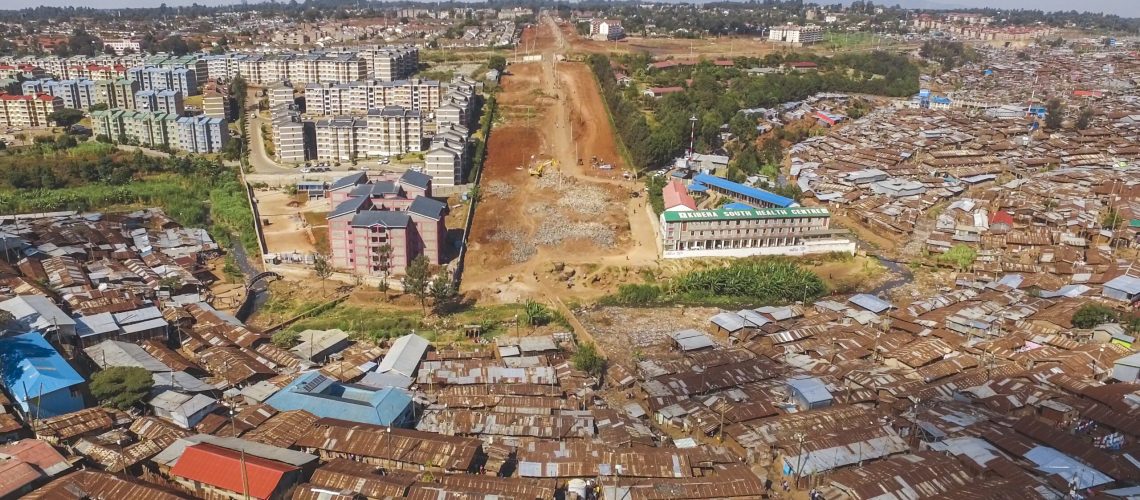
Africa is experiencing one of the fastest rates of urbanization in the world.
Every year, millions of people move from rural communities to cities in search of better opportunities, education, healthcare, and improved living standards. As cities continue to expand, family life is undergoing significant transformation. From housing and transportation to education and work-life balance, urban living presents both opportunities and challenges for African families.
The Growth of Urban Africa
Cities across the continent are growing at remarkable rates. Major urban centers such as Lagos, Nairobi, Accra, Johannesburg, and Kigali are attracting people from diverse backgrounds. These cities serve as economic hubs, offering employment opportunities and access to modern amenities that may not be available in rural areas.
As urban populations increase, families are adapting to new lifestyles that differ significantly from traditional community-based living.
Housing and Living Arrangements
One of the most noticeable changes in expanding cities is housing. Due to rising property prices and limited urban space, many families are choosing smaller homes, apartments, and gated communities.
Urban families often prioritize:
- Proximity to workplaces and schools
- Access to healthcare facilities
- Reliable transportation networks
- Security and safety
- Access to utilities such as electricity and internet
While urban housing can offer convenience, affordability remains a challenge for many households. Families often need to balance comfort with budget constraints as cities become more expensive.
Education Opportunities
One of the biggest advantages of city living is access to educational opportunities. Expanding cities often host a wide range of schools, colleges, vocational centers, and digital learning facilities.
Parents are increasingly investing in:
- Quality primary and secondary education
- Technology-based learning
- Skills development programs
- Extracurricular activities
The availability of diverse educational options allows children to develop skills that prepare them for an increasingly competitive global economy.
Balancing Work and Family Life
Urbanization has also changed family dynamics. In many African cities, both parents now participate in the workforce, creating new opportunities for financial stability but also introducing challenges related to time management.
Common concerns include:
- Long commuting hours
- Limited family time
- Childcare arrangements
- Managing household responsibilities
Many families are adopting flexible work schedules, remote work arrangements, and digital productivity tools to maintain a healthier balance between professional and personal life.
Technology’s Role in Modern Family Living
Technology has become central to family life in expanding African cities. Smartphones, internet connectivity, and digital services have transformed how families communicate, shop, learn, and access services.
Urban families increasingly use technology for:
- Online banking and payments
- E-learning platforms
- Healthcare consultations
- Grocery delivery services
- Transportation booking apps
These innovations save time and make daily life more convenient, especially in densely populated urban environments.
Community and Social Connections
One concern associated with urban growth is the potential decline of traditional community bonds. In rural areas, extended families and neighbors often play a major role in child-rearing and social support.
However, city residents are finding new ways to build communities through:
- Religious organizations
- Professional associations
- Parent groups
- Residential associations
- Social media communities
These networks help families maintain social connections and access support when needed.
Healthcare Access
Expanding cities generally offer better healthcare services compared to many rural regions. Families often benefit from:
- Specialized medical facilities
- Emergency care services
- Private healthcare options
- Preventive health programs
Improved access to healthcare contributes to better family well-being and increased life expectancy.
Challenges Facing Urban Families
Despite the advantages, urban living comes with several challenges:
Rising Cost of Living
Food, transportation, education, and housing expenses continue to increase in many African cities, placing pressure on household budgets.
Traffic Congestion
Lengthy commutes reduce family time and can contribute to stress and lower productivity.
Environmental Concerns
Air pollution, waste management issues, and limited green spaces can affect quality of life.
Housing Shortages
Rapid urban population growth often outpaces housing development, creating affordability and accessibility challenges.
Building Family-Friendly Cities
Governments, urban planners, and private organizations are increasingly focusing on creating family-friendly cities. Key priorities include:
- Affordable housing projects
- Improved public transportation
- Safe recreational spaces
- Better healthcare infrastructure
- Quality educational facilities
- Sustainable urban development
These initiatives can help ensure that growing cities remain livable and supportive of family life.
The Future of Family Living in African Cities
As urbanization continues, African families will remain at the center of the continent’s transformation. Technology, infrastructure improvements, and innovative urban planning will shape how future generations live, work, and interact.
Families that successfully adapt to changing urban environments can benefit from greater economic opportunities, improved services, and enhanced quality of life. While challenges remain, Africa’s expanding cities offer enormous potential for creating vibrant, connected, and prosperous communities where families can thrive.
Conclusion
Family living in Africa’s expanding cities reflects the broader story of the continent’s development. Urban centers provide access to opportunities, education, healthcare, and innovation, while also presenting challenges related to affordability, housing, and work-life balance. By embracing smart planning and community-focused development, African cities can continue to grow in ways that support strong, healthy, and resilient families for generations to come.
