

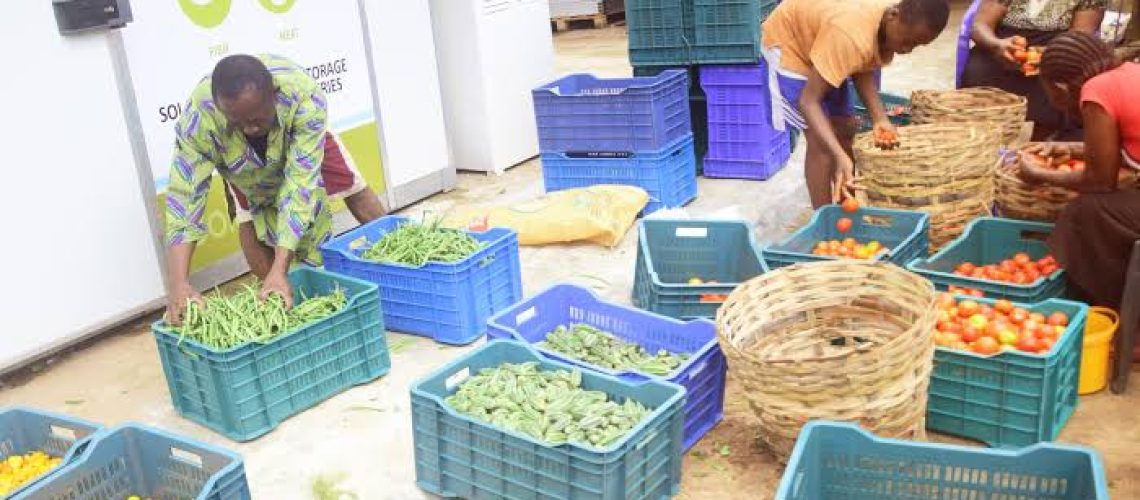
Across Africa, large households remain common, with extended family members often living together under one roof.
While this arrangement strengthens family bonds and support systems, it also creates challenges in managing food expenses and ensuring that everyone is fed adequately. Rising food prices, inflation, and economic uncertainty have made it increasingly important for families to adopt smarter food purchasing and storage strategies.
One of the most effective approaches is bulk food buying. When done correctly, bulk purchasing can reduce costs, minimize waste, and ensure a steady supply of essential food items. This article explores practical bulk food strategies that can help large African households save money while maintaining healthy and nutritious diets.
Why Bulk Buying Makes Sense
Bulk buying involves purchasing food items in larger quantities than usual. This strategy offers several benefits:
- Lower cost per unit of food
- Reduced frequency of shopping trips
- Better preparation for unexpected price increases
- Improved food security during shortages
- Easier meal planning
For large households that consume significant amounts of food daily, these advantages can lead to substantial savings over time.
Focus on Staple Foods
African households often rely on staple foods that can be purchased in large quantities and stored for extended periods. Examples include:
- Rice
- Maize
- Cassava flour
- Millet
- Sorghum
- Beans
- Yam flour
- Garri
- Wheat flour
Buying these staples in sacks or wholesale quantities often results in lower prices compared to purchasing smaller portions regularly.
Purchase During Harvest Seasons
Food prices tend to be lower during harvest periods when supply is abundant. Families can take advantage of seasonal price drops by purchasing and storing food items that have a long shelf life.
Examples include:
- Grains
- Legumes
- Dried peppers
- Onions
- Groundnuts
Planning purchases around agricultural seasons can significantly reduce annual food expenses.
Join Community Buying Groups
Many communities across Africa organize cooperative purchasing groups. These groups pool resources to buy directly from farmers, wholesalers, or distributors.
Benefits include:
- Access to wholesale prices
- Reduced transportation costs
- Better bargaining power
- Improved product quality
Even a small neighborhood buying group can generate considerable savings for participating families.
Invest in Proper Storage Solutions
Bulk buying only works when food can be stored safely. Poor storage practices can lead to spoilage, pest infestations, and financial losses.
Useful storage options include:
- Airtight containers
- Grain silos
- Metal drums
- Elevated storage shelves
- Moisture-resistant sacks
Households should keep food in cool, dry areas away from direct sunlight and pests.
Prioritize Non-Perishable Foods
Large families benefit most from bulk purchases of foods that can be stored for months without deterioration.
Examples include:
- Dried beans
- Rice
- Pasta
- Flour
- Dried fish
- Powdered milk
- Cooking oil
- Salt
These items form the foundation of many African meals and provide flexibility in meal preparation.
Preserve Seasonal Produce
When fruits and vegetables are plentiful and affordable, families can preserve them for future use.
Popular preservation methods include:
Drying
Suitable for:
- Tomatoes
- Okra
- Peppers
- Mangoes
Smoking
Commonly used for:
- Fish
- Meat
Freezing
Useful for:
- Vegetables
- Fruits
- Prepared meals
Food preservation helps households enjoy seasonal produce year-round while reducing waste.
Plan Meals Around Bulk Purchases
Effective meal planning ensures that bulk purchases are fully utilized.
A weekly meal schedule can help families:
- Avoid duplicate purchases
- Reduce food waste
- Control portion sizes
- Monitor inventory levels
Families should design meals around available staples while incorporating affordable proteins and vegetables.
Monitor Food Consumption
Understanding consumption patterns allows households to estimate future food needs more accurately.
Simple tracking methods include:
- Recording weekly usage of staple foods
- Monitoring family growth and household changes
- Keeping inventory lists
This information helps prevent overbuying or shortages.
Buy Protein Sources Strategically
Protein is often one of the most expensive parts of a household food budget. Large families can save money by purchasing affordable protein sources in bulk.
Options include:
- Beans
- Cowpeas
- Lentils
- Eggs
- Dried fish
- Groundnuts
- Soy products
Combining plant-based and animal-based proteins can improve nutrition while managing costs.
Reduce Food Waste
Food waste directly increases household expenses. Families can reduce waste through:
- Proper storage
- First-in, first-out inventory management
- Creative use of leftovers
- Portion control
Every kilogram of food saved contributes to overall household savings.
Leverage Local Markets
Many African open-air markets offer lower prices than supermarkets, particularly for bulk purchases. Establishing relationships with trusted vendors can also provide access to discounts and better-quality products.
Regular market visits allow families to compare prices and identify the best purchasing opportunities.
Create an Emergency Food Reserve
Unexpected events such as economic disruptions, weather-related challenges, or temporary income loss can affect food availability.
Maintaining a reserve of essential foods provides peace of mind and improves household resilience.
Recommended emergency staples include:
- Rice
- Beans
- Garri
- Cooking oil
- Salt
- Dried fish
- Powdered milk
A reserve capable of supporting the household for several weeks can be invaluable during difficult periods.
Conclusion
Bulk food purchasing remains one of the most practical and effective strategies for large African households seeking to manage expenses and improve food security. By focusing on staple foods, buying during harvest seasons, investing in proper storage, preserving seasonal produce, and planning meals carefully, families can significantly reduce their monthly food costs.
As food prices continue to fluctuate across the continent, adopting smart bulk-buying practices can help households maintain healthy diets, reduce waste, and build greater financial stability for the future.
