

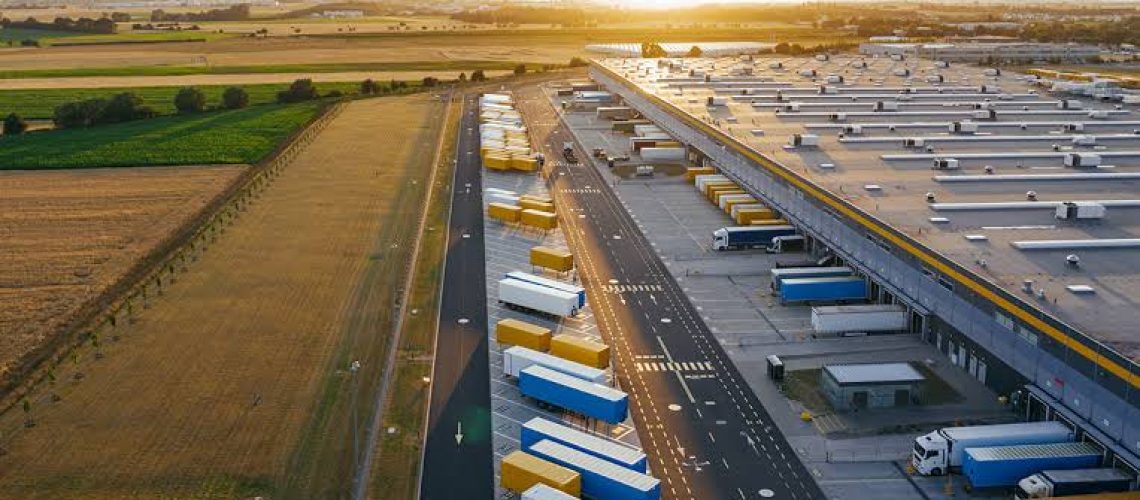
Logistics and Infrastructure Development: Building the Foundation for Economic Growth
Infrastructure and logistics are the backbone of every thriving economy. From highways and railways to ports, airports, and digital networks, efficient infrastructure enables the smooth movement of people, goods, and services. Across Africa and the rest of the world, investments in logistics and infrastructure development are transforming industries, creating jobs, and driving economic growth.
Understanding Logistics and Infrastructure
Infrastructure refers to the physical and organizational structures needed for a society and economy to function effectively. These include roads, bridges, power systems, rail networks, seaports, airports, and telecommunications facilities.
Logistics, on the other hand, involves the planning, transportation, storage, and delivery of goods from producers to consumers. Effective logistics systems depend heavily on reliable infrastructure to operate efficiently.
Together, logistics and infrastructure form a critical ecosystem that supports trade, manufacturing, agriculture, healthcare, and virtually every sector of the economy.
Why Infrastructure Matters
Infrastructure development plays a vital role in national and regional progress. Well-developed infrastructure:
- Reduces transportation costs
- Improves access to markets
- Attracts local and foreign investment
- Creates employment opportunities
- Enhances productivity across industries
- Supports urbanization and economic expansion
Countries with strong infrastructure networks often experience faster economic growth because businesses can move products more efficiently and connect with larger markets.
The Role of Logistics in Economic Development
Efficient logistics systems ensure that goods reach consumers quickly and cost-effectively. Whether it is agricultural produce moving from rural farms to urban markets or imported products arriving at retail stores, logistics keeps supply chains functioning.
Key logistics activities include:
- Transportation management
- Warehousing and storage
- Inventory control
- Supply chain coordination
- Freight forwarding
- Last-mile delivery
As e-commerce continues to expand across Africa, logistics companies are becoming increasingly important in connecting businesses with customers.
Infrastructure Development Across Africa
Many African countries are investing heavily in infrastructure to improve connectivity and support economic growth. Governments, private investors, and development institutions are funding projects such as:
Road Networks
Modern road systems help farmers, manufacturers, and traders transport goods more efficiently. Improved roads reduce travel times, lower vehicle operating costs, and increase access to remote communities.
Rail Transport
Railways provide cost-effective transportation for bulk goods such as minerals, agricultural products, and manufactured goods. Several African nations are modernizing rail systems to strengthen regional trade.
Ports and Maritime Infrastructure
Africa’s ports serve as gateways for international trade. Upgraded port facilities help reduce congestion, improve cargo handling, and increase trade volumes.
Airports and Aviation
Air transport plays an essential role in tourism, business travel, and the movement of high-value goods. Airport expansion projects are helping African countries strengthen connections with global markets.
Digital Infrastructure
Modern economies increasingly rely on digital connectivity. Investments in broadband networks, fiber-optic cables, and mobile communications are enabling businesses to operate more efficiently and access new opportunities.
Challenges Facing Logistics and Infrastructure Development
Despite significant progress, several challenges remain:
Funding Constraints
Large-scale infrastructure projects require substantial financial resources. Many developing economies face difficulties securing adequate funding.
Maintenance Issues
Building infrastructure is only part of the solution. Regular maintenance is necessary to ensure roads, bridges, and transport systems remain functional over the long term.
Urban Congestion
Rapid urbanization has increased pressure on transportation networks, resulting in traffic congestion and reduced efficiency in many cities.
Regulatory Barriers
Complex regulations and border procedures can slow trade and increase logistics costs, particularly for businesses engaged in cross-border commerce.
Technological Gaps
Some logistics operators still rely on manual systems that limit efficiency and visibility throughout supply chains.
Emerging Trends in Logistics
Technology is reshaping logistics operations worldwide. Some key trends include:
Smart Logistics
Companies are using data analytics, GPS tracking, and automation to optimize routes and improve delivery performance.
E-Commerce Logistics
The growth of online shopping has increased demand for warehousing, fulfillment centers, and last-mile delivery services.
Green Transportation
Businesses and governments are exploring environmentally friendly transportation options, including electric vehicles and sustainable supply chain practices.
Integrated Supply Chains
Organizations are increasingly adopting digital platforms that connect suppliers, transport providers, warehouses, and customers in real time.
Benefits for Businesses and Communities
Investments in logistics and infrastructure create benefits that extend beyond economic growth. Communities gain improved access to healthcare, education, and employment opportunities. Businesses benefit from reduced costs, increased competitiveness, and expanded market access.
For small and medium-sized enterprises, better infrastructure can open doors to regional and international markets that were previously difficult to reach.
The Future of Logistics and Infrastructure in Africa
Africa’s growing population, expanding middle class, and increasing urbanization will continue to drive demand for modern infrastructure and efficient logistics systems. Regional integration initiatives and trade agreements are also encouraging investments that improve connectivity across borders.
As governments and private-sector stakeholders work together to address infrastructure gaps, the continent has an opportunity to strengthen supply chains, boost trade, and accelerate sustainable economic development.
Conclusion
Logistics and infrastructure development are essential pillars of economic transformation. Reliable transportation networks, modern ports, efficient supply chains, and digital connectivity create the conditions necessary for businesses and communities to thrive. As Africa continues to invest in these critical sectors, improved logistics and infrastructure will play a central role in unlocking new opportunities, fostering innovation, and supporting long-term prosperity across the continent.
