

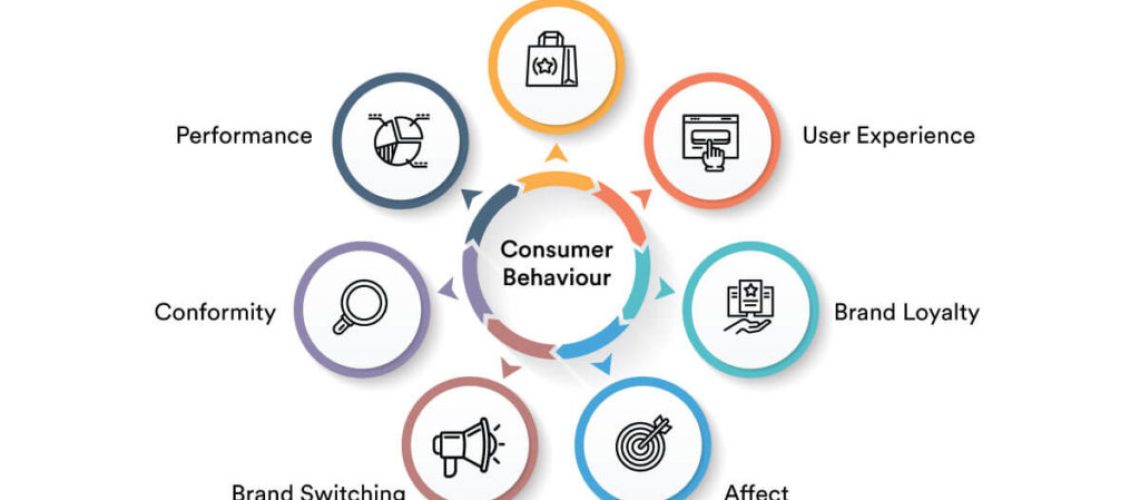
Every day, millions of buying decisions are made across Africa’s markets, supermarkets, shopping malls, roadside stalls, and online stores.
From a customer bargaining for fresh vegetables in a local market to someone ordering electronics through an e-commerce platform, each purchase is influenced by a variety of factors. Understanding consumer behavior helps businesses, entrepreneurs, marketers, and even shoppers make better decisions.
Consumer behavior refers to the study of how individuals, groups, or organizations choose, purchase, use, and dispose of goods and services. It explores the motivations, preferences, emotions, and economic conditions that influence buying decisions.
As Africa’s economy continues to grow and technology transforms the shopping experience, understanding consumer behavior has become more important than ever.
What Is Consumer Behavior?
Consumer behavior is the process people go through before, during, and after purchasing products or services. It includes:
- Recognizing a need
- Searching for information
- Comparing available options
- Making a purchase
- Evaluating satisfaction after buying
For businesses, understanding this journey helps improve products, pricing, customer service, and marketing strategies.
Why Consumer Behavior Matters
Businesses that understand their customers are more likely to succeed because they can:
- Create products people actually need.
- Improve customer satisfaction.
- Build brand loyalty.
- Increase sales and profits.
- Predict future buying trends.
- Respond quickly to changing market conditions.
Customers also benefit by becoming more aware of how advertising, pricing, and emotions influence their purchasing decisions.
Factors That Influence Consumer Behavior
1. Price
Price remains one of the strongest influences, especially in many African markets where consumers carefully manage household budgets.
Many shoppers:
- Compare prices between sellers.
- Wait for discounts.
- Buy in bulk to save money.
- Choose affordable alternatives.
During periods of inflation, consumers often prioritize essential goods over luxury items.
2. Income Level
Income determines purchasing power.
Consumers with higher incomes may focus on:
- Premium brands
- Convenience
- Product quality
Consumers with lower incomes often prioritize:
- Affordability
- Durability
- Value for money
Businesses that understand different income groups can tailor products accordingly.
3. Culture and Tradition
Culture strongly shapes buying habits across Africa.
Examples include:
- Traditional clothing purchased during festivals and ceremonies.
- Specific foods prepared during holidays.
- Gifts exchanged during weddings and family celebrations.
- Local crafts purchased to preserve cultural heritage.
Businesses that respect cultural traditions often connect more effectively with local communities.
4. Family Influence
Family members often influence purchasing decisions.
Parents decide on:
- Groceries
- School supplies
- Household goods
Children may influence purchases such as:
- Snacks
- Toys
- Clothing
- Entertainment
In many African households, major purchases involve consultation among family members.
5. Personal Preferences
Every consumer has unique tastes based on:
- Age
- Gender
- Lifestyle
- Occupation
- Education
- Hobbies
A university student may prioritize affordable technology, while a professional might value premium quality and convenience.
6. Advertising and Marketing
Advertising helps consumers discover products and compare available options.
Effective marketing can influence buying decisions through:
- Television commercials
- Radio advertisements
- Social media
- Billboards
- Influencer recommendations
- Online reviews
However, consumers should always verify product claims before making expensive purchases.
7. Convenience
Busy lifestyles make convenience increasingly important.
Consumers often choose businesses that offer:
- Quick service
- Easy payment options
- Home delivery
- Flexible return policies
- Multiple payment methods
This explains the rapid growth of online shopping and delivery services across Africa.
The Consumer Buying Process
Step 1: Need Recognition
The customer realizes a need.
Examples:
- Running out of cooking oil.
- Needing new school shoes.
- Replacing a broken phone.
Step 2: Information Search
The consumer gathers information by:
- Asking friends
- Reading online reviews
- Comparing prices
- Visiting different stores
Step 3: Evaluating Alternatives
Consumers compare products based on:
- Price
- Quality
- Features
- Brand reputation
- Warranty
- Customer reviews
Step 4: Purchase Decision
After comparing options, the consumer decides where and when to buy.
Factors like discounts, availability, and customer service can influence this final decision.
Step 5: Post-Purchase Evaluation
After using the product, consumers decide whether they are satisfied.
Satisfied customers often:
- Buy again
- Recommend the product
- Leave positive reviews
Unsatisfied customers may:
- Request refunds
- Leave negative feedback
- Switch to competitors
Consumer Behavior in African Markets
Consumer behavior across Africa continues to evolve due to several trends.
Growing Digital Shopping
Online marketplaces and social commerce have made it easier for consumers to compare prices, read reviews, and shop from home.
Mobile Payments
Digital wallets and mobile money have simplified transactions, especially in areas with limited access to traditional banking.
Young Population
Africa’s youthful population is highly connected through smartphones and social media, making digital marketing increasingly influential.
Support for Local Products
Many consumers actively seek locally produced goods to support domestic businesses while enjoying products that reflect local tastes and traditions.
Common Buying Motivations
People buy products for different reasons, including:
- Solving a problem
- Saving time
- Improving comfort
- Showing social status
- Celebrating important occasions
- Supporting local businesses
- Seeking better quality
- Saving money
Understanding these motivations helps businesses create products that genuinely meet customer needs.
How Businesses Can Better Understand Consumers
Successful businesses often:
- Conduct customer surveys.
- Listen to customer feedback.
- Analyze sales trends.
- Observe shopping habits.
- Study competitors.
- Improve customer service.
- Adapt products to local preferences.
The more businesses understand their customers, the better they can meet changing demands.
Tips for Consumers
Consumers can make smarter purchasing decisions by:
- Planning purchases before shopping.
- Comparing prices from multiple sellers.
- Reading reviews for online purchases.
- Checking product quality carefully.
- Avoiding impulse buying.
- Keeping receipts and warranties.
- Buying from trusted retailers.
- Setting a realistic budget.
These habits can help reduce unnecessary spending and improve overall financial well-being.
The Future of Consumer Behavior in Africa
Consumer behavior is expected to continue changing as technology, urbanization, and economic development reshape African markets. Artificial intelligence, personalized marketing, cashless payments, and faster delivery services are likely to influence how people shop. At the same time, consumers are becoming more conscious of product quality, sustainability, and the value they receive for their money.
Businesses that stay responsive to these changing expectations will be better positioned to build lasting customer relationships and remain competitive.
Conclusion
Understanding consumer behavior is essential for both businesses and shoppers. Buying decisions are influenced by factors such as price, income, culture, family, convenience, and personal preferences. By recognizing these influences, businesses can offer products and services that better meet customer needs, while consumers can make more informed and cost-effective purchasing choices.
In Africa’s rapidly evolving marketplace, success depends on understanding not just what people buy, but why they buy it. Businesses that pay attention to customer needs, embrace innovation, and deliver consistent value will be well placed to thrive in the years ahead.
