

As African cities continue to expand at an unprecedented pace, the challenge of feeding growing urban populations has become more urgent than ever.
Rising food prices, limited access to fresh produce, and increasing unemployment have encouraged many city residents to explore new ways of producing food closer to home. One solution that has gained remarkable momentum is urban farming.
Urban farming refers to the cultivation of crops and the raising of livestock within or around cities. Across Africa, people are transforming vacant plots, rooftops, balconies, backyards, school compounds, and community spaces into productive farms. What was once viewed as a rural activity has become an important part of urban life, offering economic, social, and environmental benefits.
What Is Urban Farming?
Urban farming, also known as urban agriculture, involves growing vegetables, fruits, herbs, and other crops or raising animals such as chickens, rabbits, fish, and goats within city environments. Unlike traditional farming, urban agriculture makes efficient use of limited land through innovative methods such as:
- Container gardening
- Vertical farming
- Rooftop gardens
- Hydroponics
- Aquaponics
- Community gardens
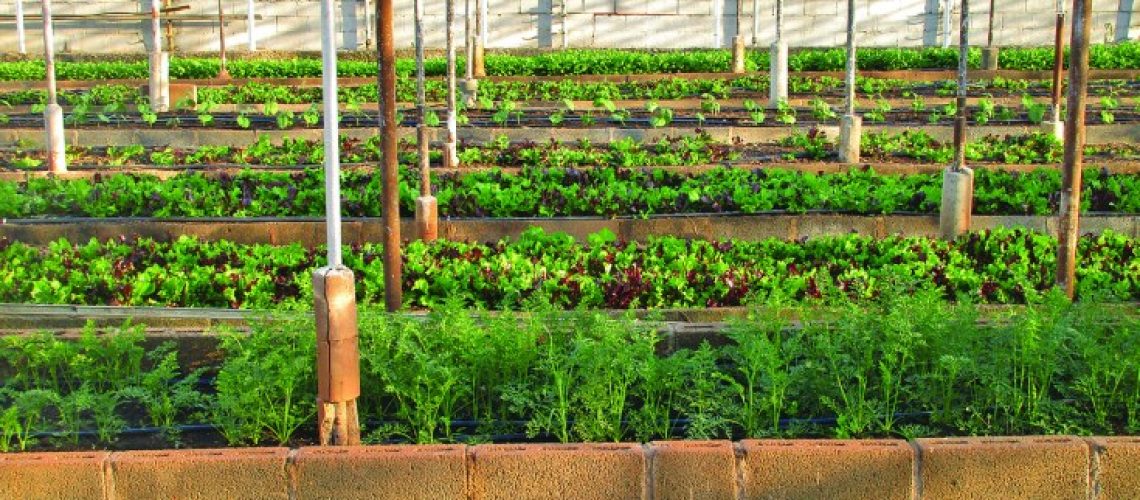
- Greenhouse farming
These methods allow residents to grow food even in densely populated neighborhoods where land is scarce.
Why Urban Farming Is Growing in African Cities
Several factors have contributed to the increasing popularity of urban farming across the continent.
Rising Food Prices
Inflation and disruptions in food supply chains have made fresh produce more expensive. Many families now grow vegetables at home to reduce grocery expenses while ensuring a steady supply of nutritious food.
Rapid Urbanization
Africa has some of the world’s fastest-growing cities. As millions migrate to urban centers each year, demand for food continues to rise. Urban farming helps bridge the gap between food production and consumption.
Youth Employment
Many young Africans are discovering agriculture as a business opportunity. Urban farming allows entrepreneurs to start small businesses with relatively low capital while serving nearby markets.
Environmental Awareness
Growing concern about climate change and sustainable living has encouraged residents to adopt greener lifestyles. Urban gardens contribute to cleaner cities and improved environmental health.
Popular Urban Farming Practices
Rooftop Gardens
Buildings with flat roofs provide valuable growing space. Residents cultivate vegetables, herbs, and flowers using containers and raised beds.
Vertical Farming
Vertical farming maximizes small spaces by growing crops on stacked shelves or wall-mounted structures. This approach is particularly useful where land is expensive.
Sack Gardening
Common in several African cities, sack gardening involves filling large sacks with soil and planting vegetables through holes on the sides. It requires very little space and produces surprisingly high yields.
Hydroponics
Hydroponic systems grow plants without soil by supplying nutrients directly through water. Although the initial investment may be higher, hydroponics conserves water and increases productivity.
Community Gardens
Neighborhoods often convert unused public spaces into shared gardens where residents grow food together, share knowledge, and strengthen community relationships.
Crops Commonly Grown in African Cities
Urban farmers typically focus on crops that mature quickly and require limited space.
Popular crops include:
- Tomatoes
- Spinach
- Lettuce
- Amaranth
- Pepper
- Onions
- Okra
- Cucumber
- Herbs
- Carrots
- Green beans
- Cabbage
Some urban farmers also produce mushrooms because they require little land and generate attractive profits.
Livestock in Urban Farming
Urban agriculture extends beyond crops. Many households raise small livestock, including:
- Chickens for eggs and meat
- Rabbits
- Quail
- Fish through aquaculture
- Snails
- Goats in suitable locations
When managed responsibly, these activities provide additional income and improve household nutrition.
Economic Benefits
Urban farming creates numerous financial opportunities.
Additional Household Income
Families can sell surplus vegetables, eggs, herbs, or seedlings at local markets or directly to neighbors.
Lower Food Expenses
Growing food at home significantly reduces spending on groceries, especially during periods of inflation.
Business Opportunities
Entrepreneurs can establish businesses specializing in:
- Seedling production
- Organic fertilizers
- Irrigation equipment
- Compost production
- Greenhouse installation
- Farm consulting
- Vegetable delivery services
These businesses create jobs while supporting local food systems.
Environmental Benefits
Urban farming contributes to healthier cities in several ways.
Greener Urban Spaces
Gardens replace abandoned or unused land with productive green areas that improve the appearance of neighborhoods.
Improved Air Quality
Plants absorb carbon dioxide and release oxygen, helping improve urban air quality.
Reduced Food Transportation
Locally grown produce travels shorter distances from farm to consumer, reducing transportation costs and greenhouse gas emissions.
Waste Recycling
Kitchen scraps can be converted into compost, reducing the amount of waste sent to landfills while improving soil fertility.
Social Benefits
Urban farming strengthens communities beyond food production.
Food Security
Families become less dependent on distant food suppliers and are better prepared during economic or supply chain disruptions.
Better Nutrition
Fresh vegetables harvested directly from gardens retain more nutrients and encourage healthier eating habits.
Community Development
Shared gardens bring neighbors together, promote cooperation, and provide opportunities for learning and social interaction.
Educational Opportunities
Schools increasingly use gardens to teach students about agriculture, science, nutrition, and environmental conservation.
Challenges Facing Urban Farming
Despite its advantages, urban farming faces several obstacles.
Limited Land
Rapid urban development leaves little space for agriculture, making land access one of the biggest challenges.
Water Scarcity
Reliable water supplies are often limited, particularly during dry seasons.
Pollution
Growing crops near busy roads or industrial areas may expose plants to contaminants, making careful site selection essential.
Limited Financing
Many aspiring urban farmers struggle to obtain loans or investment for equipment and expansion.
Policy Restrictions
In some cities, unclear regulations limit livestock keeping or the use of public land for farming.
Technology Is Transforming Urban Agriculture
Modern technology is making urban farming more productive and efficient.
Farmers increasingly use:
- Drip irrigation systems
- Solar-powered water pumps
- Mobile applications for farm management
- Weather forecasting tools
- Smart irrigation sensors
- Digital marketplaces connecting farmers directly with consumers
These innovations improve productivity while reducing operating costs.
The Future of Urban Farming in Africa
Urban farming is expected to play an increasingly important role as African cities continue to grow. Governments, private investors, educational institutions, and non-governmental organizations are beginning to recognize its potential to strengthen food security, create employment, and promote environmental sustainability.
Future developments may include larger rooftop farms, commercial vertical farming facilities, expanded hydroponic production, and stronger integration of agriculture into urban planning. Cities that embrace these innovations will be better positioned to meet the food needs of their growing populations while creating greener and more resilient communities.
Conclusion
Urban farming has evolved from a necessity into a practical solution for many of Africa’s modern urban challenges. By transforming limited spaces into productive farms, city residents can improve food security, reduce household expenses, create businesses, and contribute to healthier environments.
As technology advances and awareness continues to grow, urban agriculture is likely to become an increasingly important feature of African cities. With supportive policies, investment, and community participation, urban farming can help build sustainable cities where fresh food is more accessible, local economies are stronger, and communities thrive.
