

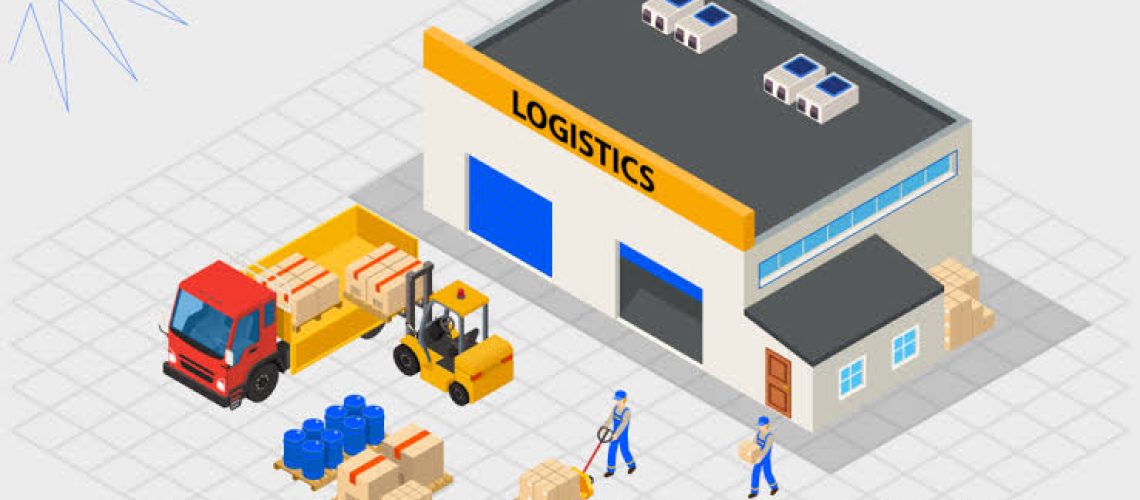
Logistics and Cross-Border Commerce: Powering Africa’s Economic Future.
Logistics and cross-border commerce are becoming powerful drivers of economic growth across Africa. As the continent experiences rapid urbanization, increasing internet access, and stronger regional partnerships, the movement of goods between countries is expanding at an unprecedented pace. Businesses of all sizes, from local manufacturers to multinational companies, are discovering new opportunities by serving customers beyond their national borders.
However, efficient cross-border trade depends on more than demand. It requires reliable transportation, modern infrastructure, streamlined customs procedures, digital technology, and strong collaboration among governments and private businesses. As Africa continues to strengthen regional integration, improvements in logistics are unlocking new possibilities for trade, investment, and job creation.
This article explores the importance of logistics in cross-border commerce, the challenges businesses face, emerging trends, and practical strategies for success.
Understanding Cross-Border Commerce
Cross-border commerce refers to the buying and selling of goods or services between businesses or consumers located in different countries. In Africa, this includes trade among neighboring nations as well as exports to global markets.
Examples include:
- A Kenyan coffee producer exporting beans to Ghana.
- A Nigerian fashion brand selling clothing to customers in South Africa.
- A Rwandan technology company supplying software services across East Africa.
- Agricultural products moving from Zambia to the Democratic Republic of Congo.
The growth of digital marketplaces and mobile payments has made international trade more accessible than ever before.
The Importance of Logistics
Logistics involves planning, transporting, storing, and delivering products efficiently from producers to consumers. Strong logistics systems reduce costs, improve delivery times, and increase customer satisfaction.
Key logistics functions include:
- Transportation management
- Warehousing
- Inventory control
- Freight forwarding
- Customs clearance
- Packaging
- Last-mile delivery
- Supply chain coordination
Efficient logistics helps businesses compete in both regional and international markets.
Why Cross-Border Commerce Matters for Africa
1. Expands Market Opportunities
Businesses gain access to millions of additional customers beyond their domestic markets.
Small and medium-sized enterprises (SMEs) particularly benefit from regional expansion.
2. Increases Economic Growth
Trade stimulates manufacturing, agriculture, transportation, finance, and technology sectors.
Greater commercial activity contributes to higher national income and employment.
3. Creates Jobs
Cross-border commerce supports employment in:
- Transport
- Warehousing
- Customs services
- Manufacturing
- Retail
- Digital commerce
- Financial services
Thousands of entrepreneurs also benefit through import and export activities.
4. Encourages Industrial Development
Manufacturers can source raw materials more efficiently while selling finished products across multiple markets.
This promotes industrialization throughout Africa.
Major Logistics Networks Across Africa
Several transport systems facilitate regional trade.
Road Transport
Road transport remains the backbone of African commerce, moving goods between neighboring countries.
Many regional trade corridors connect ports with inland nations.
Rail Networks
Modern rail investments are improving cargo transportation by reducing costs and transit times.
Rail is particularly valuable for:
- Mining
- Agriculture
- Heavy manufacturing
Air Cargo
Air freight supports high-value and time-sensitive products such as:
- Pharmaceuticals
- Flowers
- Electronics
- Fresh produce
Maritime Shipping
Africa’s ports connect the continent with global markets while enabling coastal trade.
Modern port upgrades continue improving cargo efficiency.
The Role of Technology
Technology is transforming logistics across Africa.
Digital Freight Platforms
Businesses can now compare shipping prices, book transport, and monitor deliveries online.
GPS Tracking
Real-time vehicle tracking improves shipment visibility while reducing theft and delays.
Warehouse Automation
Modern inventory systems reduce errors and improve operational efficiency.
Mobile Payments
Secure digital payment systems simplify transactions between buyers and sellers across borders.
Artificial Intelligence
AI helps companies forecast demand, optimize delivery routes, and improve supply chain planning.
Challenges Facing Cross-Border Logistics
Despite significant progress, several obstacles remain.
Infrastructure Gaps
Some regions continue to experience:
- Poor road conditions
- Limited rail connectivity
- Congested ports
- Inadequate storage facilities
These issues increase transportation costs.
Customs Delays
Lengthy border inspections and inconsistent documentation requirements can slow deliveries.
Simplified customs procedures remain a priority.
Regulatory Differences
Different countries often maintain varying:
- Import regulations
- Product standards
- Tax systems
- Licensing requirements
Businesses must understand local regulations before expanding.
High Transport Costs
Fuel prices, road tolls, insurance, and inefficient transport systems contribute to higher logistics expenses.
Security Risks
Cargo theft, border insecurity, and fraud remain concerns in certain trade corridors.
Improved monitoring technologies are helping reduce these risks.
The Rise of E-Commerce
Online shopping has significantly increased cross-border trade opportunities.
Consumers increasingly purchase products from businesses located in other African countries.
E-commerce growth has created demand for:
- Faster delivery
- Better warehousing
- Digital payment systems
- Parcel tracking
- Cross-border fulfillment centers
Many startups now specialize in logistics solutions designed specifically for online retailers.
The Importance of Regional Trade Agreements
Regional cooperation is simplifying commerce throughout Africa.
Trade agreements help by:
- Reducing tariffs
- Simplifying customs procedures
- Encouraging investment
- Harmonizing regulations
- Supporting infrastructure development
These initiatives make it easier for businesses to expand into neighboring markets.
Sustainable Logistics
Environmental sustainability is becoming an important consideration.
Businesses are adopting:
- Fuel-efficient vehicles
- Electric delivery fleets
- Route optimization software
- Recyclable packaging
- Solar-powered warehouses
These initiatives reduce emissions while lowering operating costs over time.
Opportunities for Entrepreneurs
Growing logistics demand creates opportunities in numerous industries.
Potential business ideas include:
- Freight brokerage
- Courier services
- Warehousing
- Cold-chain logistics
- Customs consulting
- Packaging solutions
- Delivery technology
- Fleet management software
- Cross-border payment services
Entrepreneurs who solve supply chain challenges often find scalable business opportunities.
Tips for Businesses Expanding Across Borders
Companies planning regional expansion should:
- Research target markets thoroughly.
- Understand customs regulations.
- Build relationships with reliable logistics partners.
- Invest in inventory management systems.
- Use shipment tracking technologies.
- Purchase appropriate cargo insurance.
- Prepare accurate documentation.
- Monitor transportation costs regularly.
- Stay informed about regional trade policies.
Strong planning reduces operational risks and improves customer satisfaction.
The Future of Logistics in Africa
Africa’s logistics industry is expected to continue evolving rapidly.
Several trends will shape the future:
- Smart ports
- Digital customs systems
- Integrated regional transport corridors
- Drone deliveries in remote locations
- Artificial intelligence for supply chain management
- Greater investment in infrastructure
- Expansion of cross-border e-commerce
- Green logistics initiatives
As governments and private investors continue improving infrastructure and digital connectivity, businesses will enjoy faster, more reliable access to regional and global markets.
Conclusion
Logistics and cross-border commerce are transforming Africa into a more connected and competitive economic region. Efficient transportation networks, digital innovation, improved customs procedures, and stronger regional cooperation are enabling businesses to reach new customers while creating jobs and supporting sustainable economic growth.
Although challenges such as infrastructure gaps and regulatory differences remain, ongoing investments and technological advancements are steadily improving the movement of goods across the continent. Businesses that embrace modern logistics practices, understand regional markets, and invest in supply chain efficiency will be well positioned to succeed in Africa’s expanding cross-border economy.
As trade barriers continue to decline and logistics capabilities improve, cross-border commerce will play an increasingly important role in shaping Africa’s future prosperity.
