

Travel Photography Destinations in Africa: Capturing the Continent’s Most Stunning Landscapes.
Africa is a dream destination for photographers. Home to breathtaking landscapes, diverse wildlife, ancient cultures, colorful festivals, and vibrant cities, the continent offers endless opportunities to capture unforgettable moments. Whether you’re a professional photographer or a traveler with a smartphone, Africa presents scenes that are both dramatic and inspiring.
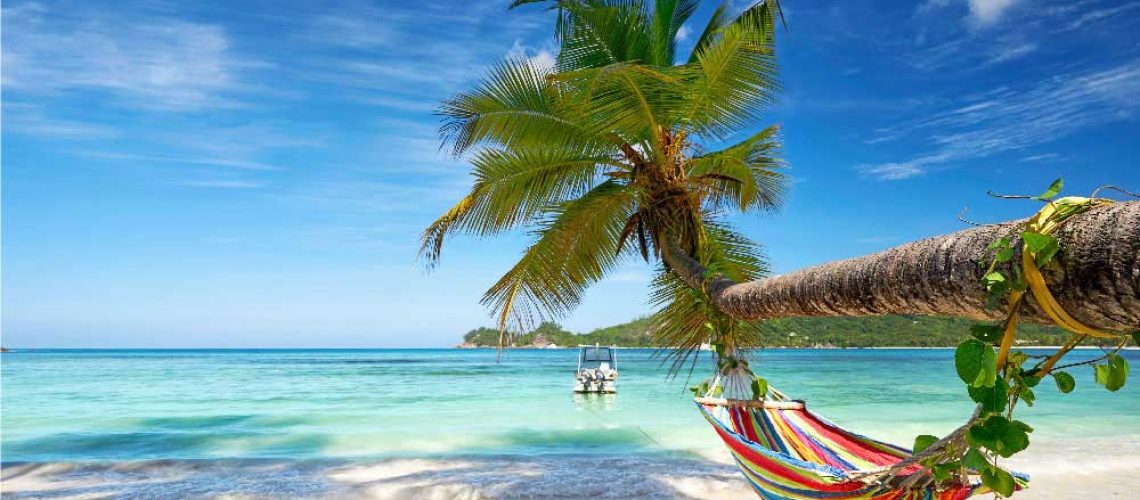
From the golden dunes of Namibia to the turquoise beaches of Zanzibar and the majestic wildlife of Kenya, every destination tells a unique visual story.
Here are some of the best travel photography destinations across Africa that deserve a place on every photographer’s bucket list.
Why Africa Is Perfect for Travel Photography
Africa’s diversity is unmatched. Within a single journey, travelers can photograph:
- Wildlife in their natural habitat
- Mountain landscapes
- Tropical beaches
- Ancient architecture
- Traditional villages
- Modern skylines
- Waterfalls
- Deserts
- Rainforests
- Colorful local markets
Each region offers unique lighting, seasons, and cultural experiences that make every photograph memorable.
1. Maasai Mara, Kenya
One of Africa’s most iconic photography destinations is Kenya’s Maasai Mara.
Photographers flock here for:
- The Great Migration
- Lions and cheetahs
- Elephants
- African sunsets
- Hot air balloons
- Maasai cultural experiences
The golden grasslands provide perfect natural lighting, especially during sunrise and sunset.
Best Time to Visit:
July to October
2. Serengeti National Park, Tanzania
The Serengeti offers one of the greatest wildlife photography experiences in the world.
Popular photography subjects include:
- Wildebeest migration
- Leopards
- Lions
- Zebras
- Giraffes
- Acacia tree landscapes
Morning game drives often provide the best lighting conditions.
3. Victoria Falls (Zambia and Zimbabwe)
Known as one of the world’s largest waterfalls, Victoria Falls creates spectacular photography opportunities.
Capture:
- Massive waterfalls
- Rainbows
- Mist formations
- Helicopter aerial views
- Sunset reflections
- Adventure activities
A waterproof camera cover is recommended because of the heavy spray.
4. Sossusvlei, Namibia
Few landscapes are as visually striking as Namibia’s red sand dunes.
Photographers love:
- Giant orange dunes
- Dead trees at Deadvlei
- Clear blue skies
- Long shadows
- Minimalist landscapes
Sunrise produces dramatic contrast between light and shadow.
5. Cape Town, South Africa
Cape Town combines nature, architecture, and coastal beauty in one city.
Top photography spots include:
- Table Mountain
- Camps Bay Beach
- Bo-Kaap’s colorful houses
- Cape Point
- Boulders Beach penguins
- Signal Hill sunsets
Street photography is also excellent throughout the city.
6. Marrakech, Morocco
Marrakech is full of vibrant colors and textures.
Photographers enjoy capturing:
- Traditional markets
- Historic palaces
- Decorative doors
- Street food
- Local artisans
- Rooftop city views
Early mornings offer fewer crowds.
7. Zanzibar, Tanzania
Zanzibar is famous for crystal-clear waters and historic architecture.
Photography highlights include:
- Stone Town
- White sand beaches
- Traditional dhow boats
- Coral reefs
- Sunset silhouettes
- Spice farms
Drone photography here can produce breathtaking results where permitted.
8. Bwindi Impenetrable Forest, Uganda
One of Africa’s most unique photography experiences is gorilla trekking.
Photographers can capture:
- Mountain gorillas
- Dense rainforest
- Misty forests
- Rare bird species
- Local communities
Low-light camera equipment is useful because of the forest canopy.
9. Okavango Delta, Botswana
The Okavango Delta is one of Africa’s richest wildlife ecosystems.
Ideal photography subjects include:
- Canoe safaris
- Hippos
- Crocodiles
- Birds
- Elephants
- Water reflections
The flood season transforms the landscape into a photographer’s paradise.
10. Chefchaouen, Morocco
Known as the Blue City, Chefchaouen is among Africa’s most photogenic towns.
Every corner features:
- Blue-painted streets
- Decorative staircases
- Mountain backdrops
- Local crafts
- Quiet alleyways
It is especially popular among travel influencers.
11. Volcanoes National Park, Rwanda
This lush mountain region is famous for gorilla trekking and volcanic scenery.
Photographers can capture:
- Mist-covered mountains
- Rare mountain gorillas
- Dense bamboo forests
- Traditional villages
- Beautiful hiking trails
Morning light often creates magical scenes.
12. Bazaruto Archipelago, Mozambique
For tropical photography, few places compare with Mozambique’s Bazaruto Islands.
Expect to photograph:
- White sand beaches
- Turquoise waters
- Sand dunes
- Marine wildlife
- Luxury resorts
- Traditional fishing boats
The clear waters are ideal for underwater photography.
13. Lake Retba (Pink Lake), Senegal
Depending on weather and salt concentration, Lake Retba displays striking pink hues.
Photographers enjoy:
- Salt harvesting
- Pink water
- Canoes
- Reflections
- Local workers
- Sunset colors
The lake offers a truly unique visual experience.
14. Simien Mountains, Ethiopia
Adventure photographers will appreciate Ethiopia’s rugged mountain landscapes.
Highlights include:
- Deep valleys
- Cliffside viewpoints
- Gelada baboons
- Hiking trails
- Traditional villages
- Dramatic cloud formations
The scenery changes beautifully throughout the day.
15. Pyramids of Giza, Egypt
No African photography journey is complete without visiting the legendary pyramids.
Capture:
- Ancient pyramids
- The Great Sphinx
- Camel caravans
- Desert landscapes
- Sunrise silhouettes
- Night photography
Visiting early helps avoid large crowds.
Essential Travel Photography Tips
To make the most of your African photography adventure:
- Shoot during the golden hour for softer light.
- Respect local customs and ask permission before photographing people.
- Carry extra memory cards and batteries.
- Protect your equipment from dust, rain, and heat.
- Use a zoom lens for wildlife to maintain a safe distance.
- Keep your camera accessible to capture spontaneous moments.
- Learn basic composition techniques such as the rule of thirds and leading lines.
- Research weather conditions before traveling.
Best Camera Gear for African Travel
While great photos can be taken with a smartphone, photographers may benefit from carrying:
- DSLR or mirrorless camera
- Wide-angle lens
- Telephoto lens
- Lightweight tripod
- Polarizing filter
- Extra batteries
- Waterproof backpack
- Lens cleaning kit
- Portable power bank
Remember that the best camera is the one you are comfortable using.
Responsible Photography While Traveling
Ethical photography helps preserve Africa’s people, wildlife, and heritage.
Always:
- Respect wildlife by keeping a safe distance.
- Follow park regulations.
- Avoid disturbing animals for better shots.
- Ask permission before photographing individuals.
- Support local guides and businesses.
- Leave natural environments exactly as you found them.
Responsible travel ensures these incredible destinations remain beautiful for future generations.
Conclusion
Africa is one of the world’s richest destinations for travel photography. Its incredible variety of landscapes, wildlife, cultures, and historic landmarks offers endless inspiration for photographers of every skill level. Whether you’re capturing lions roaming the savannah, colorful streets in Morocco, dramatic waterfalls, or peaceful island sunsets, every destination tells a powerful story.
With thoughtful planning, respect for local communities, and a spirit of adventure, your journey across Africa can produce not only stunning photographs but also unforgettable memories that last a lifetime.
