

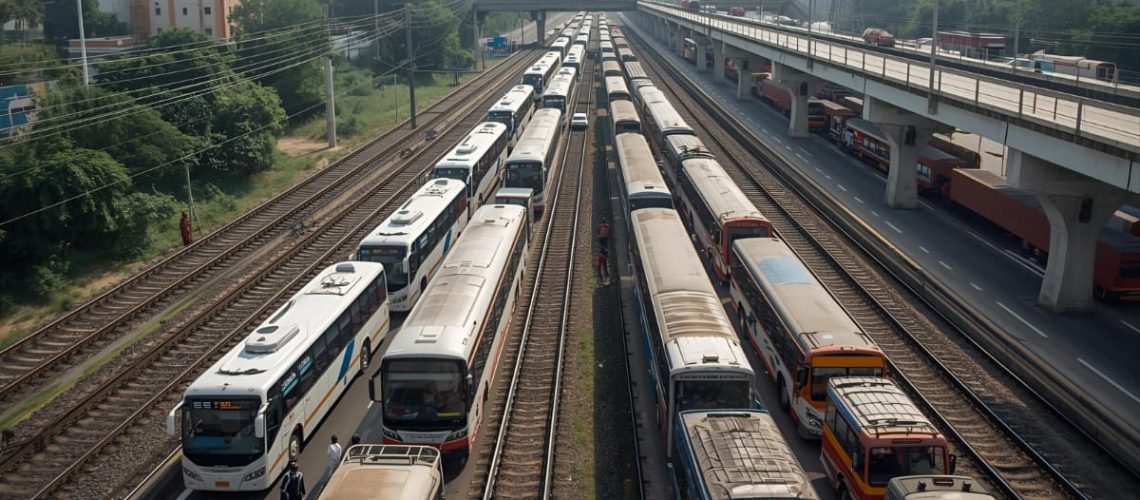
Transportation is the backbone of economic development. It connects people to jobs, businesses to markets, students to schools, and communities to essential services.
As Africa’s population continues to grow and urbanization accelerates, the demand for efficient, affordable, and sustainable transport systems has never been greater. Across the continent, governments, private investors, and technology companies are embracing smart transportation solutions to address long-standing infrastructure challenges. From intelligent traffic management systems to electric buses and modern railway networks, African countries are investing in projects that improve mobility while supporting environmental sustainability.
This transformation is helping reshape cities, boost regional trade, and improve the quality of life for millions of people.
What Is Smart Transportation?
Smart transportation refers to the use of technology, data, automation, and innovative infrastructure to improve the movement of people and goods.
These systems often include:
- Intelligent traffic management
- Smart traffic signals
- Digital ticketing systems
- Electric public transportation
- Integrated transport networks
- GPS-enabled fleet management
- Mobile transport applications
- Smart parking solutions
- High-speed rail and metro systems
- Data-driven transportation planning
Rather than simply building more roads, smart transportation focuses on making existing infrastructure more efficient.
Why Africa Needs Smart Transportation
Many African cities face common transportation challenges, including:
- Heavy traffic congestion
- Limited public transportation
- Poor road maintenance
- High transportation costs
- Rapid urban population growth
- Air pollution
- Road accidents
- Informal transport systems
Smart transportation projects provide practical solutions that improve efficiency while reducing costs and environmental impacts.
Major Smart Transportation Projects Across Africa
1. Bus Rapid Transit (BRT) Systems
Several African cities have introduced Bus Rapid Transit systems to provide faster and more reliable public transportation.
Benefits include:
- Dedicated bus lanes
- Reduced travel time
- Lower transport costs
- Better passenger safety
- Reduced traffic congestion
Countries investing in BRT include:
- Nigeria
- South Africa
- Tanzania
- Kenya
These systems have significantly improved daily commuting for thousands of passengers.
2. Modern Railway Development
Rail transport is making a strong comeback across Africa.
New railway projects connect cities, ports, and neighboring countries, improving both passenger travel and freight movement.
Advantages include:
- Faster cargo delivery
- Reduced road traffic
- Lower fuel consumption
- Improved regional trade
- Enhanced tourism
Modern railways are becoming key drivers of economic integration.
3. Smart Traffic Management Systems
Traffic congestion costs cities millions of dollars each year through lost productivity.
Smart traffic management uses technologies such as:
- AI-powered traffic signals
- Traffic monitoring cameras
- Road sensors
- GPS data
- Traffic analytics
- Digital control centers
These technologies help reduce waiting times and improve traffic flow.
4. Electric Public Transportation
Several African cities are beginning to introduce electric buses and electric taxis.
Benefits include:
- Lower fuel costs
- Reduced greenhouse gas emissions
- Less noise pollution
- Lower maintenance costs
- Improved air quality
As renewable energy expands across Africa, electric transportation is expected to grow rapidly.
5. Digital Ticketing Systems
Many transport operators now allow passengers to pay using:
- Mobile money
- Contactless cards
- QR codes
- Smartphone applications
Digital ticketing reduces cash handling while making travel more convenient.
6. Smart Mobility Applications
Mobile apps are changing how Africans travel.
Passengers can now:
- Book rides
- Track buses in real time
- Compare transport options
- Pay electronically
- Plan efficient travel routes
These platforms improve convenience while increasing transparency.
7. Intelligent Logistics Platforms
Smart transportation extends beyond passenger travel.
Logistics companies increasingly use:
- GPS tracking
- Route optimization software
- Digital inventory systems
- Automated fleet management
- Delivery monitoring
These technologies reduce delivery times and improve customer satisfaction.
Countries Leading Smart Transportation Innovation
Rwanda
Rwanda has become known for embracing digital technologies in urban mobility.
Innovations include:
- Cashless public transport
- Smart city planning
- Electric mobility initiatives
- Digital traffic monitoring
Kenya
Kenya has invested heavily in digital transportation services.
Key developments include:
- Ride-hailing innovations
- Mobile payment integration
- Railway modernization
- Intelligent logistics solutions
South Africa
South Africa continues to expand modern transportation infrastructure through:
- Bus Rapid Transit systems
- Smart traffic technologies
- Modern rail networks
- Digital commuter services
Morocco
Morocco has invested significantly in:
- High-speed rail
- Smart urban transport
- Sustainable mobility
- Modern transport infrastructure
These projects have improved connectivity between major cities while supporting tourism and business.
Egypt
Egypt has expanded its transportation infrastructure through:
- Metro system expansion
- Smart road construction
- New administrative city transport networks
- Intelligent traffic control systems
These investments are helping reduce congestion in densely populated urban areas.
Benefits of Smart Transportation
Improved Economic Growth
Efficient transportation lowers business costs and improves productivity.
Goods move faster, businesses expand more easily, and investors gain confidence in reliable infrastructure.
Reduced Traffic Congestion
Smart systems optimize traffic flow, reducing delays and improving commuting experiences.
Environmental Sustainability
Electric vehicles, cleaner buses, and efficient transport networks reduce carbon emissions and improve air quality.
Better Public Safety
Technology helps monitor traffic, reduce accidents, and improve emergency response.
Increased Accessibility
Modern transport systems make it easier for people to access education, healthcare, employment, and government services.
Challenges Facing Smart Transportation Projects
Despite significant progress, several challenges remain.
Funding Constraints
Large transportation projects require substantial investment, which can be difficult for some governments to secure.
Infrastructure Gaps
Many regions still require better roads, electricity, and internet connectivity before advanced technologies can be fully implemented.
Rapid Urbanization
Cities continue to grow faster than transportation infrastructure can expand.
Technology Maintenance
Smart systems require ongoing maintenance, software updates, and skilled technical personnel.
Policy and Regulation
Successful implementation depends on strong governance, clear regulations, and collaboration between public and private sectors.
The Role of Artificial Intelligence
Artificial intelligence is becoming increasingly important in transportation.
AI can:
- Predict traffic congestion
- Optimize traffic signals
- Improve route planning
- Monitor vehicle performance
- Detect accidents quickly
- Enhance public transport scheduling
These capabilities make transportation systems more efficient and responsive.
Smart Transportation and Regional Trade
The African Continental Free Trade Area (AfCFTA) highlights the need for efficient transport networks.
Improved roads, railways, ports, and logistics systems enable businesses to move goods across borders more quickly and at lower cost.
Smart transportation therefore plays a critical role in strengthening intra-African trade and economic integration.
Future Trends
The future of transportation in Africa is likely to include:
- Autonomous vehicle testing
- Expanded electric vehicle adoption
- AI-powered traffic management
- Drone-assisted deliveries
- Smart highways
- Connected public transportation
- Green mobility initiatives
- Integrated multimodal transport systems
As technology becomes more affordable, these innovations are expected to spread across more African cities.
Conclusion
Smart transportation projects are transforming mobility across Africa by combining infrastructure development with digital innovation. Investments in intelligent traffic systems, modern railways, electric public transport, digital ticketing, and data-driven mobility solutions are helping cities become more efficient, sustainable, and connected.
While challenges such as funding, infrastructure gaps, and rapid urban growth remain, the momentum behind smart transportation continues to build. Governments, private companies, and technology innovators are working together to create transport systems that support economic growth, improve public safety, reduce environmental impact, and enhance everyday life.
As Africa continues its journey toward smarter cities and stronger regional integration, modern transportation will remain one of the continent’s most important drivers of sustainable development and long-term prosperity.
