

Managing Household Tasks Efficiently: Practical Strategies for a More Organized Home
Managing a household can sometimes feel like a full-time job. Between work responsibilities, family commitments, personal goals, and unexpected events, keeping the home clean and organized often becomes challenging. However, household management doesn’t have to be overwhelming. With the right systems, planning, and habits, anyone can efficiently handle daily chores while still making time for relaxation and personal growth.
Efficient household management isn’t about doing more work, it’s about working smarter. Whether you live alone, with roommates, or have a large family, creating routines and using simple productivity techniques can make household tasks easier and less stressful.
Why Efficient Household Management Matters
A well-managed home provides numerous benefits beyond cleanliness. It contributes to physical health, mental well-being, and stronger family relationships.
Some key benefits include:
- Reduced daily stress
- Better time management
- Improved hygiene
- Lower household expenses
- Increased productivity
- More quality family time
- Easier meal preparation
- Greater peace of mind
When everything has its place and chores are completed consistently, daily life becomes much smoother.
Create a Household Schedule
One of the biggest reasons chores pile up is the absence of a clear plan.
Instead of waiting until the house becomes messy, establish a schedule that divides responsibilities into daily, weekly, and monthly tasks.
Daily Tasks
Daily chores usually include:
- Making beds
- Washing dishes
- Wiping kitchen counters
- Sweeping high-traffic areas
- Taking out the trash
- Feeding pets
- Laundry when necessary
Completing these small tasks each day prevents larger cleaning sessions later.
Weekly Tasks
Weekly chores often include:
- Vacuuming
- Mopping floors
- Cleaning bathrooms
- Changing bed linens
- Dusting furniture
- Grocery shopping
- Meal preparation
Assigning each task to a specific day keeps workloads balanced throughout the week.
Monthly Tasks
Monthly responsibilities may include:
- Deep cleaning appliances
- Organizing closets
- Washing windows
- Cleaning ceiling fans
- Inspecting household supplies
- Decluttering storage spaces
Planning these in advance helps avoid overwhelming weekends.
Prioritize Important Tasks
Not every chore has equal importance.
Focus first on tasks that affect health, safety, or daily comfort.
Examples include:
- Cleaning the kitchen
- Washing dishes
- Bathroom sanitation
- Laundry
- Food storage
Less urgent tasks, such as organizing bookshelves or decorating, can wait until essential work is complete.
Use Checklists
A simple checklist keeps everyone accountable.
Whether written on paper, displayed on a whiteboard, or stored in a mobile app, checklists make it easier to track completed tasks.
Benefits include:
- Fewer forgotten chores
- Better organization
- Increased motivation
- Shared responsibility
- Visible progress
Checking off completed items also provides a satisfying sense of accomplishment.
Divide Responsibilities Fairly
In shared households, responsibilities should not fall on one person alone.
Assign chores based on:
- Age
- Ability
- Available time
- Personal strengths
Children can handle age-appropriate responsibilities like making their beds or putting away toys, while adults can manage cooking, budgeting, and larger cleaning tasks.
Sharing the workload builds teamwork and reduces resentment.
Declutter Regularly
Clutter creates extra work.
The more unnecessary items a home contains, the longer cleaning takes.
Develop the habit of regularly removing:
- Old clothing
- Broken items
- Expired food
- Unused kitchen tools
- Duplicate household supplies
- Unwanted paperwork
A clutter-free home is easier to maintain and often feels more spacious.
Practice the “Clean As You Go” Method
Instead of allowing messes to accumulate, clean immediately after completing each activity.
Examples include:
- Washing dishes after meals
- Wiping bathroom surfaces after use
- Returning items to their proper places
- Folding laundry immediately after drying
- Cleaning spills as soon as they occur
Small actions prevent major cleaning sessions later.
Prepare Meals in Advance
Meal planning reduces daily stress and saves money.
Setting aside time once or twice a week to prepare meals offers several advantages:
- Less cooking during busy weekdays
- Reduced food waste
- Faster dinner preparation
- Easier grocery shopping
- Better nutrition
Batch cooking soups, rice, stews, and sauces can significantly reduce kitchen workload.
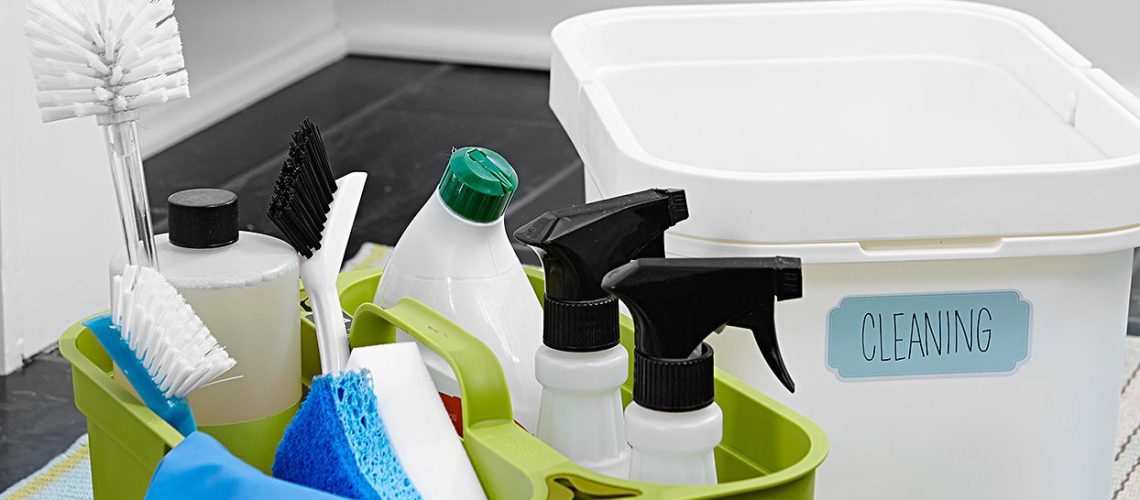
Organize Household Supplies
Searching for cleaning products or kitchen tools wastes valuable time.
Store similar items together.
Examples include:
- Cleaning products in one cabinet
- Toiletries in labeled baskets
- Pantry items grouped by category
- Laundry supplies near the washing machine
- Frequently used tools in accessible locations
Labels and storage containers make organization even easier.
Set Time Limits for Chores
Household work expands to fill available time.
Using timers encourages efficiency.
For example:
- 15 minutes of tidying
- 20 minutes of vacuuming
- 10 minutes for bathroom cleaning
- 30 minutes for folding laundry
Working against the clock often improves focus and productivity.
Take Advantage of Technology
Modern technology simplifies many household tasks.
Helpful tools include:
- Robot vacuum cleaners
- Smart washing machines
- Grocery shopping apps
- Shared family calendars
- Digital shopping lists
- Budget management apps
These tools save time and reduce the mental effort involved in household management.
Build Consistent Habits
Successful household management depends more on consistency than perfection.
Simple daily habits make a significant difference over time.
Examples include:
- Making the bed every morning
- Putting items away immediately
- Emptying trash before it overflows
- Cleaning the kitchen every evening
- Reviewing grocery supplies weekly
These routines eventually become automatic.
Involve the Entire Family
Household management works best as a team effort.
Regular family discussions can help:
- Assign responsibilities
- Rotate chores
- Solve recurring problems
- Celebrate completed goals
When everyone contributes, no single person becomes overwhelmed.
Avoid Perfectionism
A perfectly spotless home every day is unrealistic.
Focus on maintaining a clean, functional, and comfortable living environment rather than striving for perfection.
Small daily improvements are more sustainable than occasional marathon cleaning sessions.
Reward Progress
Motivation increases when achievements are recognized.
After completing household goals, consider small rewards such as:
- Family movie night
- Favorite meal
- Relaxing evening
- Reading time
- Outdoor activities
Positive reinforcement helps maintain long-term habits.
Conclusion
Managing household tasks efficiently is less about working harder and more about creating smart routines that fit your lifestyle. By planning ahead, sharing responsibilities, staying organized, and tackling chores consistently, you can maintain a clean and welcoming home without feeling overwhelmed.
Remember that even small daily efforts add up over time. Whether it’s making the bed, preparing meals in advance, or spending just 15 minutes tidying each evening, these habits can transform household management into a manageable part of everyday life. With consistency, teamwork, and practical planning, you’ll enjoy a more organized home, reduced stress, and more time for the people and activities that matter most.
