

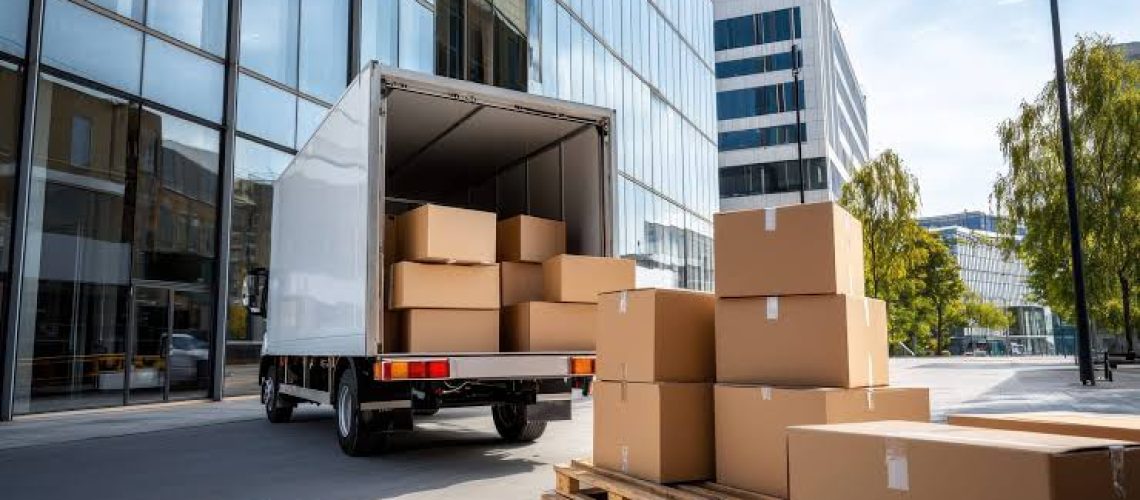
Across Africa and other developing regions, urban centers are expanding at an unprecedented rate.
Every day, thousands of people move to cities in search of better jobs, education, healthcare, and business opportunities. While this rapid urbanization creates economic growth, it also places enormous pressure on transportation systems, supply chains, and public infrastructure.
Efficient logistics has become one of the most important factors in ensuring that growing cities remain productive, livable, and economically competitive. From moving food and medical supplies to delivering online purchases and managing waste collection, logistics affects nearly every aspect of urban life.
This article explores the logistics challenges facing growing urban centers and highlights innovative solutions that can help cities meet the demands of their expanding populations.
Understanding Urban Logistics
Urban logistics refers to the movement, storage, and distribution of goods within cities. It includes:
- Last-mile delivery services
- Public transportation logistics
- Warehouse management
- Freight transportation
- Waste collection and recycling
- Emergency supply distribution
- Retail supply chain management
A well-functioning logistics network ensures businesses receive inventory on time, consumers access essential goods, and city services operate efficiently.
Challenges Facing Growing Urban Centers
1. Traffic Congestion
One of the biggest obstacles to efficient logistics is traffic congestion. As cities grow, roads become overcrowded with private vehicles, buses, trucks, motorcycles, and pedestrians.
Traffic delays lead to:
- Higher transportation costs
- Longer delivery times
- Increased fuel consumption
- Air pollution
- Reduced productivity
Many African cities experience daily traffic jams that significantly affect business operations.
2. Inadequate Road Infrastructure
Many urban roads were designed decades ago for much smaller populations. Today, deteriorating roads, narrow streets, and insufficient bridges slow down transportation and increase vehicle maintenance costs.
Poor road conditions also make deliveries difficult during rainy seasons.
3. Rapid Growth of E-commerce
Online shopping continues to grow rapidly across Africa. Consumers now expect fast, affordable, and reliable deliveries.
However, logistics companies often struggle with:
- Incomplete addresses
- Heavy traffic
- Limited delivery personnel
- Poor route planning
- High delivery costs
Meeting customer expectations requires continuous innovation.
4. Limited Warehouse Space
As cities expand, land becomes more expensive. Finding suitable locations for warehouses near customers becomes increasingly difficult.
Businesses must balance storage capacity with accessibility to minimize transportation costs.
5. Population Growth
Growing populations increase demand for:
- Food distribution
- Healthcare supplies
- Construction materials
- Consumer goods
- Public services
Without efficient logistics systems, shortages and delays become more common.
Smart Logistics Solutions
Digital Route Optimization
Modern logistics companies use software powered by GPS and artificial intelligence to calculate the fastest delivery routes.
Benefits include:
- Reduced travel time
- Lower fuel expenses
- More deliveries per day
- Improved customer satisfaction
Real-time traffic updates also allow drivers to avoid congested roads.
Urban Distribution Centers
Instead of operating one large warehouse outside the city, businesses can establish smaller distribution centers closer to customers.
Advantages include:
- Faster deliveries
- Reduced transportation costs
- Better inventory management
- Improved service quality
These hubs shorten the distance between products and consumers.
Electric Delivery Vehicles
Electric motorcycles, bicycles, and vans are becoming practical solutions for urban deliveries.
Benefits include:
- Lower fuel costs
- Reduced emissions
- Less noise pollution
- Lower maintenance expenses
Electric delivery fleets also support cleaner and more sustainable cities.
Smart Warehousing
Modern warehouses use technology to improve efficiency through:
- Barcode systems
- QR code tracking
- Inventory management software
- Automated sorting
- Digital stock monitoring
These systems reduce human errors and improve order accuracy.
The Importance of Last-Mile Delivery
The “last mile” refers to the final stage of delivering goods from a warehouse to the customer.
Although it covers the shortest distance, it is often the most expensive part of logistics.
Solutions include:
- Motorcycle couriers
- Bicycle delivery services
- Parcel lockers
- Community pickup stations
- Local delivery agents
These approaches help businesses deliver products more quickly and cost-effectively.
Public-Private Partnerships
Governments and private companies must work together to improve urban logistics.
Partnerships can focus on:
- Road construction
- Traffic management systems
- Smart transportation infrastructure
- Freight regulations
- Digital addressing systems
Collaborative planning creates more efficient cities for businesses and residents alike.
Technology Driving Urban Logistics
Several technologies are transforming logistics operations.
Internet of Things (IoT)
Connected sensors monitor vehicles, cargo, and warehouses in real time.
This improves:
- Vehicle tracking
- Temperature monitoring
- Fleet management
- Equipment maintenance
Artificial Intelligence
AI helps companies:
- Predict customer demand
- Optimize delivery routes
- Forecast inventory needs
- Reduce transportation costs
Cloud Computing
Cloud-based logistics platforms allow businesses to monitor operations from anywhere.
Managers can access:
- Delivery status
- Inventory levels
- Driver performance
- Customer orders
Real-time information enables faster decision-making.
Sustainable Urban Logistics
Growing cities must balance economic development with environmental responsibility.
Sustainable logistics practices include:
- Shared delivery networks
- Electric vehicles
- Eco-friendly packaging
- Route optimization
- Recycling programs
- Renewable energy in warehouses
These initiatives reduce carbon emissions while improving operational efficiency.
Supporting Small Businesses
Efficient logistics is particularly important for small and medium-sized enterprises (SMEs).
Affordable logistics solutions help businesses:
- Reach more customers
- Reduce operating costs
- Expand into new markets
- Improve customer satisfaction
- Compete with larger companies
Many startups now provide logistics services tailored specifically to small businesses and online sellers.
Building Resilient Supply Chains
Unexpected disruptions such as floods, pandemics, fuel shortages, or political instability can interrupt supply chains.
Cities can improve resilience by:
- Diversifying transportation routes
- Increasing warehouse capacity
- Investing in digital supply chain management
- Developing emergency response plans
- Strengthening local production networks
Flexible logistics systems recover more quickly from disruptions.
The Role of Data in Urban Logistics
Data-driven decision-making helps logistics companies improve efficiency.
Useful data includes:
- Traffic patterns
- Delivery times
- Fuel consumption
- Customer demand
- Inventory movement
- Vehicle maintenance records
Analyzing this information enables businesses to identify bottlenecks and continuously improve operations.
Opportunities for Innovation in Africa
Africa’s rapidly growing cities present enormous opportunities for logistics innovation.
Emerging solutions include:
- Motorcycle delivery platforms
- Mobile payment integration
- Digital freight marketplaces
- Smart warehouse technologies
- Drone deliveries for remote communities
- AI-powered logistics platforms
Young entrepreneurs are increasingly developing local solutions that address unique urban challenges while creating employment opportunities.
Conclusion
As urban centers continue to expand, efficient logistics will play a central role in supporting economic growth, improving quality of life, and ensuring sustainable development. Traffic congestion, infrastructure limitations, and rising consumer demand require innovative approaches that combine technology, strategic planning, and collaboration.
By investing in smart transportation systems, digital logistics platforms, sustainable delivery methods, and modern warehousing, cities can create supply chains that are faster, more reliable, and environmentally responsible. Businesses, governments, and technology providers all have important roles to play in building logistics networks that meet the needs of growing urban populations.
The future of urban logistics lies in adaptability, innovation, and cooperation. Cities that embrace these principles will be better equipped to support thriving businesses, resilient communities, and a higher standard of living for their residents.
