

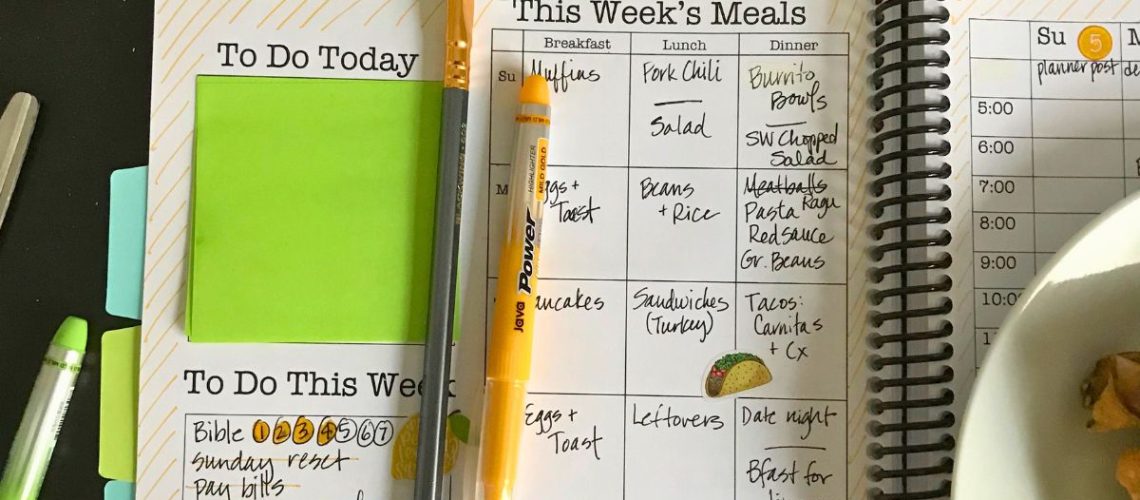
Creating a weekly household management system is one of the simplest ways to reduce stress, save time, and keep your home running smoothly.
Instead of spending weekends catching up on endless chores, a weekly system allows you to spread responsibilities throughout the week. It also creates routines that everyone in the household can follow.
Why Household Management Matters
Managing a home involves much more than cleaning. It includes meal planning, grocery shopping, paying bills, laundry, maintenance, budgeting, childcare, and organizing daily schedules.
Without a system, it’s easy to forget important tasks or become overwhelmed. A weekly household management plan helps you:
- Reduce daily stress
- Save time and energy
- Improve family cooperation
- Prevent last-minute emergencies
- Keep the home consistently organized
- Better manage household finances
Most importantly, it creates predictability, making daily life less chaotic.
Start by Listing Every Household Task
The first step is to identify everything that needs regular attention.
Common household responsibilities include:
Daily Tasks
- Making beds
- Washing dishes
- Sweeping floors
- Taking out the trash
- Cooking meals
- Wiping kitchen surfaces
- Feeding pets
- Tidying living spaces
Weekly Tasks
- Laundry
- Deep cleaning bathrooms
- Grocery shopping
- Changing bed sheets
- Cleaning refrigerators
- Mopping floors
- Dusting furniture
- Watering plants
Monthly Tasks
- Paying utility bills
- Cleaning windows
- Organizing wardrobes
- Checking food supplies
- Servicing appliances
- Reviewing household budgets
Writing everything down gives you a complete picture of your responsibilities.
Assign Specific Days for Specific Chores
Rather than doing everything on one day, spread chores across the week.
An example schedule might look like this:
Monday
- Laundry
- Clean bedrooms
Tuesday
- Grocery shopping
- Meal preparation
Wednesday
- Bathroom cleaning
- Dust furniture
Thursday
- Kitchen deep cleaning
- Organize pantry
Friday
- Outdoor cleaning
- Empty bins
Saturday
- Family cleaning session
- Home maintenance checks
Sunday
- Rest
- Weekly planning
- Prepare meals for the new week
Having dedicated days helps build lasting habits.
Create a Meal Planning Routine
Meal planning removes the daily stress of deciding what to cook.
Every weekend:
- Plan meals for seven days.
- Check existing food supplies.
- Create a shopping list.
- Buy only what you need.
- Prepare ingredients ahead of time.
This system reduces food waste while helping families stay within budget.
For many African households, planning meals around local markets and seasonal produce can significantly lower food costs.
Organize Household Supplies
Running out of essential items creates unnecessary inconvenience.
Maintain a checklist for:
- Rice
- Cooking oil
- Spices
- Soap
- Detergent
- Tissue paper
- Toiletries
- Cleaning supplies
- Drinking water
- Gas or cooking fuel
Review supplies once a week before shopping.
Use a Household Calendar
A family calendar keeps everyone informed.
Include:
- School activities
- Medical appointments
- Work schedules
- Religious events
- Birthdays
- Community meetings
- Bill payment dates
You can use:
- Wall calendars
- Whiteboards
- Mobile calendar apps
- Shared family planners
A visible schedule reduces forgotten commitments.
Share Responsibilities
Household management should not fall on one person alone.
Assign age-appropriate responsibilities to every family member.
Children can:
- Make their beds
- Arrange school bags
- Wash dishes
- Fold clothes
- Feed pets
Teenagers can:
- Sweep
- Cook simple meals
- Take out trash
- Help with shopping
- Wash cars
Adults can rotate responsibilities like budgeting, cooking, and deep cleaning.
Sharing responsibilities teaches accountability while reducing workload.
Set Aside a Weekly Budget Review
Money management is an important part of household organization.
Every week, review:
- Food spending
- Transportation costs
- Utility expenses
- School needs
- Emergency savings
- Household maintenance
Tracking expenses regularly helps prevent overspending.
Prepare for Emergencies
Unexpected situations happen.
Keep emergency supplies ready, including:
- First aid kit
- Flashlights
- Backup phone chargers
- Drinking water
- Non-perishable food
- Emergency cash
- Important documents
Preparation reduces panic during emergencies.
Build Cleaning Habits Instead of Cleaning Marathons
Small daily habits keep homes cleaner than occasional deep-cleaning sessions.
Examples include:
- Washing dishes immediately after meals
- Returning items to their proper places
- Wiping bathroom surfaces daily
- Sweeping high-traffic areas every evening
- Folding laundry as soon as it dries
These small actions prevent chores from becoming overwhelming.
Use Checklists
Checklists improve consistency and reduce forgotten tasks.
Create separate lists for:
- Daily chores
- Weekly chores
- Monthly maintenance
- Grocery shopping
- School supplies
- Household repairs
Checking off completed tasks provides a sense of accomplishment and keeps everyone accountable.
Hold a Weekly Family Meeting
Spend 15 to 20 minutes each week discussing:
- Upcoming activities
- Household needs
- Budget concerns
- Shopping lists
- Chore adjustments
- Special events
Regular communication prevents misunderstandings and ensures everyone contributes.
Keep Important Documents Organized
Store essential documents in one secure location.
These may include:
- Identification documents
- Utility receipts
- Medical records
- Insurance papers
- School documents
- Rental agreements
- Warranty cards
Using clearly labeled folders makes them easier to find when needed.
Review and Improve Your System
No household management system is perfect from the start.
At the end of each week, ask:
- Which tasks took longer than expected?
- What worked well?
- Which chores can be shared?
- What supplies need replenishing?
- What should change next week?
Making small improvements each week helps create a system that fits your family’s lifestyle.
Benefits of a Weekly Household Management System
Families who follow a weekly household routine often experience:
- Cleaner living spaces
- Better financial control
- Reduced stress
- Improved time management
- Stronger family teamwork
- Healthier eating habits
- Fewer forgotten responsibilities
- Greater work-life balance
Consistency is far more effective than trying to do everything at once.
Final Thoughts
Creating a weekly household management system is not about making life rigid, it is about making everyday living more manageable. By dividing tasks throughout the week, planning meals, organizing supplies, sharing responsibilities, and reviewing your progress regularly, you can create a home that functions efficiently without unnecessary stress.
Whether you live in a busy city apartment or a family home in an African community, a practical weekly routine can save time, reduce expenses, and improve everyone’s quality of life. Start with a simple plan, stay consistent, and adjust your system as your household’s needs evolve.
