

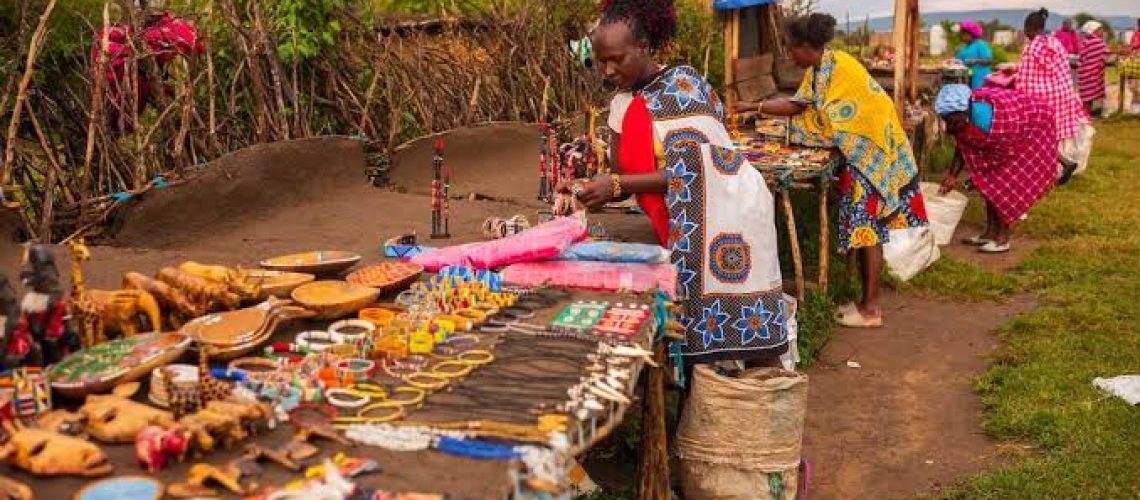
Across Africa, millions of people earn a living outside the formal business system.
From roadside food vendors and market traders to motorcycle taxi operators, artisans, freelance workers, and small-scale farmers, these individuals form the backbone of what economists call the informal economy.
Although informal businesses often operate without official registration or extensive government regulation, they contribute significantly to employment, income generation, and community development. In many African countries, the informal economy serves as a safety net for families and provides essential goods and services where formal businesses may be limited.
Understanding the informal economy helps us appreciate its importance while identifying opportunities to improve livelihoods, increase productivity, and support sustainable economic growth.
What Is the Informal Economy?
The informal economy refers to economic activities that operate outside formal government regulations. These businesses may not be officially registered, may not pay corporate taxes, or may have limited access to legal protections and financial services.
However, being informal does not mean being illegal. Most informal businesses provide legitimate products and services that communities rely on every day.
Examples include:
- Street food vendors
- Open-air market traders
- Tailors and fashion designers
- Hairdressers and barbers
- Mechanics
- Mobile phone repair technicians
- Motorcycle and tricycle transport operators
- Domestic workers
- Smallholder farmers
- Independent artisans and craftsmen
These businesses often require little start-up capital, making entrepreneurship accessible to many people.
Why the Informal Economy Is So Large in Africa
Several factors have contributed to the growth of informal businesses across the continent.
Limited Formal Employment
Many African economies cannot create enough formal jobs to match their rapidly growing populations. Every year, thousands of graduates and job seekers enter the labour market, but formal employment opportunities remain limited.
As a result, many people create their own income through self-employment.
Low Barriers to Entry
Starting an informal business usually requires less capital and fewer legal requirements than establishing a formal company.
Someone can begin selling fruits, repairing phones, making clothing, or offering delivery services with relatively small investments.
Rapid Urbanization
African cities continue to expand as people migrate from rural communities in search of better opportunities.
This population growth increases demand for affordable products and services, creating space for numerous informal businesses.
Entrepreneurial Culture
Across Africa, entrepreneurship has long been part of everyday life. Families often operate small businesses that pass from one generation to another, creating strong traditions of trade and commerce.
The Importance of Informal Economies
Despite operating outside formal structures, informal businesses play a crucial role in African societies.
Creating Employment
One of the greatest strengths of the informal economy is job creation. Millions of people who cannot find formal employment support themselves through trading, transportation, food services, agriculture, construction, and personal services.
In many countries, informal work represents the largest source of employment.
Supporting Local Communities
Informal businesses bring goods and services directly to neighbourhoods. Residents can purchase food, household items, clothing, electronics, and transportation without travelling long distances.
These businesses make everyday life more convenient.
Encouraging Entrepreneurship
Many successful African companies began as small informal businesses.
Entrepreneurs often test ideas in local markets before expanding into registered enterprises.
This gradual growth allows business owners to build experience while managing financial risk.
Increasing Household Income
Even small daily earnings help families pay school fees, rent, healthcare expenses, and food costs.
For many households, informal work provides the primary source of income.
Promoting Local Manufacturing
Many artisans produce furniture, shoes, clothing, jewellery, household goods, and agricultural tools locally.
This supports domestic industries while reducing dependence on imported products.
Common Challenges Facing Informal Businesses
Although informal businesses are resilient, they also face significant obstacles.
Limited Access to Finance
Banks often require business registration, financial records, and collateral before approving loans.
Many informal entrepreneurs cannot meet these requirements, making expansion difficult.
Lack of Legal Protection
Without formal registration, businesses may struggle to protect contracts, resolve disputes, or access government support programmes.
Poor Infrastructure
Unreliable electricity, poor roads, limited storage facilities, and inconsistent internet access increase operating costs.
These challenges reduce productivity and profitability.
Business Insecurity
Street vendors and traders may face relocation, changing regulations, or loss of trading spaces.
Such uncertainty affects long-term planning.
Limited Business Training
Many entrepreneurs possess practical skills but lack formal training in accounting, marketing, customer service, or financial management.
Improving these skills could increase business success.
The Role of Technology
Technology is transforming Africa’s informal economy faster than ever before.
Mobile Payments
Digital payment systems allow traders to receive money safely without handling large amounts of cash.
Customers also enjoy greater convenience.
Social Media Marketing
Small businesses now advertise products through Facebook, Instagram, TikTok, and WhatsApp.
This expands their customer base beyond local markets.
Online Marketplaces
Digital platforms help artisans and traders sell products across cities and even internationally.
Small businesses gain access to larger markets that were previously unreachable.
Digital Bookkeeping
Simple accounting applications help entrepreneurs track sales, expenses, and profits.
Better record-keeping improves financial planning.
Women and the Informal Economy
Women play an essential role in Africa’s informal sector.
Many operate businesses involving:
- Food processing
- Market trading
- Fashion
- Hairdressing
- Agriculture
- Retail
- Catering
- Household services
These enterprises often support entire families while creating employment for others within their communities.
Providing women with greater access to finance, education, and digital tools can strengthen economic development across Africa.
Youth Entrepreneurship in the Informal Sector
Young Africans are increasingly building businesses instead of waiting for traditional employment.
Many start ventures in:
- Graphic design
- Photography
- Digital marketing
- Delivery services
- Software development
- Fashion
- Food businesses
- Content creation
- Agriculture
Technology continues to lower entry barriers, allowing young entrepreneurs to reach customers more efficiently.
How Governments Can Support Informal Businesses
Governments can strengthen the informal economy without discouraging entrepreneurship.
Possible approaches include:
- Simplifying business registration processes
- Reducing registration costs
- Providing affordable business loans
- Expanding vocational training
- Improving market infrastructure
- Increasing access to electricity and internet services
- Supporting digital financial inclusion
- Offering entrepreneurship education
These measures encourage businesses to grow while gradually joining the formal economy.
Balancing Formalization and Flexibility
Formalization offers several advantages, including easier access to loans, legal protection, government contracts, and larger investment opportunities.
However, policymakers should avoid creating excessive regulations that discourage small businesses from registering.
A gradual, supportive approach allows entrepreneurs to transition successfully while maintaining economic activity.
The Future of Informal Economies in Africa
Africa’s informal economy will remain a significant part of the continent’s economic landscape for many years. As technology spreads, financial inclusion improves, and governments introduce business-friendly reforms, many informal enterprises will have greater opportunities to expand.
At the same time, informal businesses will continue providing employment, fostering innovation, and delivering essential services to millions of people.
The challenge is not to eliminate the informal economy but to create an environment where entrepreneurs can grow sustainably while enjoying the benefits of formal participation.
Conclusion
The informal economy represents one of Africa’s greatest sources of resilience, entrepreneurship, and opportunity. Millions of hardworking individuals contribute daily to local economies by creating jobs, providing essential goods and services, and supporting their families.
Although these businesses face challenges such as limited financing, inadequate infrastructure, and regulatory barriers, they continue to drive economic activity across the continent. With better access to education, technology, financial services, and supportive government policies, informal enterprises can become even stronger contributors to Africa’s future prosperity.
Recognizing the value of the informal economy is an important step toward building inclusive economic systems that create opportunities for everyone.
