

Traditional Crafts Finding Modern Markets: How African Artisans Are Reaching the World
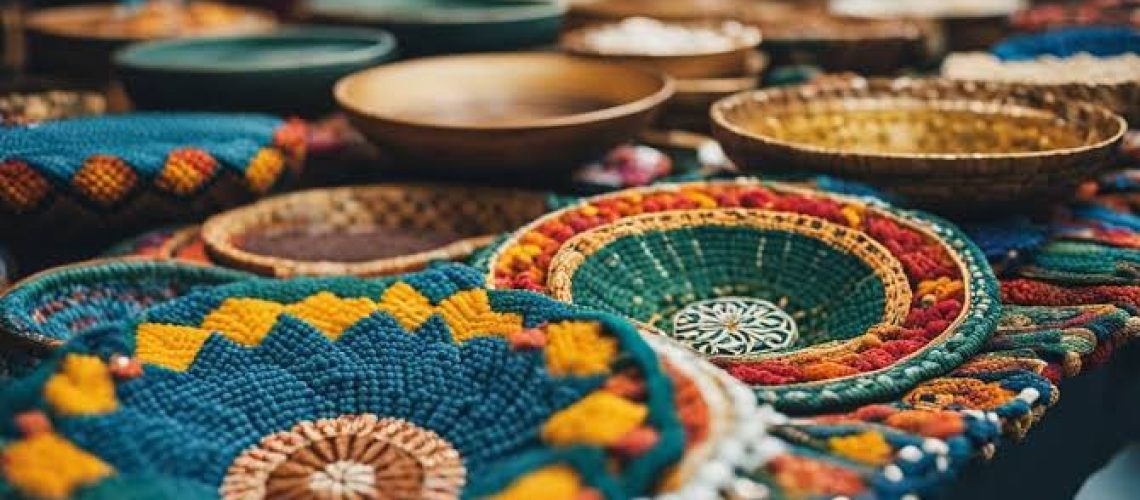
Across Africa, traditional craftsmanship has long been a reflection of history, identity, and community. From intricately woven baskets and colorful textiles to handcrafted pottery, beadwork, wood carvings, and leather goods, these crafts tell stories passed down through generations. For centuries, artisans primarily sold their products within local markets or neighboring communities.
Today, however, a remarkable transformation is taking place. Traditional African crafts are finding modern markets through digital commerce, international partnerships, tourism, and changing consumer preferences. As buyers increasingly seek authentic, handmade, and sustainable products, African artisans are discovering new opportunities to turn cultural heritage into thriving businesses.
This shift is not only preserving traditions but also creating employment, empowering women and youth, and strengthening local economies across the continent.
The Enduring Value of Traditional Crafts
Traditional crafts are much more than decorative items. They preserve indigenous knowledge, celebrate cultural identity, and showcase remarkable craftsmanship that machines often cannot replicate.
Across Africa, different regions are known for distinctive craft traditions, including:
- Handwoven Kente and Akwete fabrics
- Maasai beadwork
- Tuareg silver jewelry
- Ethiopian handwoven cotton textiles
- Moroccan ceramics
- Nigerian Aso Oke weaving
- Ghanaian Bolga baskets
- Makonde wood carvings from East Africa
Each piece reflects local history, customs, and artistic expression, making handcrafted products highly valued in today’s global marketplace.
Why Modern Consumers Are Embracing Handmade Products
Consumer preferences have changed significantly over the past decade.
Many shoppers now prioritize products that are:
- Handmade rather than mass-produced
- Ethically sourced
- Environmentally sustainable
- Unique and personalized
- Connected to authentic cultural stories
Unlike factory-made goods, handcrafted products often carry emotional value. Buyers appreciate knowing who made the item, the techniques involved, and the cultural significance behind it.
This growing appreciation has opened doors for African artisans to compete in markets that value quality over quantity.
Digital Platforms Are Expanding Market Access
One of the biggest drivers of change is technology.
Instead of relying solely on local markets, many artisans now sell through:
- Online marketplaces
- Social media platforms
- Independent e-commerce websites
- Digital exhibitions
- Virtual craft fairs
Instagram, Facebook, TikTok, and WhatsApp Business have become powerful marketing tools. Artisans can showcase products through photos and videos, engage directly with customers, and receive orders from cities across Africa and even overseas.
Digital payment systems and improved logistics have made cross-border sales much easier than in previous decades.
Tourism Continues to Support Craft Businesses
Tourism remains an important market for traditional crafts. Visitors often look for authentic souvenirs that reflect local culture rather than imported products. Handmade baskets, fabrics, sculptures, paintings, jewelry, and ceramics continue to attract travelers looking for meaningful keepsakes.
Many cultural festivals, heritage centers, museums, and artisan villages also provide opportunities for craftspeople to connect directly with tourists.
As tourism recovers across Africa, local artisans stand to benefit from renewed demand.
Fashion Designers Are Reviving Traditional Techniques
African fashion designers are increasingly incorporating traditional craftsmanship into contemporary collections.
Rather than replacing traditional methods, designers collaborate with artisans to produce:
- Handwoven fabrics
- Embroidered garments
- Beaded accessories
- Leather products
- Hand-dyed textiles
This collaboration helps preserve traditional skills while introducing them to younger consumers and international fashion markets.
Luxury brands are also recognizing the value of handmade African craftsmanship, creating new export opportunities.
Sustainable Living Is Driving Demand
Consumers worldwide are becoming more environmentally conscious.
Traditional crafts naturally align with sustainability because many artisans use:
- Natural fibers
- Recycled materials
- Locally sourced resources
- Low-energy production methods
Products such as woven baskets, reusable shopping bags, handmade furniture, clay cookware, and natural fiber home décor appeal to eco-conscious buyers looking for alternatives to plastic and mass-produced goods.
This growing movement creates additional demand for African handcrafted products.
Women Are Leading Many Craft Enterprises
In many African communities, women play a central role in preserving traditional crafts.
Women’s cooperatives produce:
- Basket weaving
- Pottery
- Textile production
- Beadwork
- Natural soap
- Decorative household items
Access to modern markets has increased household incomes while improving financial independence for many women.
Community cooperatives also enable artisans to share resources, improve product quality, negotiate better prices, and fulfill larger orders.
Challenges Still Facing Traditional Craft Businesses
Despite encouraging growth, several challenges remain.
Limited Market Visibility
Many talented artisans still struggle to reach larger audiences due to limited digital skills or poor internet connectivity.
Access to Finance
Small craft businesses often need funding to purchase better equipment, improve packaging, or expand production.
Counterfeit Products
Machine-made imitations sold at lower prices can reduce demand for authentic handcrafted goods.
Logistics and Shipping
International shipping costs, customs procedures, and delivery delays can make exports more difficult for small businesses.
Skills Development
Many artisans would benefit from additional training in branding, product photography, digital marketing, customer service, and financial management.
The Role of Governments and Development Organizations
Several African governments and nonprofit organizations are supporting craft industries by providing:
- Business development training
- Export promotion programs
- Artisan cooperatives
- Microfinance opportunities
- Digital literacy workshops
- Access to international trade fairs
These initiatives help traditional crafts become more competitive in both domestic and international markets.
Young Entrepreneurs Are Modernizing Traditional Crafts
A new generation of entrepreneurs is reimagining traditional craftsmanship for today’s consumers.
Examples include:
- Modern home décor inspired by indigenous designs
- Contemporary furniture using traditional weaving techniques
- Smartphone accessories made from local fabrics
- Sustainable fashion collections
- Handmade luxury gift items
- Customized corporate gifts featuring local artistry
By combining tradition with innovation, young business owners are making cultural heritage relevant to modern lifestyles.
Building Strong Brands Around African Heritage
Successful craft businesses increasingly focus on storytelling rather than simply selling products.
Customers are interested in learning:
- Who made the product
- The cultural meaning behind the design
- Materials used
- Production techniques
- Community impact
Authentic storytelling builds trust and creates emotional connections that encourage repeat purchases.
Branding, quality packaging, and professional photography also help handcrafted products compete in international markets.
The Future of Traditional Crafts in Africa
The future looks promising for Africa’s craft sector. Growing internet access, expanding e-commerce, stronger regional trade, and increasing appreciation for sustainable handmade products are creating new opportunities for artisans across the continent.
As younger generations embrace entrepreneurship while respecting traditional knowledge, African crafts are evolving without losing their cultural identity.
The combination of innovation, digital marketing, and authentic craftsmanship positions African artisans to reach customers far beyond their local communities.
Conclusion
Traditional African crafts are no longer confined to village markets or tourist shops. Through digital technology, ethical consumerism, sustainable production, and creative entrepreneurship, artisans are finding new audiences both within Africa and around the world.
While challenges such as financing, logistics, and market access remain, the momentum is undeniable. Every handcrafted basket, woven fabric, carved sculpture, or beaded necklace represents more than artistic skill, it represents cultural preservation, economic opportunity, and community resilience.
By supporting traditional crafts, consumers are not only purchasing beautiful products but also helping preserve Africa’s rich cultural heritage while creating sustainable livelihoods for generations of artisans.
