

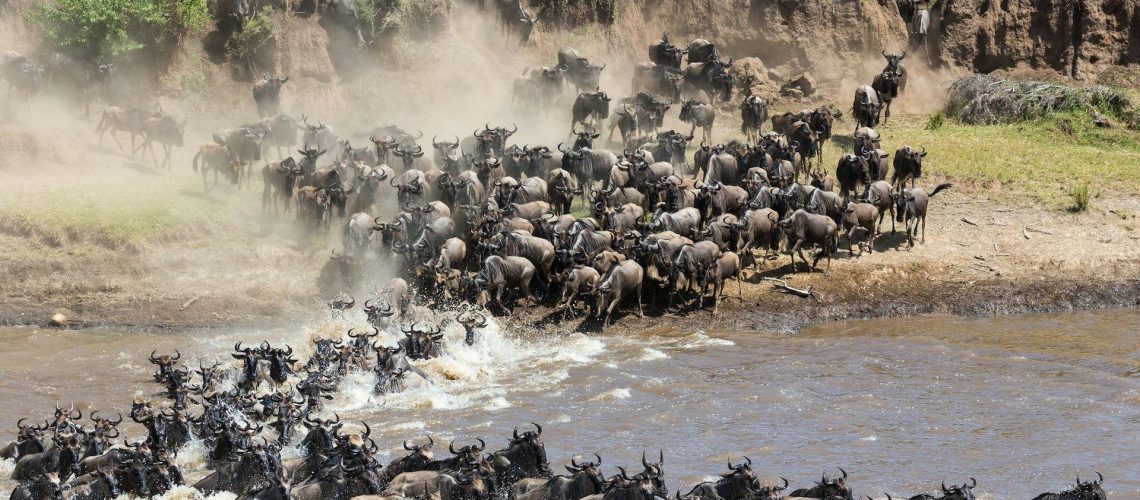
Africa is home to some of the world’s most remarkable cultural and natural treasures.
From ancient kingdoms and archaeological wonders to lush rainforests and breathtaking wildlife reserves, the continent offers an incredible collection of UNESCO World Heritage Sites. These sites preserve Africa’s rich history, diverse cultures, and unique ecosystems while attracting millions of visitors each year.
Moreover, UNESCO recognition highlights places of outstanding universal value. It encourages conservation, promotes sustainable tourism, and helps protect these treasures for future generations. Whether you are a history enthusiast, a nature lover, or an adventurous traveler, Africa’s UNESCO Heritage Sites offer unforgettable experiences.
What Are UNESCO World Heritage Sites?
UNESCO, the United Nations Educational, Scientific and Cultural Organization, designates World Heritage Sites based on their exceptional cultural or natural significance. Countries nominate locations that demonstrate historical importance, architectural excellence, ecological value, or geological uniqueness.
Today, Africa boasts more than 100 UNESCO World Heritage Sites spread across over 35 countries. Together, they tell the story of ancient civilizations, powerful kingdoms, diverse cultures, and extraordinary biodiversity.
Why Africa’s Heritage Sites Matter
Africa’s heritage sites represent thousands of years of human civilization and natural evolution. They preserve traditions, protect endangered wildlife, and contribute significantly to local economies through tourism.
Furthermore, these sites:
- Preserve historical monuments and archaeological discoveries.
- Protect endangered species and fragile ecosystems.
- Create employment opportunities through tourism.
- Promote cultural identity and national pride.
- Support scientific research and education.
- Encourage international cooperation in conservation.
As tourism grows across Africa, protecting these heritage sites becomes increasingly important.
Iconic UNESCO Heritage Sites Across Africa
1. Pyramids of Giza – Egypt
The Great Pyramid, the largest of the three, stood as the tallest man-made structure for nearly four millennia. Today, visitors continue to marvel at the engineering skills of ancient Egypt.
Highlights include:
- The Great Pyramid
- The Pyramid of Khafre
- The Pyramid of Menkaure
- The Great Sphinx
These monuments symbolize one of humanity’s greatest civilizations.
2. Robben Island – South Africa
Today, former inmates often guide visitors through the prison, providing powerful firsthand accounts of resilience, justice, and reconciliation.
The island stands as an international symbol of human rights and freedom.
3. Serengeti National Park – Tanzania
The park also shelters:
- Lions
- Leopards
- Cheetahs
- Elephants
- Rhinos
- Hundreds of bird species
Consequently, it remains one of Africa’s premier safari destinations.
4. Timbuktu – Mali
Its famous mud-built mosques and ancient manuscripts demonstrate West Africa’s intellectual achievements. Despite facing environmental and security challenges, conservation efforts continue to protect this historic city.
5. Victoria Falls – Zambia and Zimbabwe
The surrounding rainforest supports a rich variety of wildlife and plant species. Visitors enjoy activities such as:
- Scenic helicopter flights
- White-water rafting
- Nature walks
- Wildlife viewing
- Photography
The falls remain one of Africa’s most visited natural attractions.
6. Rock-Hewn Churches of Lalibela – Ethiopia
Carved directly into volcanic rock during the 12th and 13th centuries, the churches of Lalibela represent remarkable engineering and religious devotion. Even today, thousands of pilgrims visit these sacred churches during major Christian celebrations.
The site reflects Ethiopia’s long-standing spiritual heritage.
7. Great Zimbabwe National Monument – Zimbabwe
8. Bwindi Impenetrable National Park – Uganda
Additionally, the forest contains:
- More than 350 bird species
- Hundreds of butterfly species
- Rare mammals
- Unique plant life
Lesser-Known African UNESCO Sites Worth Visiting
Although famous destinations attract global attention, several lesser-known sites deserve equal recognition.
These include:
- The Ruins of Kilwa Kisiwani in Tanzania
- Tsodilo Hills in Botswana
- Lake Malawi National Park
- Mount Kenya National Park
- Aksum Archaeological Site in Ethiopia
- Leptis Magna in Libya
- Ancient Ksour of Mauritania
- Richtersveld Cultural and Botanical Landscape in South Africa
Each destination offers unique insights into Africa’s cultural diversity and natural beauty.
Challenges Facing Africa’s Heritage Sites
Despite their importance, many UNESCO sites face serious threats.
Some of the biggest challenges include:
- Climate change
- Illegal mining
- Armed conflict
- Urban expansion
- Poaching
- Deforestation
- Unregulated tourism
- Inadequate funding for conservation
However, governments, conservation organizations, local communities, and international partners continue working together to protect these irreplaceable treasures.
Responsible Tourism Makes a Difference
Every traveler can help preserve Africa’s heritage.
When visiting UNESCO sites:
- Respect local customs and traditions.
- Stay on designated paths.
- Avoid damaging monuments.
- Support local guides and businesses.
- Reduce plastic waste.
- Follow wildlife viewing guidelines.
- Choose environmentally responsible tour operators.
Small actions can make a lasting impact on conservation efforts.
The Future of Africa’s World Heritage
Africa continues to discover and preserve new archaeological sites, cultural landscapes, and biodiversity hotspots. As research advances and conservation improves, more locations may receive UNESCO recognition.
At the same time, digital technology, community-led conservation, and sustainable tourism are helping protect existing heritage sites while creating new economic opportunities for surrounding communities.
Investing in heritage preservation strengthens cultural identity, supports education, and promotes long-term economic development.
Conclusion
Africa’s UNESCO Heritage Sites showcase the continent’s extraordinary history, cultural richness, and natural beauty. From the ancient pyramids of Egypt and the scholarly legacy of Timbuktu to the wildlife of the Serengeti and the mountain gorillas of Bwindi, each destination tells a unique story about Africa’s past and present.
As interest in African tourism continues to grow, responsible travel and effective conservation will play an essential role in safeguarding these remarkable places. By appreciating and protecting these treasures today, we ensure that future generations can continue to learn from and enjoy Africa’s incredible heritage.
