

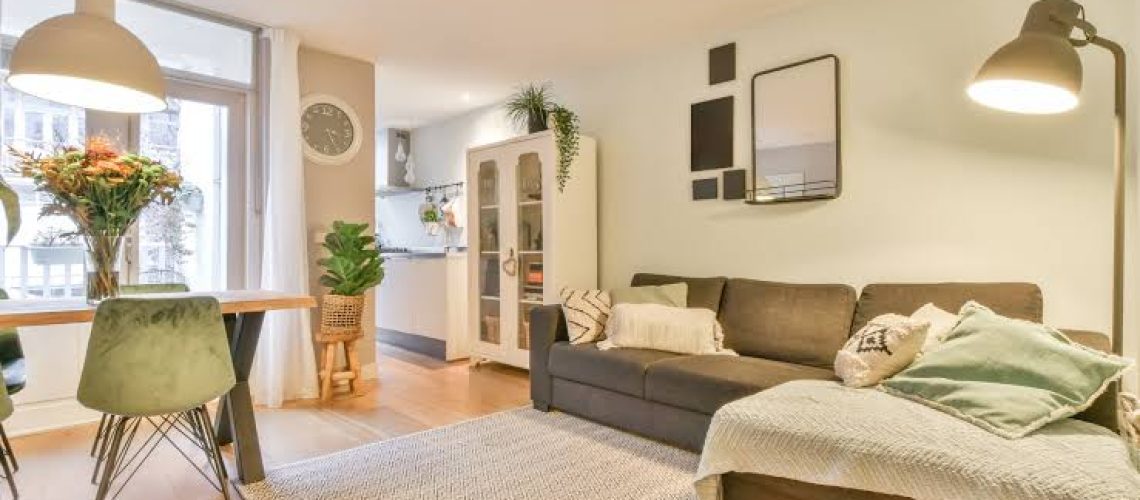
Creating Functional Living Spaces: Practical Ideas for Comfortable and Efficient Homes
A functional living space is more than a beautiful home. It is an environment designed to support your daily activities, improve comfort, and make life easier. Whether you live in a spacious house, a city apartment, or a compact family home, thoughtful planning helps every square meter serve a purpose.
As urban populations continue to grow across Africa, many people are learning how to make the most of limited living spaces. Fortunately, creating a functional home does not always require expensive renovations. Instead, smart organization, practical furniture choices, and efficient layouts can transform any space into a comfortable and productive environment.
In this article, we explore practical strategies for designing functional living spaces that suit modern lifestyles while remaining affordable and adaptable.
What Is a Functional Living Space?
A functional living space is designed to meet the everyday needs of its occupants. Every room has a clear purpose, and furniture, storage, and décor work together to make daily life easier.
Rather than filling a home with unnecessary items, functional design focuses on:
- Comfort
- Accessibility
- Organization
- Flexibility
- Efficient use of space
- Easy maintenance
When these elements come together, a home becomes both attractive and practical.
Benefits of Creating Functional Living Spaces
Investing time in improving your home’s functionality offers many long-term advantages.
Better Organization
Well-organized homes reduce clutter and make it easier to locate everyday items. As a result, less time is spent searching for misplaced belongings.
Increased Comfort
Comfortable furniture, proper lighting, and thoughtful room layouts make everyday activities more enjoyable.
Improved Productivity
A designated workspace, organized kitchen, or quiet reading corner helps improve focus and efficiency.
Reduced Stress
Clutter often contributes to mental fatigue. On the other hand, clean and organized spaces create a sense of calm and control.
Better Family Interaction
Functional homes encourage family members to spend quality time together through comfortable shared spaces.
Start with Your Daily Lifestyle
Before rearranging furniture or purchasing storage solutions, consider how your household uses each room.
Ask yourself:
- Which rooms are used most often?
- Where does clutter usually accumulate?
- Which activities need dedicated spaces?
- What furniture is rarely used?
- Which areas feel cramped?
Answering these questions helps identify opportunities for improvement.
Maximize Every Available Space
Small improvements often make a significant difference.
Use Vertical Storage
Instead of relying only on floor space, install:
- Wall shelves
- Floating cabinets
- Hanging organizers
- Pegboards
- Hooks behind doors
These solutions free up valuable floor space while keeping items accessible.
Utilize Under-Furniture Storage
Beds, sofas, and tables often leave unused space beneath them.
Storage boxes or rolling containers can hold:
- Seasonal clothing
- Shoes
- Toys
- Documents
- Extra bedding
Consequently, rooms remain tidy without sacrificing storage capacity.
Choose Multi-Functional Furniture
Furniture that serves multiple purposes is especially valuable in smaller homes.
Examples include:
- Sofa beds
- Foldable dining tables
- Storage ottomans
- Beds with built-in drawers
- Nesting tables
- Wall-mounted desks
These pieces provide flexibility while reducing clutter.
Declutter Regularly
A functional home contains only items that serve a purpose or bring genuine value.
Every few months:
- Donate unused clothing.
- Recycle broken items.
- Discard expired products.
- Organize paperwork.
- Store seasonal decorations.
Moreover, maintaining fewer possessions makes cleaning much easier.
Create Clearly Defined Zones
Even open-plan homes benefit from designated areas.
For example:
- Reading corner
- Children’s play area
- Home office
- Dining section
- Relaxation zone
- Study area
Area rugs, bookshelves, furniture placement, or lighting can visually separate these zones without building walls.
Improve Natural Lighting
Natural light enhances both appearance and functionality.
To maximize daylight:
- Use light-colored curtains.
- Clean windows regularly.
- Position mirrors opposite windows.
- Avoid blocking sunlight with large furniture.
Additionally, brighter rooms often feel larger and more inviting.
Use Smart Storage Solutions
Storage should be convenient rather than hidden away in difficult-to-reach areas.
Practical ideas include:
- Clear storage containers
- Stackable bins
- Labelled baskets
- Drawer organizers
- Kitchen shelf risers
- Bathroom wall shelves
Organized storage saves time and keeps daily essentials within reach.
Make the Kitchen More Efficient
The kitchen is one of the busiest areas in any home.
Improve functionality by:
- Grouping similar items together.
- Keeping frequently used utensils nearby.
- Storing dry foods in labelled containers.
- Installing wall-mounted spice racks.
- Using drawer dividers.
- Creating a meal preparation station.
These small adjustments make cooking faster and more enjoyable.
Design a Comfortable Living Room
The living room should support relaxation, conversation, and entertainment.
Arrange furniture to encourage interaction while allowing clear walking paths.
Avoid overcrowding the room with unnecessary furniture. Instead, leave enough open space for comfortable movement.
Soft lighting, indoor plants, and practical storage also enhance the room’s atmosphere.
Build a Functional Bedroom
Bedrooms should promote rest and relaxation.
Simple improvements include:
- Bedside storage
- Comfortable mattresses
- Blackout curtains
- Minimal decorative clutter
- Under-bed storage
- Soft lighting
A peaceful bedroom often contributes to better sleep quality.
Organize Children’s Spaces
Children benefit from organized environments that encourage independence.
Use:
- Low storage shelves
- Toy bins
- Colour-coded baskets
- Homework stations
- Wall hooks for school bags
Furthermore, involving children in organizing their belongings teaches responsibility.
Create an Effective Home Office
Remote work continues to grow, making functional workspaces increasingly important.
An ideal home office includes:
- Comfortable chair
- Proper desk height
- Reliable lighting
- Organized cables
- Storage for documents
- Minimal distractions
Even a small corner of a room can become an efficient workspace with thoughtful planning.
Add Indoor Plants
Plants improve both appearance and comfort.
Popular low-maintenance choices include:
- Snake plant
- Aloe vera
- Spider plant
- Peace lily
- ZZ plant
Besides adding beauty, many indoor plants improve air quality and create a relaxing atmosphere.
Choose Durable Materials
Functional spaces should withstand everyday use.
When selecting furniture or finishes, prioritize:
- Easy-to-clean fabrics
- Durable flooring
- Moisture-resistant materials
- Washable paint
- Strong shelving
Although quality materials may cost more initially, they often reduce long-term maintenance expenses.
Keep Walkways Clear
Easy movement throughout the home improves both safety and comfort.
Avoid:
- Blocking hallways
- Overcrowding entrances
- Placing furniture in walking paths
- Leaving loose electrical cables exposed
Clear pathways also make homes feel larger and more welcoming.
Incorporate Local and Sustainable Design
Across Africa, many homeowners are embracing locally sourced materials and sustainable practices.
Examples include:
- Bamboo furniture
- Wooden storage units
- Handwoven baskets
- Clay décor
- Natural fibre rugs
- Locally crafted furniture
These choices support local artisans while adding warmth and cultural character to living spaces.
Common Mistakes to Avoid
Many homeowners unintentionally reduce functionality by making avoidable design choices.
Common mistakes include:
- Buying oversized furniture
- Ignoring storage needs
- Decorating before organizing
- Poor lighting placement
- Keeping unnecessary possessions
- Failing to plan room layouts
Fortunately, addressing these issues often requires only minor adjustments rather than major renovations.
Functional Living Spaces for Small Homes
Many African families live in compact apartments or modest homes. Fortunately, limited space does not have to limit comfort.
Focus on:
- Foldable furniture
- Wall-mounted storage
- Neutral colours
- Multipurpose rooms
- Compact appliances
- Vertical organization
With careful planning, even small homes can feel spacious and efficient.
The Future of Functional Home Design
Modern living continues to evolve alongside technology and changing lifestyles. Smart home devices, energy-efficient lighting, modular furniture, and flexible layouts are becoming increasingly popular. At the same time, homeowners are placing greater emphasis on sustainability, wellness, and adaptable spaces that can support work, learning, and leisure.
As these trends continue, functional design will remain a key priority for creating homes that meet the demands of everyday life.
Conclusion
Creating functional living spaces is about making your home work better for your lifestyle. By organizing effectively, choosing versatile furniture, maximizing storage, and designing rooms with purpose, you can create an environment that is both comfortable and efficient.
Whether you live in a large family home or a compact urban apartment, thoughtful planning can transform ordinary spaces into practical, welcoming places that support your daily routines. Ultimately, a functional home is not defined by its size or cost but by how well it serves the people who live in it.
