

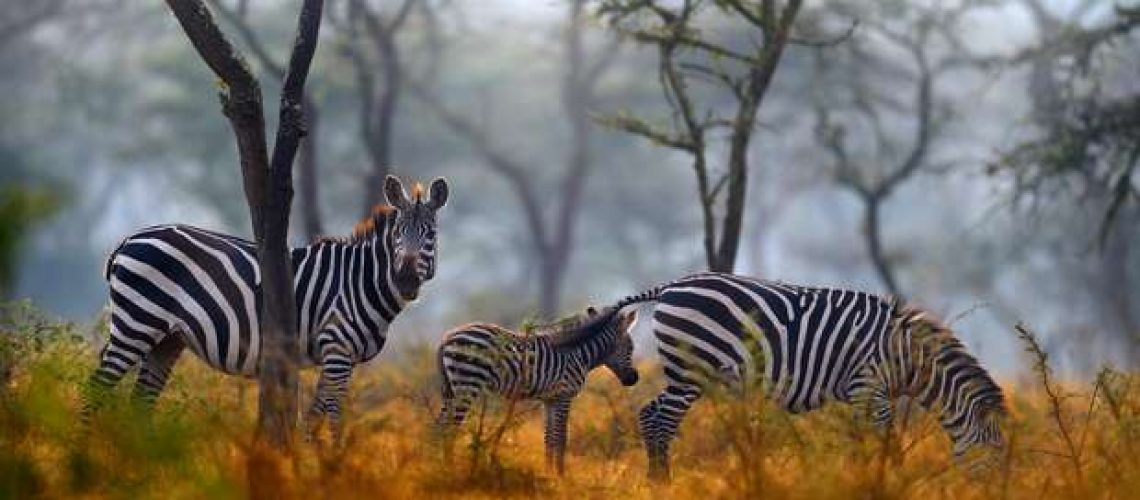
When people think of African wildlife, iconic names such as the Serengeti, Maasai Mara, Kruger National Park, and Chobe often come to mind.
These world-famous destinations deserve their reputation, attracting millions of visitors each year with spectacular wildlife migrations and unforgettable safari adventures. However, Africa’s wildlife story extends far beyond these celebrated parks. Across the continent are hidden reserves, community conservancies, wetlands, forests, mountain ecosystems, and marine parks that receive fewer visitors yet offer equally rewarding experiences. These lesser-known destinations provide travelers with quieter safaris, closer interactions with nature, and opportunities to support local conservation efforts.
Whether you’re an adventurous traveler seeking something different or a nature enthusiast looking to escape crowded tourist routes, these overlooked wildlife destinations deserve a place on your travel list.
Why Explore Lesser-Known Wildlife Destinations?
Choosing destinations beyond the famous parks offers several advantages.
Fewer Crowds
Popular parks can become busy during peak travel seasons. Lesser-known reserves provide peaceful game drives where wildlife sightings feel more personal and uninterrupted.
Better Value
Accommodation and park fees are often more affordable, making these destinations ideal for travelers with moderate budgets.
Authentic Community Experiences
Many hidden reserves are managed alongside local communities. Visitors often have opportunities to learn about indigenous cultures, traditional conservation methods, and sustainable tourism initiatives.
Supporting Conservation
Tourism revenue in smaller parks plays a significant role in protecting endangered species, funding anti-poaching programs, and creating employment for surrounding communities.
1. South Luangwa National Park, Zambia
Although Zambia is respected among seasoned safari enthusiasts, South Luangwa remains surprisingly underrated compared to East Africa’s famous parks.
The park is renowned for:
- Walking safaris led by experienced guides
- Large populations of leopards
- Elephants and buffalo herds
- Hippos gathering along the Luangwa River
- Over 400 bird species
Night drives offer exceptional opportunities to observe nocturnal wildlife rarely seen elsewhere.
2. Gorongosa National Park, Mozambique
Once devastated by years of civil conflict, Gorongosa has become one of Africa’s greatest conservation success stories.
Wildlife populations have steadily recovered, including:
- Lions
- Elephants
- Hippos
- Wild dogs
- Crocodiles
- Numerous antelope species
The park combines forests, floodplains, lakes, rivers, and savannahs, creating remarkable biodiversity within a single destination.
3. Zakouma National Park, Chad
Located in Central Africa, Zakouma remains one of the continent’s least-visited wildlife parks despite its incredible conservation achievements.
Visitors may encounter:
- Massive elephant herds
- Kordofan giraffes
- Lions
- Buffalo
- Thousands of migratory birds
Strict anti-poaching measures have helped wildlife populations recover dramatically over the past decade.
4. Nyungwe Forest National Park, Rwanda
Most visitors travel to Rwanda for mountain gorillas, but Nyungwe Forest offers a completely different wildlife experience.
Highlights include:
- Chimpanzee trekking
- Colobus monkey troops
- More than 300 bird species
- Dense rainforest ecosystems
- Africa’s famous canopy walkway
The forest represents one of Africa’s oldest tropical rainforests, with exceptional biodiversity.
5. Liwonde National Park, Malawi
Malawi is often overlooked as a safari destination, yet Liwonde has become one of Southern Africa’s conservation success stories.
The Shire River attracts:
- Hippos
- Nile crocodiles
- Elephants
- Fish eagles
- Waterbucks
Boat safaris provide a refreshing alternative to traditional game drives, allowing visitors to observe wildlife from the water.
6. Pendjari National Park, Benin
Situated within the W-Arly-Pendjari conservation complex, Pendjari is one of West Africa’s premier wildlife destinations.
Animals commonly spotted include:
- African lions
- Elephants
- Cheetahs
- Leopards
- Roan antelopes
- Hyenas
Its relatively low visitor numbers make wildlife viewing especially rewarding.
7. Bale Mountains National Park, Ethiopia
Unlike traditional safari parks, Bale Mountains showcase high-altitude wildlife found nowhere else.
Unique species include:
- Ethiopian wolf
- Mountain nyala
- Bale monkey
- Giant mole-rat
- Numerous endemic birds
The dramatic landscapes combine alpine meadows, volcanic peaks, and cloud forests.
8. Odzala-Kokoua National Park, Republic of the Congo
Deep within the Congo Basin lies one of Africa’s most pristine rainforests.
This extraordinary park is famous for:
- Western lowland gorillas
- Forest elephants
- Chimpanzees
- Rare forest birds
- Dense tropical vegetation
Guided forest walks offer an entirely different wildlife experience compared to open savannah safaris.
9. Kafue National Park, Zambia
As one of Africa’s largest national parks, Kafue somehow remains overlooked by many international tourists.
The park features:
- Cheetahs
- Wild dogs
- Lions
- Leopards
- Hundreds of bird species
- Vast floodplains
Its enormous size allows wildlife to roam freely with minimal human disturbance.
10. Bangweulu Wetlands, Zambia
The Bangweulu Wetlands provide one of Africa’s finest birdwatching destinations.
Visitors come to see:
- The rare shoebill stork
- Sitatunga antelope
- Lechwe
- Hippos
- Wetland bird species
The peaceful scenery offers an experience completely different from conventional safaris.
Community Conservancies: Africa’s Hidden Wildlife Champions
Across Kenya, Namibia, Botswana, and Tanzania, community conservancies are redefining wildlife conservation. Rather than relying solely on government-managed parks, these conservancies empower local communities to protect wildlife while generating sustainable income through tourism.
Benefits include:
- Reduced human-wildlife conflict
- Employment opportunities
- Eco-lodges owned by communities
- Cultural tourism experiences
- Better wildlife protection
Travelers often enjoy smaller group sizes and more personalized safari experiences while directly contributing to conservation.
Marine Wildlife Destinations Worth Exploring
Africa’s wildlife isn’t limited to land.
Some remarkable marine destinations include:
Bazaruto Archipelago (Mozambique)
Visitors may encounter:
- Dugongs
- Dolphins
- Sea turtles
- Whale sharks
- Colorful coral reefs
iSimangaliso Wetland Park (South Africa)
This UNESCO World Heritage Site combines beaches, wetlands, lakes, coral reefs, and forests, supporting:
- Whales
- Dolphins
- Crocodiles
- Hippos
- Hundreds of bird species
Bijagós Archipelago (Guinea-Bissau)
An untouched island paradise where visitors may observe:
- Green sea turtles
- Saltwater hippos
- Rare migratory birds
- Dolphins
Responsible Wildlife Tourism Tips
Wherever you travel, responsible tourism helps preserve Africa’s natural heritage.
Keep these practices in mind:
- Maintain a respectful distance from animals.
- Never feed wildlife.
- Follow your guide’s instructions.
- Choose eco-certified accommodations.
- Support community-owned tourism businesses.
- Avoid purchasing products made from endangered species.
- Leave no litter behind.
- Respect local cultures and traditions.
Small choices by travelers collectively make a significant difference in protecting fragile ecosystems.
The Future of Hidden Wildlife Destinations
Climate change, habitat loss, illegal wildlife trade, and expanding human settlements continue to threaten Africa’s biodiversity. Fortunately, conservation organizations, governments, local communities, and responsible travelers are working together to protect these ecosystems.
As tourism spreads beyond the most famous parks, lesser-known reserves receive increased funding for wildlife protection, habitat restoration, scientific research, and community development. This balanced approach not only eases pressure on overcrowded destinations but also ensures that conservation benefits are shared across more regions.
Choosing to visit these hidden gems allows travelers to experience authentic adventures while playing a meaningful role in preserving Africa’s extraordinary natural heritage.
Conclusion
Africa’s wildlife extends far beyond its internationally renowned national parks. Hidden forests, wetlands, conservancies, mountains, and lesser-known reserves offer unforgettable encounters with rare species, breathtaking landscapes, and rich cultural experiences.
For travelers seeking authentic adventures, these destinations provide quieter safaris, deeper connections with nature, and the opportunity to support conservation efforts that genuinely make a difference. The next time you plan an African wildlife journey, consider venturing beyond the famous names, you may discover some of the continent’s most remarkable treasures waiting where few others have explored.
