

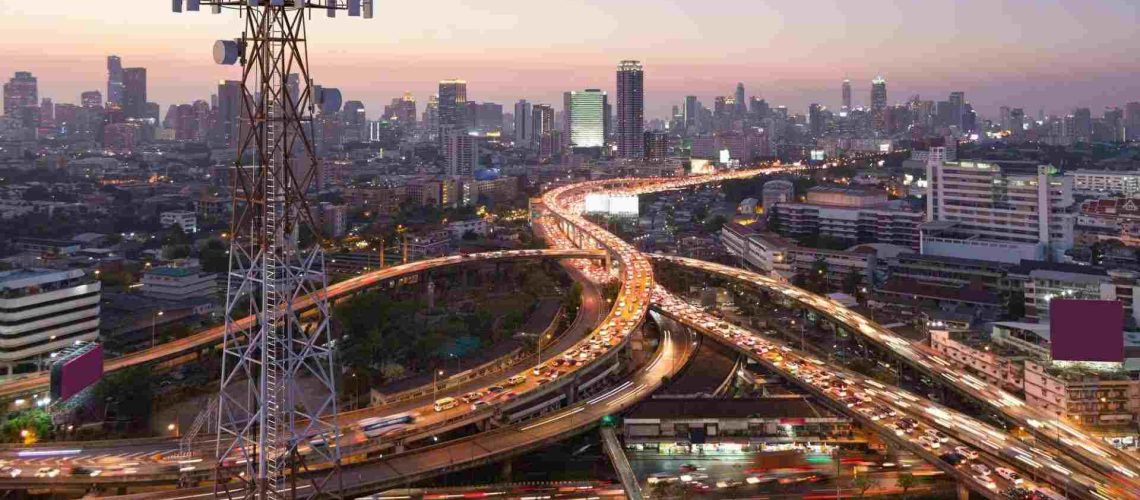
Smart Infrastructure Projects: Building Africa’s Future Through Innovation
Across Africa, cities are growing at an unprecedented pace. Millions of people are moving to urban areas in search of better jobs, education, healthcare, and business opportunities. While this rapid urbanization creates exciting possibilities, it also places enormous pressure on roads, public transportation, water systems, electricity networks, housing, and communication infrastructure.
To address these challenges, governments, private investors, and technology companies are embracing smart infrastructure projects, modern developments that combine physical infrastructure with digital technologies to improve efficiency, sustainability, and quality of life.
From intelligent traffic management systems and renewable energy grids to smart water distribution and connected public services, smart infrastructure is redefining how African cities function. These projects are not simply about installing new technology; they are about creating resilient communities that can adapt to future challenges while supporting economic growth.
What Is Smart Infrastructure?
Smart infrastructure refers to physical systems enhanced with digital technologies such as:
- Internet of Things (IoT) sensors
- Artificial Intelligence (AI)
- Big data analytics
- Cloud computing
- Geographic Information Systems (GIS)
- Automation
- High-speed communication networks
These technologies continuously collect and analyze data, allowing infrastructure to operate more efficiently, predict maintenance needs, reduce waste, and improve service delivery.
For example, instead of waiting for a road to deteriorate before repairs begin, smart sensors can detect early signs of damage, enabling preventive maintenance that saves both time and money.
Why Smart Infrastructure Matters
Traditional infrastructure often operates reactively, problems are addressed only after they become severe. Smart infrastructure changes this approach by enabling proactive management.
The benefits include:
- Reduced traffic congestion
- Better public transportation
- Improved energy efficiency
- Faster emergency response
- Lower maintenance costs
- Cleaner environments
- Enhanced public safety
- More reliable public services
These improvements contribute directly to stronger economies and higher living standards.
Smart Transportation Systems
Transportation is one of the sectors benefiting most from smart infrastructure. Modern cities now use intelligent traffic management systems that monitor vehicle movement in real time. Traffic lights automatically adjust based on congestion levels, helping reduce delays and fuel consumption.
Smart transportation projects may include:
- Digital traffic signals
- GPS-enabled public buses
- Electronic toll collection
- Smart parking systems
- Integrated transport payment cards
- Real-time passenger information
Several African cities are investing in Bus Rapid Transit (BRT) systems, traffic monitoring centers, and digital mapping technologies that improve urban mobility while reducing pollution.
Smarter Energy Networks
Reliable electricity remains essential for economic development. Smart energy infrastructure introduces intelligent power grids capable of monitoring electricity usage, detecting faults automatically, and balancing energy demand across communities.
Features include:
- Smart electricity meters
- Renewable energy integration
- Automated fault detection
- Remote monitoring
- Solar microgrids
- Battery storage systems
Many African countries are also investing in solar energy projects, allowing remote communities without traditional power lines to access affordable electricity.
Intelligent Water Management
Water scarcity affects millions across the continent. Smart infrastructure helps conserve water through sensors that detect leaks, monitor water quality, and measure consumption in real time.
Benefits include:
- Reduced water loss
- Faster leak detection
- Better water quality monitoring
- Efficient distribution
- Lower operational costs
Communities receive more reliable water services while utilities reduce waste and improve resource management.
Smart Buildings and Housing
Modern buildings are becoming more energy-efficient and environmentally friendly. Smart buildings use automated systems to control lighting, heating, ventilation, security, and energy consumption.
Common technologies include:
- Motion-sensitive lighting
- Smart security systems
- Energy-efficient climate control
- Remote monitoring
- Automated maintenance alerts
These innovations reduce operating costs while creating safer and more comfortable environments.
Digital Connectivity as Infrastructure
Digital connectivity has become just as important as roads and bridges. High-speed internet, fiber-optic networks, and 5G technology form the backbone of many smart infrastructure projects.
Improved connectivity supports:
- Online education
- Digital healthcare
- E-commerce
- Remote work
- Financial technology
- Government services
As internet access expands, communities gain greater opportunities for economic participation and innovation.
Environmental Sustainability
One of the greatest strengths of smart infrastructure is its contribution to sustainability.
By collecting real-time environmental data, cities can:
- Monitor air quality
- Reduce greenhouse gas emissions
- Improve waste collection
- Optimize energy usage
- Manage flood risks
- Protect natural resources
These initiatives support climate resilience while improving public health.
Smart Infrastructure Across Africa
Several African countries are making significant investments in smart infrastructure.
Examples include:
Rwanda
Rwanda has embraced digital governance, smart city planning, and nationwide broadband expansion. Kigali continues to develop technology-driven urban services that improve transportation and public administration.
Kenya
Kenya has invested heavily in digital infrastructure, mobile technology, and intelligent transport systems while expanding renewable energy projects across the country.
Nigeria
Nigeria is gradually introducing smart transportation systems, digital identity programs, broadband expansion, and technology-enabled public services. Growing investments in smart city initiatives are expected to improve urban living over the coming years.
South Africa
South Africa continues to develop smart electricity management, intelligent transportation systems, and digital municipal services in several metropolitan areas.
Challenges Facing Smart Infrastructure
Despite its enormous potential, implementing smart infrastructure is not without obstacles.
Common challenges include:
- High initial investment costs
- Limited funding
- Inadequate digital infrastructure
- Cybersecurity risks
- Shortage of technical expertise
- Policy and regulatory barriers
- Unequal internet access
Addressing these issues requires collaboration between governments, private investors, universities, and international development organizations.
The Role of Public-Private Partnerships
Many successful infrastructure projects depend on cooperation between the public and private sectors. Governments provide policy direction and regulatory support, while private companies contribute investment, technology, innovation, and operational expertise.
These partnerships accelerate project delivery while reducing financial risks.
Economic Benefits
Smart infrastructure stimulates economic growth in numerous ways. It creates jobs in engineering, software development, construction, telecommunications, maintenance, cybersecurity, and data analysis.
Efficient infrastructure also lowers business costs, attracts foreign investment, encourages entrepreneurship, and increases national productivity.
As African economies diversify, smart infrastructure will become a critical driver of competitiveness.
Looking Ahead
The future of infrastructure lies in intelligent, connected systems capable of adapting to changing population needs. Artificial intelligence, autonomous transportation, digital twins, predictive maintenance, renewable energy integration, and advanced communications will continue transforming how cities operate.
Africa has an opportunity to leapfrog outdated infrastructure models by adopting innovative technologies that are efficient, sustainable, and inclusive.
Conclusion
Smart infrastructure projects represent far more than technological upgrades, they are investments in Africa’s long-term prosperity. By combining modern engineering with digital innovation, countries can improve transportation, energy, water management, housing, and public services while supporting sustainable development.
Although challenges such as funding, technical capacity, and cybersecurity remain, the momentum toward smarter infrastructure continues to grow. Through strategic planning, public-private partnerships, and continued investment in digital technologies, African nations can build resilient cities that meet the demands of future generations.
The journey toward smarter infrastructure is already underway, and its success will play a defining role in shaping Africa’s economic growth, environmental sustainability, and overall quality of life in the decades ahead.
