

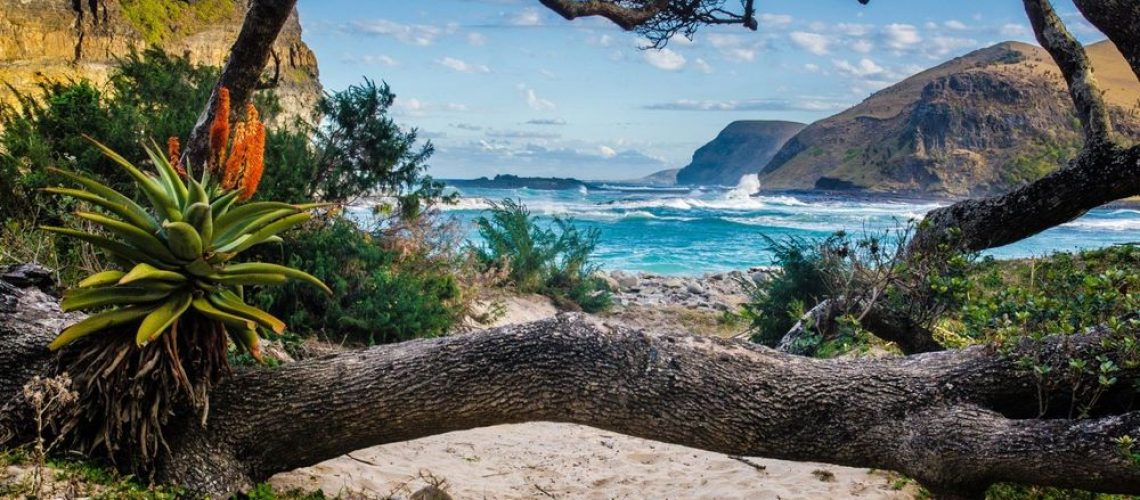
Africa is a continent of breathtaking contrasts.
From towering mountains and endless deserts to lush rainforests, sparkling lakes, and dramatic coastlines, it offers some of the world’s most unforgettable natural scenery. While iconic wildlife often takes center stage, Africa’s landscapes are equally deserving of attention. Every region tells a unique story through its geography, culture, and biodiversity, making the continent a dream destination for photographers, adventurers, and nature lovers alike.
Whether you are planning your next journey or simply exploring from afar, these remarkable landscapes showcase Africa at its most spectacular.
1. The Namib Desert, Namibia
Stretching along Namibia’s Atlantic coast, the Namib Desert is considered one of the oldest deserts on Earth. Its towering red sand dunes, some rising over 300 meters, create a surreal landscape unlike anywhere else.
One of the most photographed locations is Deadvlei, where centuries-old camel thorn trees stand frozen in time against brilliant white clay pans and vivid orange dunes. Sunrise and sunset transform the desert into a masterpiece of shifting colors, making it a favorite destination for photographers.
Despite its harsh conditions, the Namib supports surprisingly diverse wildlife, including oryx, desert-adapted elephants, and unique reptiles specially evolved for desert life.
2. Victoria Falls, Zambia and Zimbabwe
Known locally as “The Smoke That Thunders,” Victoria Falls is one of Africa’s greatest natural wonders. The Zambezi River plunges more than 100 meters into a narrow gorge, creating enormous clouds of mist visible from miles away.
Visitors can admire the falls from scenic viewpoints, take helicopter flights for panoramic views, or experience the thrill of walking near the edge during the dry season. Rainbow-filled mist, roaring water, and surrounding rainforest combine to create an unforgettable spectacle.
The falls are not only visually stunning but also hold deep cultural and historical significance for local communities.
3. Mount Kilimanjaro, Tanzania
Standing at 5,895 meters, Mount Kilimanjaro is Africa’s highest peak and one of the world’s most famous mountains. Unlike many major summits, it can be climbed without technical mountaineering skills, attracting thousands of hikers each year.
The journey to the summit passes through multiple climate zones, beginning with lush rainforest, continuing through moorlands and alpine deserts, and ending on icy glaciers. Few places on Earth offer such dramatic ecological diversity within a single climb.
Even for those who never attempt the ascent, Kilimanjaro’s snow-capped summit rising above the surrounding plains is an unforgettable sight.
4. The Okavango Delta, Botswana
Unlike most river systems, the Okavango River empties into the Kalahari Desert instead of reaching the sea, creating one of the world’s largest inland deltas.
Each year, seasonal floodwaters transform dry grasslands into a maze of channels, lagoons, and islands teeming with wildlife. Visitors glide silently through the waterways in traditional mokoro canoes while spotting elephants, hippos, crocodiles, and hundreds of bird species.
The delta represents one of Africa’s greatest conservation success stories, balancing tourism with environmental protection.
5. The Drakensberg Mountains, South Africa and Lesotho
Meaning “Dragon Mountains,” the Drakensberg range features dramatic cliffs, rolling green valleys, waterfalls, and ancient rock art created by the San people thousands of years ago.
Hiking trails lead visitors through breathtaking scenery filled with wildflowers, crystal-clear streams, and panoramic viewpoints. The region also supports diverse birdlife, including endangered species found nowhere else.
Whether viewed from mountain passes or explored on foot, the Drakensberg offers some of southern Africa’s finest natural beauty.
6. The Sahara Desert
Covering much of North Africa, the Sahara is the world’s largest hot desert. Although often imagined as endless sand dunes, it also includes rocky plateaus, mountains, salt flats, and hidden oases.
Camel caravans crossing golden dunes evoke centuries of trade and exploration, while the night sky reveals millions of stars thanks to minimal light pollution.
Countries including Morocco, Algeria, Egypt, Tunisia, and Mauritania each showcase unique sections of this immense desert landscape, making every journey different.
7. Nyungwe Forest, Rwanda
Hidden among Rwanda’s rolling hills lies Nyungwe Forest, one of Africa’s oldest and most biologically diverse rainforests.
The forest is home to chimpanzees, monkeys, orchids, butterflies, and hundreds of bird species. Visitors can experience its famous canopy walkway suspended high above the forest floor, offering spectacular views across dense green treetops.
Mist-covered mountains and rich biodiversity make Nyungwe one of East Africa’s most enchanting natural destinations.
8. Blyde River Canyon, South Africa
Often overshadowed by more famous global canyons, Blyde River Canyon ranks among the largest green canyons in the world.
Towering cliffs, lush vegetation, waterfalls, and winding rivers create magnificent viewpoints such as God’s Window and the Three Rondavels. The canyon changes appearance throughout the day as sunlight highlights different rock formations and valleys.
Its accessibility and scenic drives make it popular with both road-trippers and nature enthusiasts.
9. Lake Malawi
Bordered by Malawi, Mozambique, and Tanzania, Lake Malawi is renowned for its crystal-clear waters and extraordinary diversity of colorful cichlid fish.
Golden beaches, rocky islands, and surrounding mountains create an idyllic setting for kayaking, snorkeling, sailing, and relaxation. Local fishing villages add cultural richness to the area’s natural charm.
The lake’s calm beauty offers a refreshing contrast to Africa’s deserts and mountains.
10. Simien Mountains, Ethiopia
The Simien Mountains feature dramatic escarpments, deep valleys, jagged peaks, and sweeping plateaus that seem almost otherworldly.
Recognized as a UNESCO World Heritage Site, the region is home to rare wildlife including the Gelada baboon, Ethiopian wolf, and Walia ibex. Hiking through the mountains rewards visitors with breathtaking vistas and encounters with unique ecosystems found nowhere else.
For adventure travelers, the Simien Mountains remain one of Africa’s hidden gems.
Why Africa’s Landscapes Matter
Africa’s scenic landscapes are more than beautiful places, they are vital ecosystems supporting millions of people, countless wildlife species, and centuries of cultural heritage. Responsible tourism helps preserve these environments while creating sustainable opportunities for local communities.
From the icy summit of Kilimanjaro to the endless dunes of the Namib, from rainforest canopies to powerful waterfalls, Africa demonstrates an astonishing variety of natural wonders rarely matched anywhere else on Earth.
Final Thoughts
Africa’s landscapes remind us that beauty comes in many forms. Every mountain, forest, canyon, lake, and desert offers a different perspective on the continent’s incredible diversity. Whether you seek adventure, photography, wildlife, or peaceful escape, Africa provides experiences that leave lasting memories.
As sustainable tourism continues to grow, these extraordinary destinations offer travelers the chance not only to witness nature at its finest but also to contribute to its protection. The next time you dream of remarkable scenery, look to Africa, a continent where every horizon tells a story and every journey reveals another masterpiece crafted by nature.
