

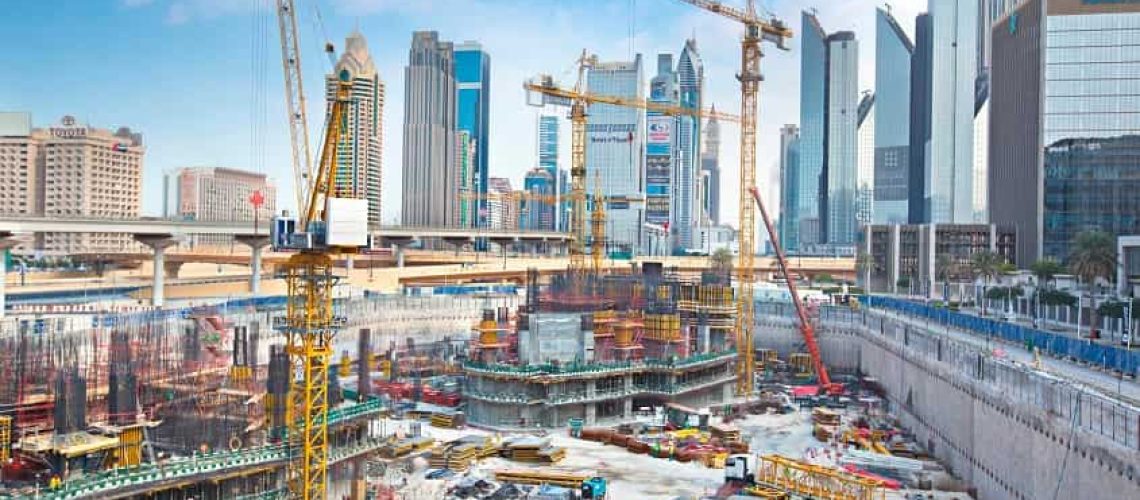
Infrastructure Investments Transforming Cities: Building Smarter, More Resilient Urban Futures
Urbanization is accelerating at an unprecedented pace. By 2050, nearly 70% of the world’s population is expected to live in urban areas, placing enormous pressure on transportation systems, utilities, housing, healthcare, and public services. As cities grapple with population growth, climate risks, and technological disruption, infrastructure investment has emerged as one of the most important drivers of sustainable urban development.
Today’s infrastructure projects extend far beyond roads and bridges. They encompass intelligent transportation systems, renewable energy networks, digital connectivity, water management, resilient buildings, and data-driven public services. Governments, private investors, and development institutions increasingly recognize that strategic infrastructure investment not only improves quality of life but also strengthens economic competitiveness and long-term resilience.
The Expanding Definition of Urban Infrastructure
Traditional infrastructure focused primarily on physical assets such as highways, railways, airports, power plants, and water systems. Modern cities, however, require integrated infrastructure capable of supporting digital economies and sustainable growth.
Contemporary urban investments typically include:
- Smart transportation networks
- High-speed broadband infrastructure
- Renewable energy generation and distribution
- Intelligent traffic management systems
- Digital public services
- Green buildings and sustainable housing
- Flood control and climate adaptation infrastructure
- Waste recycling and circular economy facilities
The integration of digital technologies into physical infrastructure enables cities to operate more efficiently while improving service delivery for residents and businesses alike.
Transportation Infrastructure Driving Economic Growth
Transportation remains the backbone of urban development. Investments in roads, rail systems, ports, airports, and public transit improve mobility, reduce logistics costs, and stimulate economic activity.
Modern transportation projects increasingly leverage technologies such as Internet of Things (IoT) sensors, artificial intelligence, and predictive analytics to optimize traffic flow and reduce congestion. Smart traffic signals, connected vehicles, and real-time transit information help commuters make informed travel decisions while minimizing delays.
For rapidly growing African cities, expanding transport infrastructure is particularly critical. Investments in bus rapid transit systems, urban rail networks, and improved road connectivity can reduce travel times, lower vehicle operating costs, and enhance access to employment opportunities.
Digital Infrastructure Is Becoming Essential
Digital connectivity is now considered fundamental infrastructure rather than a luxury. High-speed internet, fiber-optic networks, cloud computing facilities, and expanding mobile broadband provide the foundation for digital economies.
Reliable digital infrastructure supports:
- Remote work and hybrid workplaces
- E-commerce growth
- Digital financial services
- Online education
- Telemedicine
- Smart city applications
- Government digital transformation
Cities with robust digital infrastructure are better positioned to attract technology companies, foster innovation, and improve public service delivery.
Smart Cities Powered by Data
One of the most significant trends in urban infrastructure is the emergence of smart cities. These cities use sensors, connected devices, artificial intelligence, and advanced analytics to monitor and optimize urban operations.
Examples include intelligent street lighting that reduces electricity consumption, smart parking systems that minimize traffic congestion, and digital platforms that enable citizens to report infrastructure issues in real time.
Data collected from these systems allows city administrators to make evidence-based decisions, allocate resources more efficiently, and respond quickly to emerging challenges.
However, maximizing the value of smart city initiatives requires strong governance, cybersecurity measures, and clear data privacy frameworks.
Sustainable Infrastructure for Climate Resilience
Climate change has intensified the need for resilient infrastructure capable of withstanding extreme weather events, rising temperatures, and changing rainfall patterns.
Cities are increasingly investing in:
- Renewable energy projects
- Flood mitigation systems
- Green roofs and urban forests
- Water conservation technologies
- Sustainable drainage systems
- Energy-efficient public buildings
These investments not only reduce environmental impacts but also lower long-term operating costs and improve urban resilience.
Infrastructure planning that incorporates climate adaptation from the outset is becoming a strategic necessity rather than an optional consideration.
Africa’s Infrastructure Opportunity
Africa presents one of the world’s most significant infrastructure investment opportunities. Rapid urbanization, a young population, and expanding digital adoption are driving demand for modern infrastructure across the continent.
Major investments are underway in transportation corridors, renewable energy, telecommunications, industrial parks, and logistics hubs. Digital payment systems and expanding mobile connectivity are enabling innovative public and private services that support inclusive economic growth.
Despite this progress, financing gaps, regulatory complexity, maintenance challenges, and project execution risks continue to constrain infrastructure development in many regions. Addressing these issues requires stronger public-private partnerships, transparent procurement processes, and long-term planning.
Investment Strategies for Long-Term Impact
Successful infrastructure investment extends beyond project construction. Long-term value depends on effective planning, maintenance, financing, and performance monitoring.
Technology professionals and infrastructure planners increasingly rely on digital twins, predictive maintenance systems, geographic information systems (GIS), and advanced analytics to optimize infrastructure performance throughout its lifecycle.
Integrating sustainability metrics, resilience planning, and stakeholder engagement into project design helps maximize economic and social returns while reducing operational risks.
Conclusion
Infrastructure investment is reshaping cities by improving mobility, expanding digital connectivity, strengthening resilience, and supporting sustainable economic development. As urban populations continue to grow, cities must invest not only in traditional physical assets but also in intelligent systems that enable efficient, data-driven governance.
For technology and infrastructure professionals, the future lies in integrating engineering expertise with digital innovation. Smart transportation, resilient utilities, connected public services, and sustainable design will define the next generation of urban development.
Cities that prioritize strategic, technology-enabled infrastructure investment today will be better equipped to meet tomorrow’s economic, environmental, and social challenges. In an increasingly interconnected world, infrastructure is no longer simply about building assets, it is about creating adaptive, resilient ecosystems that empower people, businesses, and communities to thrive.
