

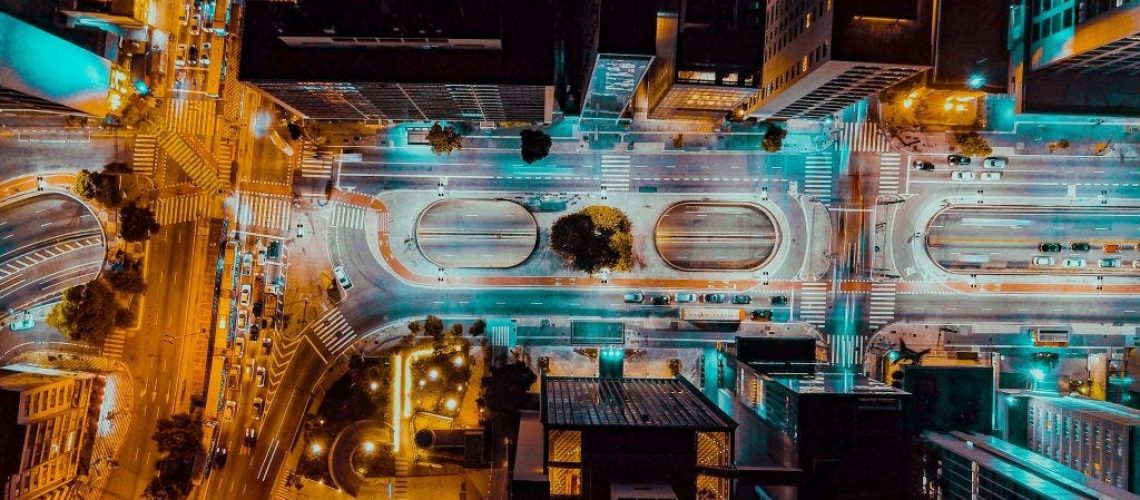
A city does not stop functioning when the sun goes down.
Shops remain open, workers travel home, restaurants serve customers, public transport continues, and communities still need safe spaces to move and interact. In many African cities, however, inadequate street lighting can make nighttime movement more difficult and discourage economic and social activities.
Well-planned street lighting can change this experience. Beyond simply illuminating roads, effective lighting can improve visibility, support local businesses, encourage mobility, and contribute to a stronger sense of safety.
Improving Night-Time Safety
One of the most important benefits of street lighting is improved visibility.
Well-lit roads, sidewalks, intersections, bus stops, and public spaces make it easier for pedestrians and drivers to see their surroundings. Better visibility can help people identify obstacles, approaching vehicles, and other potential hazards.
Lighting alone cannot eliminate crime, but poorly lit areas can create conditions where people feel vulnerable. Consistent illumination can therefore contribute to a stronger perception of safety while supporting other community safety measures.
Supporting Night-Time Businesses
Street lighting can also contribute to the local economy.
When streets are properly illuminated, customers may feel more comfortable visiting restaurants, shops, markets, entertainment venues, and other businesses after dark. Vendors and small businesses can potentially extend their operating hours when their surroundings are safer and more accessible.
For cities with active evening economies, lighting can therefore become part of broader economic development planning.
Making Walking More Practical
Walking is an important part of urban transportation, particularly in cities where many residents rely on public transport and travel partly on foot.
Lighting along sidewalks, pedestrian crossings, footpaths, and transport connections can make nighttime journeys more comfortable.
A well-lit pedestrian route can connect residential communities with markets, workplaces, schools, transport stations, and commercial areas.
Improving Road Safety
Street lighting also has an important transportation role.
Drivers need adequate visibility to identify pedestrians, cyclists, road markings, intersections, potholes, and other vehicles. Properly positioned lighting can improve visibility at locations where nighttime road users face greater risks.
Lighting should be combined with other road-safety measures, including clear markings, functioning traffic signals, pedestrian crossings, and appropriate speed management.
Encouraging Public Life After Dark
Public spaces can become more useful when people can safely access them beyond daylight hours.
Parks, waterfronts, public squares, community centres, and recreational areas can support evening activities when lighting is carefully designed.
This can encourage residents to spend more time in shared spaces, strengthening social interaction and making neighborhoods feel more active.
Supporting Public Transportation
Night-time transportation depends heavily on visibility.
Bus stops, taxi areas, train stations, and other transport points should be adequately illuminated so passengers can identify vehicles, read signs, and navigate their surroundings.
For commuters who work late shifts, students attending evening programmes, and people returning home after dark, reliable lighting can make public transportation feel more accessible.
Smart Lighting Can Reduce Energy Waste
Modern cities do not necessarily need to keep every streetlight operating at maximum brightness throughout the night.
Smart lighting systems can use technologies such as timers, sensors, and remote monitoring to adjust lighting according to conditions and demand.
LED lighting can also provide energy-efficient illumination compared with older lighting technologies.
These approaches can help cities balance public safety, energy consumption, maintenance costs, and environmental goals.
Good Design Matters
More lighting does not automatically mean better lighting.
Poorly designed systems can create glare, illuminate the wrong areas, waste energy, or negatively affect nearby homes and natural environments.
Cities should consider factors such as light intensity, placement, spacing, pedestrian needs, road conditions, maintenance, and the surrounding environment.
The objective should be useful illumination rather than excessive brightness.
Maintenance Is Just as Important
Installing streetlights is only the beginning.
Broken bulbs, damaged poles, exposed wiring, and malfunctioning control systems can quickly undermine an otherwise effective lighting network.
Cities need reliable maintenance systems that allow residents to report faults and enable authorities to respond quickly.
Regular inspections can also help identify problems before they become major failures.
Lighting as Part of Smarter Urban Planning
Street lighting works best when it is integrated into broader urban planning.
Cities can combine lighting improvements with better sidewalks, public transportation, drainage, road infrastructure, pedestrian crossings, security measures, and public-space development.
This creates a more complete nighttime environment rather than treating streetlights as isolated infrastructure.
Conclusion
Street lighting can play a major role in shaping how people experience a city after dark. By improving visibility, supporting businesses, encouraging walking, strengthening transport connections, and making public spaces more usable, effective lighting can contribute to safer and more active urban communities.
For rapidly growing African cities, investing in well-designed and properly maintained lighting can be an important step toward creating urban environments that remain functional, accessible, and welcoming throughout the day and night.
