

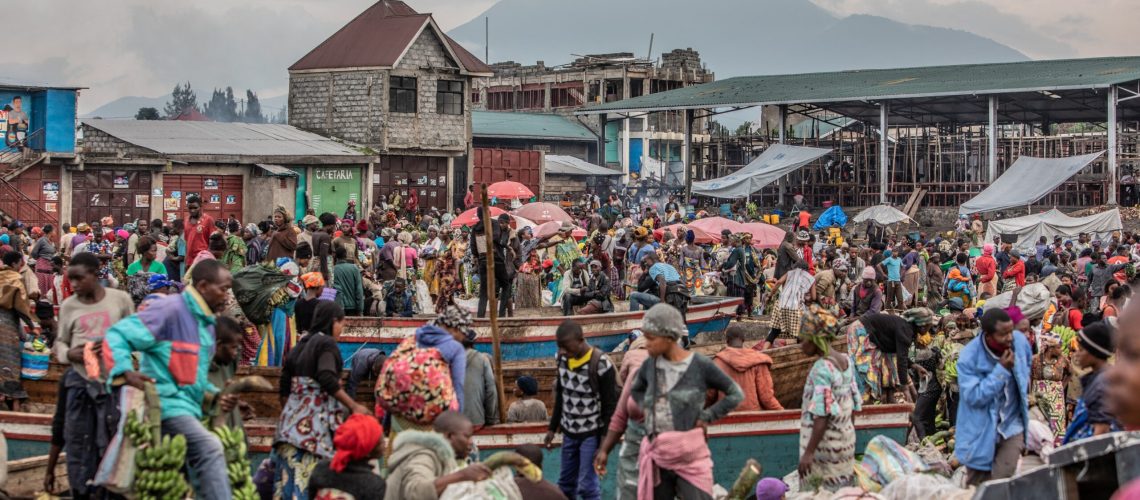
Before many African cities fully wake up, their markets are already alive.
While most people are still sleeping, traders are arranging vegetables, loading goods, preparing food, negotiating prices, and welcoming the first customers of the day. Behind this familiar morning scene are thousands of people whose work keeps households, restaurants, retailers, and entire communities supplied.
From Lagos and Accra to Nairobi and markets across West Africa, early-morning trading represents far more than buying and selling. These markets bring together farmers, wholesalers, retailers, transporters, food vendors, porters, cleaners, and countless small business owners.
In fact, traditional food markets play important economic and social roles across Africa. Research shows that traders contribute to food availability, access, and local food security, while markets also create spaces for social interaction and cooperation.
The Traders Who Arrive Before Sunrise
The day often begins long before customers arrive.
Many traders wake up early to travel to wholesale markets, farms, distribution points, or transport hubs. They need to secure fresh products before prices change or supplies become limited.
For food vendors, timing matters even more. A vendor preparing breakfast may need to buy tomatoes, onions, peppers, grains, meat, fish, or vegetables before opening a stall.
The work requires planning, physical effort, and constant attention to prices.
For example, the FAO has documented the experience of a Ghanaian street-food vendor whose day begins at 5 a.m. She travels to the local market to buy ingredients before opening her food kiosk several hours later.
Therefore, when customers buy breakfast from a roadside vendor, they often see only the final stage of a much longer process.
Women at the Heart of Market Life
Women play a particularly important role in many African food markets.
They sell vegetables, grains, fruits, cooked food, fish, spices, household products, and countless other items. Research on traditional food markets across Africa highlights women’s roles as both vendors and consumers.
In Ghana, for instance, female traders have historically formed organized groups that help members manage business challenges and provide social support. Researchers have also found that these associations can serve important safety-net functions.
Similarly, studies of Lagos markets show the significant presence of women traders and the complex relationships they maintain with market associations, landlords, government agencies, and other traders.
However, market life does not always provide equal opportunities. Women can face challenges involving access to trading spaces, finance, childcare, infrastructure, and market governance.
Despite these obstacles, many continue to build businesses and support their families through trading.
The Farmers Connecting Rural Areas to Cities
The people behind early-morning markets also include farmers who may never operate a stall themselves.
Their products begin the journey in rural communities. Farmers grow tomatoes, peppers, onions, maize, cassava, plantains, vegetables, fruits, and other crops. Traders then purchase these products and move them toward towns and cities.
Consequently, the market becomes a meeting point between rural production and urban consumption.
A customer buying a basket of tomatoes may only see the seller. However, that product may have already passed through several hands before reaching the stall.
These connections help keep food moving across regions and borders. In West Africa, recent OECD research covering more than 3,200 food traders across 32 markets found extensive trading networks and significant cross-border activity.
The Transporters Who Keep Everything Moving
Markets cannot function without transportation.
Before sunrise, drivers, motorcycle operators, tricycle riders, truck operators, and other transport workers move goods from farms, warehouses, ports, and wholesale centers.
They often work under pressure because delays can affect product quality and selling prices.
Fresh produce presents an especially difficult challenge. Vegetables, fruits, fish, meat, and other perishables need careful handling and timely delivery.
At the same time, poor roads, congestion, limited storage facilities, and inadequate market infrastructure can increase costs for traders. Research on African food markets consistently identifies infrastructure and transport limitations as important challenges.
Therefore, the person driving a truck before dawn may be just as important to the market as the person standing behind the stall.
The Porters Carrying the Weight
Walk through a busy market early in the morning and you will quickly notice people carrying heavy loads.
Porters move bags, boxes, baskets, crates, and other goods between vehicles and stalls. Their work may appear simple, but it requires strength and endurance.
They help traders save time by moving goods quickly through crowded spaces.
In some markets, porters also help elderly customers or shoppers who cannot carry heavy purchases themselves.
Although they rarely receive attention, their contribution keeps the entire marketplace moving.
The Food Vendors Preparing the City for the Day
Early-morning markets also support another important group: food vendors.
Some arrive with prepared meals, while others buy ingredients at the market and prepare food nearby.
Breakfast sellers, roadside cooks, restaurant suppliers, bakers, and snack vendors depend on early access to fresh ingredients.
Their work helps feed workers, students, drivers, traders, and commuters throughout the day.
Moreover, food vending provides an important source of income for many people. In Ghana, for example, FAO research has documented street-food businesses that have provided long-term employment rather than serving merely as temporary sources of income.
The Market Leaders and Associations
Behind the visible activity, markets often have their own systems of organization.
Trader associations can help members coordinate activities, resolve disputes, communicate with authorities, and respond to emergencies.
In Ghana, researchers found that female-led trader associations can provide important support networks for their members.
However, these systems can also create tensions. Studies of Lagos markets, for example, show that traders may face complicated relationships involving market leadership, government authorities, fees, ownership, and access to trading spaces.
As a result, understanding a market requires more than looking at the products on display. It also requires understanding the people and institutions that organize daily trading.
The Cleaners Who Arrive After the Rush
Cleaners and waste workers also play an essential role.
Markets generate large amounts of waste, particularly when traders sell fresh food. Vegetable leaves, fruit peels, packaging, spoiled produce, and other materials can quickly accumulate.
Without regular cleaning, markets can become difficult and unsafe places to work and shop.
Yet sanitation workers often remain invisible to customers. Their contribution becomes noticeable mainly when they stop working.
Better waste management, drainage, sanitation facilities, and market infrastructure can therefore improve conditions for everyone who depends on these spaces.
Markets Are More Than Places to Shop
Early-morning markets also serve an important social purpose. People exchange information, build relationships, negotiate deals, share news, and support one another. Traditional markets can function as community spaces where people interact beyond purely commercial transactions.
For some traders, the market represents a family tradition. A parent may introduce a child to trading, who later develops the business or starts a new one.
For others, the market provides an entry point into entrepreneurship when formal employment opportunities remain limited.
The result is an environment where commerce and community life often overlap.
The Economic Power of Everyday Trading
It is easy to underestimate small traders because many operate informally. However, informal markets contribute significantly to African economies. Recent OECD research on West African food trade found that the sector remains predominantly informal while supporting extensive commercial activity across countries and borders.
These businesses also create employment beyond the trader.
A successful food seller may purchase from farmers, employ assistants, pay transporters, use local storage, buy packaging, and purchase services from other businesses.
Therefore, one small market stall can connect several parts of the local economy.
The Human Story Behind the Market
When a market opens at dawn, hundreds of individual stories come together. There is the farmer hoping for a good price. There is the trader trying to protect a small profit. There is the driver rushing to deliver fresh produce. There is the porter carrying heavy goods. There is the food vendor preparing breakfast.
There are also the cleaner maintaining the space, the market leader organizing traders, and the customer searching for affordable food for the family.
Each person performs a different role, yet they depend on one another.
Why These People Deserve More Recognition
Africa’s markets often receive attention for their colors, noise, bargaining culture, and variety of products. However, the people behind that activity deserve equal attention.
They work long hours, respond quickly to changing prices, manage uncertain supplies, and serve customers regardless of weather or economic conditions.
More importantly, they help connect producers with consumers and keep food moving through communities.
Supporting these workers does not simply mean buying from them. It also means improving market infrastructure, expanding access to finance, strengthening transportation systems, improving sanitation, and creating policies that recognize the realities of small-scale traders.
The Market Starts With People
The next time you walk through an African market in the early morning, look beyond the products. Notice the farmer who brought the produce. Watch the transporter unloading goods. Observe the trader arranging merchandise. Notice the porter carrying a heavy load and the food vendor preparing the first meals of the day.
Together, these people create the rhythm of the market.
Africa’s early-morning markets do not simply open with the sunrise. They come alive because thousands of people choose to show up, work hard, trade, serve, and keep their communities moving.
