

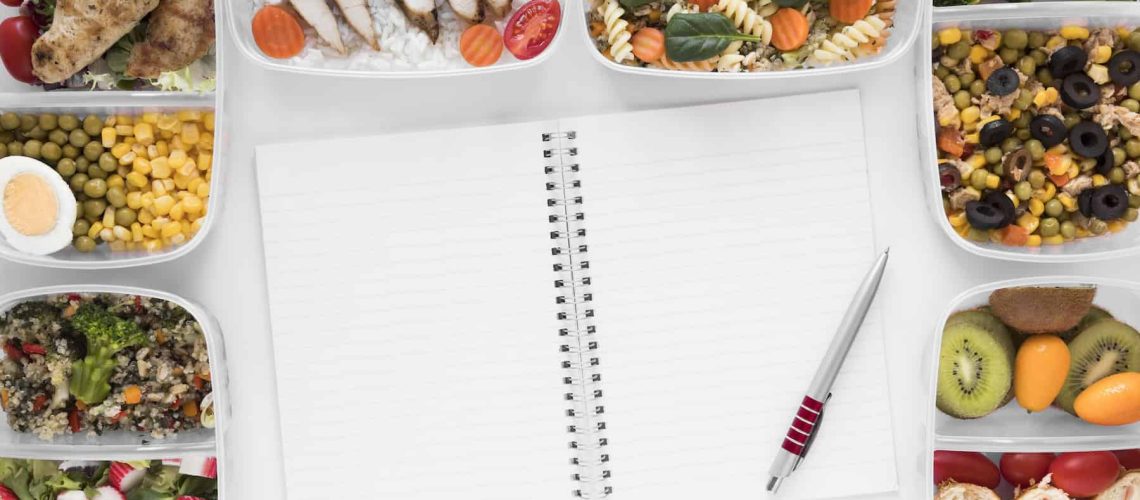
Busy family life can make mealtimes feel like another demanding task on an already crowded schedule.
Between work, school, errands, household responsibilities, and unexpected changes, deciding what to cook every day can become stressful. Without a simple system, families may rely heavily on takeout, skip balanced meals, waste groceries, or spend more money than necessary.
The good news is that meal planning does not have to mean preparing elaborate menus for every day of the month. A practical system should make family life easier, not create another burden. With a few simple habits, families can organize meals, reduce food waste, save money, and spend less time wondering what to cook.
Why Meal Planning Matters for Busy Families
Meal planning creates structure around one of the most regular parts of family life: eating. Instead of making food decisions several times a day, families can make most of those decisions in advance.
A good meal plan can help families:
- Reduce unnecessary grocery purchases.
- Make better use of food already available at home.
- Save time during busy weekdays.
- Reduce dependence on expensive last-minute meals.
- Create more balanced family meals.
- Reduce food waste.
- Share cooking responsibilities more fairly.
For families managing busy schedules, the biggest benefit may simply be peace of mind. Knowing what dinner will be before the evening rush begins removes one more decision from the day.
Start With a Weekly Meal Map
One of the easiest systems is a simple seven-day meal map. Choose meals for the week before shopping rather than buying groceries first and deciding what to do with them later.
The plan does not need to be complicated. For example, you might assign:
- Monday: Rice-based meal
- Tuesday: Beans or legumes
- Wednesday: Pasta or noodles
- Thursday: Swallow and soup
- Friday: Fish or chicken meal
- Saturday: Family favourite
- Sunday: Special or larger family meal
The goal is not to follow the plan perfectly. It provides a framework that can be adjusted when plans change.
Create a List of Family Favourites
Every family has meals that most people enjoy. Write these meals down and build your planning system around them.
A list of 15 to 30 reliable meals can make weekly planning much faster. When you are short on time, choose from the list instead of starting from scratch.
Your list could include meals such as jollof rice, fried rice, beans and plantain, yam and egg sauce, vegetable soup, chicken stew, pasta, potatoes, rice and beans, or other meals your household regularly enjoys.
You can also divide the list into categories such as quick meals, weekend meals, budget meals and freezer-friendly meals.
Plan Around Your Family’s Schedule
A common meal-planning mistake is choosing meals without considering how busy each day will be.
Instead, look at the week’s schedule first.
If Wednesday includes work deadlines, school activities and evening errands, it may not be the best day for a meal that requires two hours of preparation. Choose something faster or prepare part of the meal earlier.
Save more demanding meals for days when the family has more time.
This approach makes meal planning practical because it connects food preparation to real life rather than an ideal schedule.
Use Batch Cooking
Batch cooking can dramatically reduce the amount of time spent in the kitchen during busy weeks.
Instead of preparing every meal from scratch, cook larger quantities of foods that store well. For example, a family might prepare a large pot of stew, cook beans in bulk, wash and portion vegetables, or prepare several servings of a protein.
Store the portions properly and use them across different meals.
One preparation can therefore support several meals during the week.
The key is variety. Batch cooking does not mean eating exactly the same plate every day. A prepared stew, for example, can accompany rice, yam, potatoes or another suitable staple.
Keep an Emergency Meal List
Even the best meal plan can fail when unexpected things happen.
Someone may arrive home late. A child may have an evening activity. You may feel too tired to cook. The power supply may change your plans. Guests may arrive unexpectedly.
An emergency meal list prevents these situations from turning into expensive food purchases.
Keep a few meals that are quick and require minimal preparation. These might include eggs with bread, noodles with vegetables and protein, rice with previously prepared stew, sandwiches, oats or another convenient family option.
Having these meals available provides a safety net for difficult days.
Build a Flexible Grocery List
Once the weekly meals are selected, create a grocery list based on those meals.
Organize the list into categories such as:
- Grains and staples
- Protein
- Vegetables
- Fruits
- Dairy and other refrigerated items
- Snacks
- Household essentials
Before shopping, check the kitchen, refrigerator and storage areas. You may already have several items on the list.
This simple habit prevents duplicate purchases and helps families use food before it expires.
Make Food Preparation Easier
Meal planning works best when preparation is also organized.
Choose a convenient time each week to handle small preparation tasks. Depending on the household, this might involve washing vegetables, cutting ingredients, portioning meat, cooking beans, preparing sauces or organizing food containers.
You do not need to prepare everything in advance. Even 30 to 60 minutes of preparation can make weekday cooking easier.
Families can also divide preparation responsibilities. Older children can help with safe age-appropriate tasks, while adults handle cooking and more demanding work.
Use a Two-Level Meal Plan
Another useful approach is to create two meal plans: a main plan and a backup plan.
The main plan contains the meals you expect to prepare. The backup plan contains simple alternatives for days when circumstances change.
For example:
Main meal: Chicken and rice
Backup: Eggs, bread and vegetables
Main meal: Beans and plantain
Backup: Pasta with prepared sauce
This system provides structure without making the family feel trapped by a rigid schedule.
Plan for Leftovers
Leftovers should be part of the system rather than an afterthought.
When preparing food, consider whether the remaining portions can become another meal. Properly stored leftovers can reduce cooking time and prevent good food from being thrown away.
For example, leftover rice may become part of a quick fried rice meal, while extra stew can support another staple the following day.
Always store leftovers safely and use them within an appropriate period.
Set a Realistic Food Budget
Meal planning also creates an opportunity to control household food spending.
Before shopping, determine how much the family can reasonably spend. Then prioritize essential foods and meals.
A budget does not mean choosing the cheapest food at all times. It means spending intentionally.
Families can compare prices, buy frequently used staples in suitable quantities, take advantage of seasonal produce and reduce impulse purchases.
Bulk buying can also be useful when the price is reasonable and the household has enough storage space. However, buying large quantities only makes sense when the family can actually use the food before it spoils.
Make the System Flexible
The best meal plan is not the one that looks perfect on paper. It is the one that a busy family can actually maintain.
Plans will change. Work schedules will shift. Children will have unexpected activities. Some days will simply be more tiring than others.
Allowing flexibility prevents meal planning from becoming another source of stress.
A family might plan five meals instead of seven and leave two days open for leftovers, spontaneous meals or unexpected changes.
Turn Meal Planning Into a Family Routine
Meal planning becomes easier when it becomes a shared household habit.
Choose one regular day for planning. Sit down for a few minutes, review the upcoming schedule, discuss meals, check available food and prepare the shopping list.
Family members can contribute ideas. Children can choose between two suitable meals, while adults manage nutrition, budgeting and preparation.
Over time, the process becomes faster because the family already understands how it works.
Final Thoughts
Practical meal planning is not about creating a perfect menu. It is about reducing unnecessary decisions and making everyday family life easier. A simple weekly meal map, a list of favourite meals, batch preparation, emergency options, organized grocery shopping and flexible scheduling can transform the way a household approaches food.
The most effective system is one that fits the family’s budget, culture, schedule, cooking habits and available resources. Start small, adjust as needed and focus on consistency rather than perfection.
When meal planning becomes a routine, families can spend less time worrying about what to cook and more time enjoying meals together.
