

Running several errands in different locations can quickly turn a simple outing into a tiring and time-consuming journey.
However, with a little planning, you can combine multiple stops into one efficient trip, saving time, fuel, money, and energy. Whether you need to visit a supermarket, pharmacy, bank, post office, market, or pick up an order, grouping your stops strategically can make your day much easier.
Why Combining Stops Makes Sense
Making separate trips for every task creates unnecessary travel. You may spend more money on transportation, encounter traffic several times, and waste valuable hours moving between places.
Combining errands allows you to complete several tasks during one outing. It also reduces the number of times you need to leave home or work.
The key is not simply to put every errand on the same list. You need to arrange the stops in a logical order.
Start With Everything You Need to Do
Before leaving, write down every task you need to complete.
For example, your list might include:
- Buy groceries.
- Pick up a parcel.
- Visit the bank.
- Buy household supplies.
- Drop off clothes at the laundry.
- Collect medication.
- Pay a bill.
Once you have the complete list, look at where each task takes place.
You may discover that several stops are close to one another and can easily be handled during the same trip.
Group Stops by Location
Location should be one of your biggest considerations.
Instead of travelling from one end of town to another and then returning, group errands that are in the same area.
For example, if your bank, supermarket, pharmacy, and parcel collection point are all within the same neighbourhood, handle them together.
This approach reduces unnecessary backtracking and helps you make better use of your transportation time.
Plan Your Route Before Leaving
A simple route can make a significant difference.
Look at your starting point and identify the most logical sequence for your stops. Consider traffic patterns, opening hours, parking availability, and the amount of time each task is likely to take.
You might arrange your trip like this:
Home → Bank → Market → Pharmacy → Parcel Pickup → Home
Rather than:
Home → Pharmacy → Bank → Home → Market → Parcel Pickup → Home
The second route involves unnecessary movement and may cost considerably more time.
Consider Opening and Closing Times
An efficient route is not useful if one of your stops is closed when you arrive.
Check the operating hours of businesses before leaving, especially if you are visiting banks, government offices, clinics, markets, or collection centres.
If one location opens later than the others, structure your trip around it. You can complete another nearby errand first and visit that location when it opens.
Put Time-Sensitive Stops First
Some errands have stricter deadlines than others.
For example, you may need to collect an item before a shop closes or submit a document before an office stops accepting customers.
Prioritise these tasks when planning your route.
Less urgent activities, such as browsing in a market or buying general household supplies, can usually come later.
Think About What You Are Carrying
Your route should also consider the weight and size of your purchases.
If you plan to buy heavy groceries, bottled drinks, cleaning products, or other bulky items, avoid making those purchases at the beginning of a long walking trip.
Instead, consider making them your final major stop before heading home.
This is particularly useful when using public transport or walking between locations.
Use Technology to Your Advantage
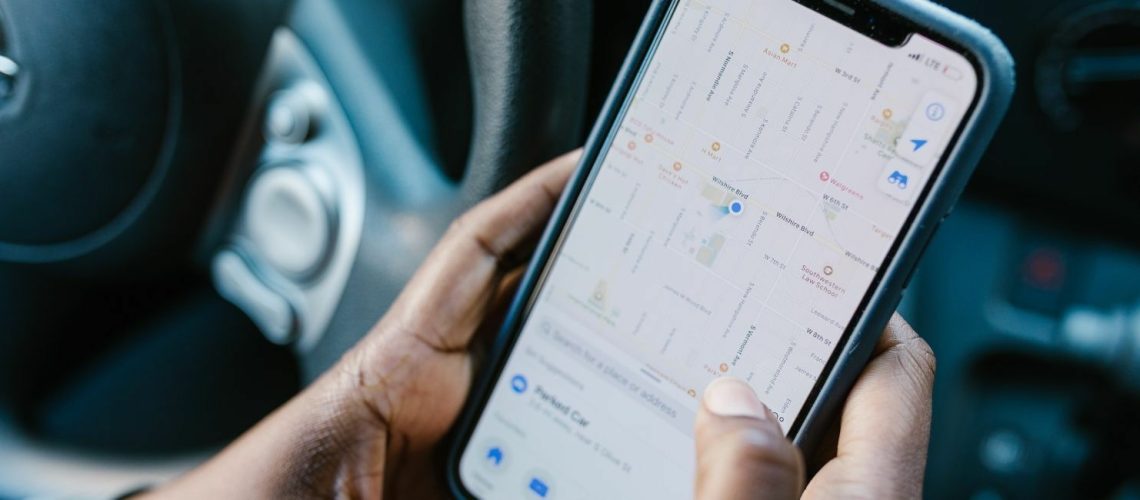
Navigation and map applications can help you identify nearby locations and estimate travel times.
Before leaving, check the route and look for potential traffic delays. You can also save frequently visited locations so that planning future trips becomes easier.
For regular errands, keep a simple list of the places you visit most often. This makes it easier to combine stops whenever you need to go out.
Leave Room for Unexpected Delays
Do not create a schedule so tight that one delay ruins the entire trip.
Traffic, long queues, unexpected crowds, or a delayed service can affect your plans. Give yourself some flexibility between important stops.
If you have several errands, completing the most important ones first ensures that your trip remains productive even if you run out of time.
Avoid Adding Unnecessary Stops
Combining errands does not mean adding every possible task to one trip.
If a stop is far away, takes a long time, or is not urgent, ask whether it genuinely belongs on the route.
Sometimes forcing an extra errand into a trip can make the entire journey less efficient.
The goal is to reduce unnecessary movement, not simply increase the number of tasks completed.
Create Regular Errand Routes
If you frequently visit the same places, develop standard routes.
For example, you might have a weekly shopping route that includes the supermarket, market, pharmacy, and household supply store.
You could also create a monthly administrative route for banking, document collection, and other formal tasks.
Having these routines reduces the amount of planning required each time.
Make One Trip Work Harder
An efficient trip is about making every movement count.
Before leaving home, ask yourself:
“What else can I complete while I am already in this area?”
That simple question can prevent unnecessary trips throughout the week. With better planning, several small errands can become one organised journey. You save transportation costs, reduce travel time, avoid unnecessary stress, and create more time for the things that matter.
The next time you have several errands to complete, do not immediately plan several separate trips. Look at your destinations, group nearby stops, arrange them logically, and make one well-planned journey instead.
