

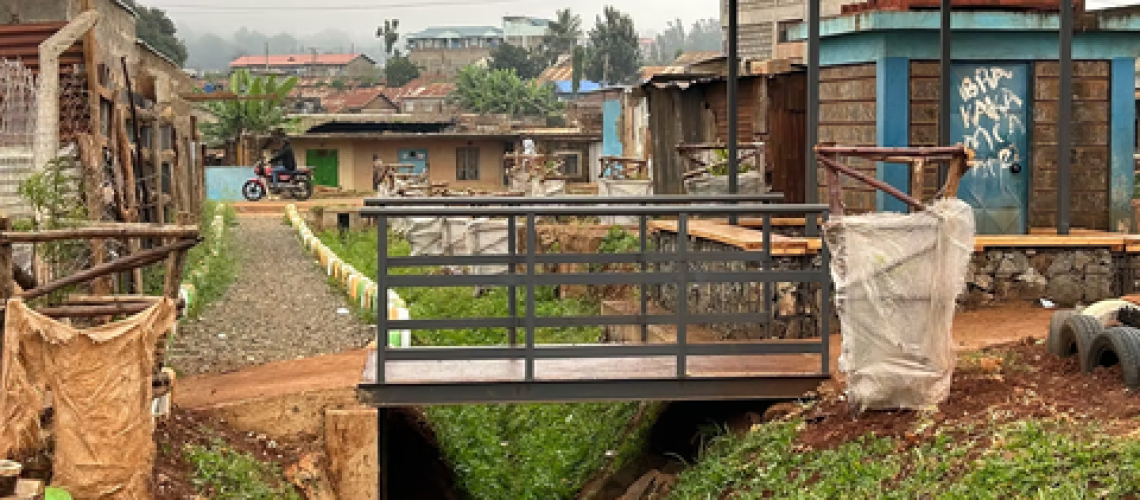
What Better Drainage Systems Mean for African Neighborhoods
In many African cities and towns, heavy rainfall can quickly turn ordinary streets into flooded roads. Water may collect around homes, overflow onto busy streets, damage businesses, and create difficult conditions for pedestrians and motorists.
Better drainage systems can change this situation significantly. Well-designed drains do more than move rainwater away. They can improve public health, protect property, support local businesses, and make neighbourhoods safer and more comfortable.
Reducing Flooding
One of the most obvious benefits of effective drainage is better flood control.
When rainwater has a clear path to flow away from residential areas and roads, it is less likely to accumulate in dangerous quantities. Properly designed drains can channel stormwater toward suitable outlets, reducing the pressure on streets and low-lying areas.
This becomes particularly important in rapidly growing urban neighbourhoods where roads, buildings, and paved surfaces prevent rainwater from naturally soaking into the ground.
Protecting Homes and Businesses
Flooding can cause expensive damage.
Water can enter homes, shops, warehouses, schools, and other buildings. It can damage furniture, electrical equipment, merchandise, documents, vehicles, and building materials.
For small businesses, even one serious flood can result in significant financial losses.
A reliable drainage network therefore acts as a form of protection for household property and local economic activity.
Improving Public Health
Poor drainage can create stagnant pools of water, especially when blocked drains prevent rainwater from flowing properly.
Standing water can contribute to mosquito breeding and create unpleasant environmental conditions. Floodwater can also become contaminated when it mixes with waste, sewage, or other pollutants.
Better drainage, combined with proper waste management and regular maintenance, can help create cleaner and healthier neighbourhoods.
Making Roads Safer
Flooded roads can become difficult and dangerous to use.
Motorists may struggle to see potholes or damaged sections of the road beneath standing water. Motorcycles and pedestrians can also face greater risks when roads become slippery or partially submerged.
Effective drainage helps protect roads from prolonged exposure to water and improves conditions for people moving through the community.
Supporting Local Businesses
Businesses depend on reliable access.
When flooding repeatedly cuts off streets or makes commercial areas difficult to reach, customers may stay away. Deliveries can also become more difficult, while employees may struggle to get to work.
Better drainage helps keep commercial areas accessible during and after heavy rainfall. This can support markets, shops, restaurants, workshops, and other local businesses.
Reducing Road Damage
Water is one of the major factors that can contribute to the deterioration of poorly protected roads.
When water remains on or beneath road surfaces, it can weaken the underlying structure. Repeated rainfall and traffic can then accelerate the development of potholes, cracks, and other damage.
Good drainage helps direct water away from vulnerable road surfaces and can therefore contribute to longer-lasting infrastructure.
Improving Neighbourhood Appearance
Drainage also affects how a neighbourhood looks and feels.
Open drains filled with rubbish, stagnant water, and mud can make an area unpleasant. Clean, properly constructed drainage channels create a more organised environment.
Covered drainage systems, where appropriate and safely designed, can also create additional usable space along roads and pedestrian areas.
Supporting Urban Growth
African cities are expanding rapidly, and infrastructure needs to keep pace with that growth.
New housing developments, commercial centres, roads, and paved areas can change how rainwater moves through an urban environment. If drainage is ignored during development, flooding problems can become more severe.
Drainage should therefore be considered when neighbourhoods are planned, rather than treated as an issue to address only after flooding begins.
Maintenance Matters as Much as Construction
Building a drainage system is only the beginning.
Drains can become ineffective when residents dump plastic bags, food waste, construction materials, and other rubbish into them. Soil, leaves, and sediment can also accumulate over time.
Local authorities and communities need regular inspection and maintenance programmes to keep drainage channels functioning properly.
Residents also have an important role to play by keeping waste out of drains and reporting blocked or damaged sections.
Better Drainage Requires Better Planning
Effective drainage is not simply about constructing larger gutters.
Engineers and urban planners need to consider rainfall patterns, terrain, population growth, road design, soil conditions, existing waterways, and future development.
Drainage networks should also connect logically so that water is moved safely rather than simply transferred from one flooded location to another.
A Long-Term Investment in African Communities
Better drainage systems can deliver benefits far beyond rainy seasons. They can protect homes, support businesses, improve road safety, reduce health risks, and contribute to cleaner and more resilient neighbourhoods.
As African communities continue to urbanise, drainage should be treated as essential infrastructure rather than an afterthought.
A neighbourhood that manages rainwater effectively is better prepared for heavy storms, protects its residents and businesses, and creates a stronger foundation for sustainable urban development.
