

How Churches, Associations and Community Groups Can Coordinate Food Purchases
Food is one of the biggest recurring expenses for families and communities. For churches, associations, cooperatives, resident groups and other community organizations, buying food individually can also mean paying higher prices, making frequent trips to markets and spending unnecessary time on transportation.
Coordinating food purchases offers a practical alternative. When several households or members combine their orders, they can purchase larger quantities, negotiate better prices and share transportation and distribution costs. With proper planning, group buying can make everyday food shopping more affordable and organized.
What Is Coordinated Food Purchasing?
Coordinated food purchasing happens when a group of people combines their food needs and places a collective order instead of everyone buying separately.
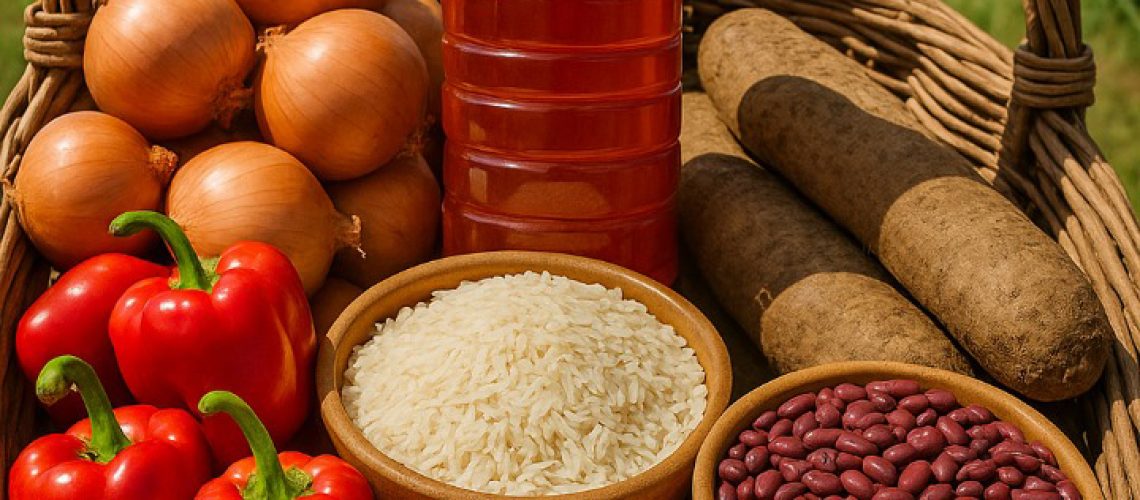
For example, a church with 50 families could organize a monthly food purchase covering items such as rice, beans, garri, vegetable oil, pasta and other household staples. Members contribute according to their orders, while a small purchasing team handles sourcing, payment, transportation and distribution.
The same approach can work for professional associations, landlords’ associations, cooperative societies, student groups and neighbourhood communities.
Why Group Food Purchases Make Sense
1. Larger Orders Can Attract Better Prices
Buying in larger quantities may give a group stronger bargaining power. Instead of purchasing a few bags or cartons at retail prices, the group can approach wholesalers, distributors, farmers or trusted suppliers with a larger order.
The savings can become significant when purchases are repeated regularly.
2. Transportation Costs Can Be Shared
Transporting food from a market, warehouse or supplier can add considerably to the final cost. A coordinated purchase allows several households to share one delivery or transportation arrangement.
This can reduce the amount each household spends on moving its food.
3. Members Save Time
A group purchasing system can reduce the number of individual market trips members need to make. Once the purchasing team has confirmed orders and payment, members can simply collect their allocated items at an agreed location.
For busy families and professionals, this can be a major convenience.
4. Communities Can Support Local Producers
Groups do not have to purchase exclusively from large wholesalers. They can work directly with farmers, food processors and local producers when the quantities and logistics make sense.
This can create a stronger connection between consumers and local food businesses while giving producers a more predictable market.
How Churches and Community Groups Can Organize the System
Start With a Small Group
There is no need to begin with hundreds of members. A church department, cooperative group, street association or small community committee can test the system with a manageable number of participants.
Starting small makes it easier to identify problems before expanding.
Identify Commonly Needed Foods
The purchasing team should first determine which products members regularly buy.
Common items may include:
- Rice
- Beans
- Garri
- Flour
- Semolina
- Vegetable oil
- Pasta
- Yam
- Potatoes
- Onions
- Seasonings
- Other household staples
The objective is not to force everyone to buy the same things. Instead, the group should identify enough common demand to make collective purchasing worthwhile.
Collect Orders Before Buying
A simple order system can prevent confusion. Members should state exactly what they want, how much they need and when payment will be made.
Digital forms, spreadsheets or a dedicated messaging group can make this process easier.
Most importantly, the group should avoid purchasing large quantities based on assumptions about what members will eventually want.
Compare Suppliers
The purchasing team should compare prices from several sources before placing an order.
Possible suppliers include wholesalers, open-market traders, distributors, supermarkets, food processors and farmers. Price should not be the only consideration. Quality, packaging, reliability, delivery arrangements and payment terms also matter.
A cheaper supplier may become more expensive if poor-quality products lead to waste.
Agree on Clear Payment Rules
Money management is one of the most important parts of coordinated purchasing.
The group should establish:
- How members will pay
- The payment deadline
- Who will receive the money
- Whether payment is required before purchasing
- How transportation costs will be divided
- What happens when a supplier changes a price
- How refunds will be handled
Clear rules reduce misunderstandings and protect relationships within the group.
Build Transparency Into the Process
Trust is essential when several people are contributing money toward a shared purchase.
The organizers should keep clear records of orders, payments, supplier prices, transportation expenses and distributions.
After every purchase, members should be able to understand how much was collected and how the money was spent. Even a simple summary shared with members can improve confidence in the system.
Create a Reliable Distribution System
Once the food arrives, distribution should be organized rather than improvised.
The group can designate a collection point such as a church premises, community hall, cooperative office or another secure location. Members can then collect their orders according to an agreed schedule.
For larger groups, organizers can assign collection times or organize household-level deliveries.
Proper labeling is also important. Each member’s order should be clearly identified to prevent items from being mixed up.
Consider a Monthly or Quarterly Schedule
A regular schedule can make group purchasing easier to manage.
For example, a community could collect orders during the first week of every month, purchase during the second week and distribute the food during the third week.
Not every food item needs to follow the same schedule. Perishable products may require more frequent purchases, while dry goods can be purchased in larger quantities less often.
Use Group Buying to Reduce Waste
Coordinated purchasing should not encourage people to buy more food than they can use.
Organizers should pay attention to household size, storage capacity and consumption patterns. Bulk buying works best when the savings from larger quantities are greater than the risk of spoilage or waste.
Groups can also provide guidance on proper storage, especially for grains, flour, oil and other products that need protection from moisture, pests and excessive heat.
Start With Trusted Leadership
Whether the group is a church, association or neighbourhood organization, someone must take responsibility for coordinating the process.
A small purchasing committee can divide responsibilities among several people. One person may manage orders, another may communicate with suppliers, another may track payments and another may oversee distribution.
Sharing responsibilities reduces the pressure on one individual and creates checks and balances.
The Bigger Opportunity
Coordinated food purchasing is more than a way to save money. It can become a practical community system for improving access to essential goods.
Churches can use it to support members during periods of rising living costs. Associations can negotiate better prices for their members. Community groups can reduce unnecessary trips to crowded markets. Cooperatives can develop relationships with farmers and food suppliers.
When organized properly, collective purchasing turns individual demand into collective buying power.
Conclusion
Churches, associations and community groups already have something that individual shoppers often lack: numbers. By combining their food orders, members can potentially negotiate better prices, share transportation expenses, save time and build stronger relationships with local suppliers.
The key is organization. Clear orders, transparent payments, reliable suppliers, proper record-keeping and an efficient distribution system can turn group food purchasing into a sustainable community practice.
Instead of every household shopping alone, communities can work together to make everyday food purchases more affordable, convenient and efficient.
