

How to Keep Household Supplies From Becoming Clutter
Household supplies are essential for everyday living, but without a simple storage system, they can quickly take over cupboards, shelves, drawers, and even corners of the home. Cleaning products, toiletries, food containers, paper goods, batteries, light bulbs, and other essentials often accumulate because people buy replacements before checking what they already have.
Keeping household supplies organised does not require a large home or expensive storage solutions. The key is to control what comes into the house, give every item a designated place, and regularly review what you actually need.
Start by Taking Inventory
Before buying more supplies, look at what you already have. Open cupboards, drawers, storage boxes, and other areas where household items are kept.
Group similar items together so you can see how much you own. You may discover that you have several unopened bottles of detergent, multiple packs of tissues, or more toiletries than your household can reasonably use.
An inventory also helps prevent unnecessary purchases and makes shopping more intentional.
Give Every Category a Home
Household supplies are easier to manage when similar items stay together. For example, cleaning products can occupy one cabinet, toiletries can have a designated shelf, and light bulbs, batteries, and small tools can share a practical storage box.
Choose storage locations based on how frequently you use each category. Everyday items should be easy to reach, while occasional supplies can go into less accessible storage areas.
The goal is simple: everyone in the household should know where an item belongs.
Avoid Buying More Than You Can Store
Bulk buying can save money, but buying too much can create another problem: clutter.
Before purchasing large quantities, consider your household’s consumption rate, available storage space, and the product’s shelf life. A discount is not always a saving if the item takes up valuable space or expires before you use it.
Buy in bulk when the quantity makes sense for your household, not simply because the price looks attractive.
Use a First-In, First-Out System
When you have multiple supplies of the same product, use the older ones first. Place newer purchases behind older ones so that the items you bought earlier remain visible and accessible.
This approach works particularly well for toiletries, cleaning products, pantry supplies, batteries, and other items that can deteriorate or become forgotten over time.
A simple rotation system can reduce waste and prevent old supplies from disappearing at the back of a cupboard.
Make Use of Vertical Space
Limited storage space does not necessarily mean you need more furniture. Look for unused vertical space inside cupboards, on shelves, and behind doors.
Stackable containers, shelf risers, hanging organisers, and small baskets can help you use available space more efficiently. However, avoid filling every available space simply because you can. Leave enough room to see and remove items easily.
Good organisation should make supplies easier to find, not create another obstacle.
Keep Everyday Supplies Accessible
Frequently used items should be stored where they can be reached quickly. If you use washing detergent every few days, for example, it should not be buried behind rarely used cleaning products.
Keeping everyday supplies accessible also makes it easier to notice when something is running low. This reduces the temptation to buy duplicates simply because you cannot find what you need.
Create a Small Backstock Area
A designated backstock area can prevent household supplies from spreading throughout the home. This could be one shelf, cabinet, drawer, or storage box reserved for unopened replacements.
When the current supply runs out, take the replacement from the backstock. Once the backstock becomes full, use that as a signal to stop buying more.
This creates a natural limit on how much your household keeps.
Review Supplies Regularly
Household organisation requires occasional maintenance. Once every few weeks or months, quickly check your storage areas.
Remove empty containers, expired products, damaged items, and things nobody uses anymore. If you find several products that have been sitting untouched for a long time, reconsider whether they need to remain part of your regular shopping list.
Regular reviews prevent small amounts of clutter from becoming a major problem.
Create a Shopping Rule
One simple rule can make a significant difference: check before you buy.
Before purchasing household supplies, look at your storage area or shopping list and confirm whether you actually need the item. For frequently used products, you can also establish a minimum quantity. For example, you might decide that you only need to replace detergent when the current bottle is nearly finished.
This reduces impulse purchases and keeps your household inventory under control.
Be Careful With Storage Containers
Storage containers can improve organisation, but buying too many can create additional clutter. You do not need a container for every individual item.
Use containers where they genuinely make supplies easier to group, stack, or access. Simple baskets, boxes, and labelled shelves can often do the job without turning storage into another shopping project.
Make Decluttering Part of Household Maintenance
Decluttering should not always be a major weekend project. Small, regular actions are often more effective.
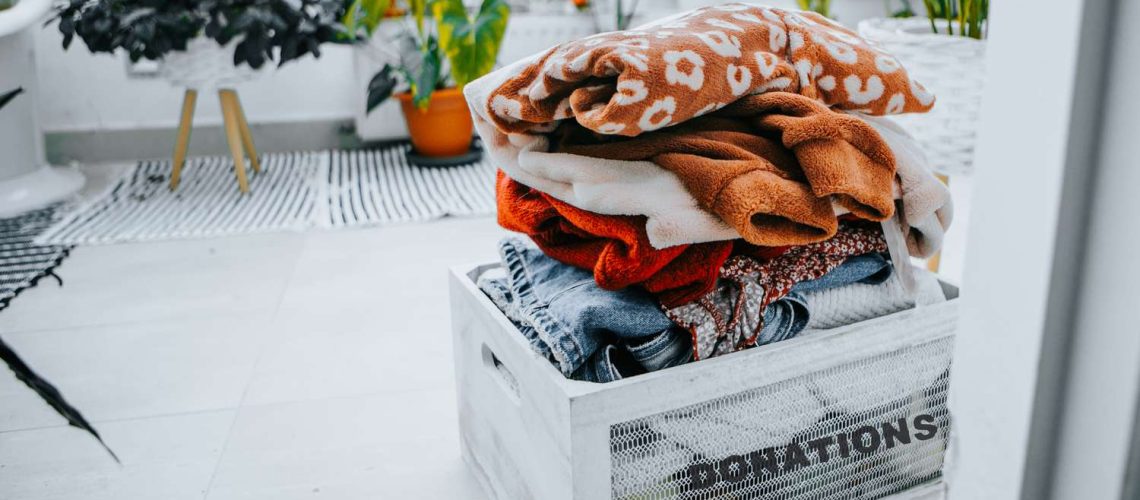
When you finish using a product, dispose of the empty packaging. When you notice an item that nobody needs, decide whether it should be donated, recycled, or discarded. When a storage area becomes difficult to navigate, spend a few minutes reorganising it.
These small habits prevent clutter from accumulating in the first place.
Conclusion
Household supplies become clutter when there is more coming in than the home can reasonably store or use. The solution is not simply to find bigger storage spaces. It is to develop better habits around purchasing, organising, using, and reviewing household items.
By keeping similar supplies together, limiting backstock, rotating older products, using storage space wisely, and checking what you already own before shopping, you can maintain a home that feels more organised and easier to manage.
A well-organised supply area saves more than space. It can save time, reduce unnecessary spending, minimise waste, and make everyday household responsibilities much simpler.
