

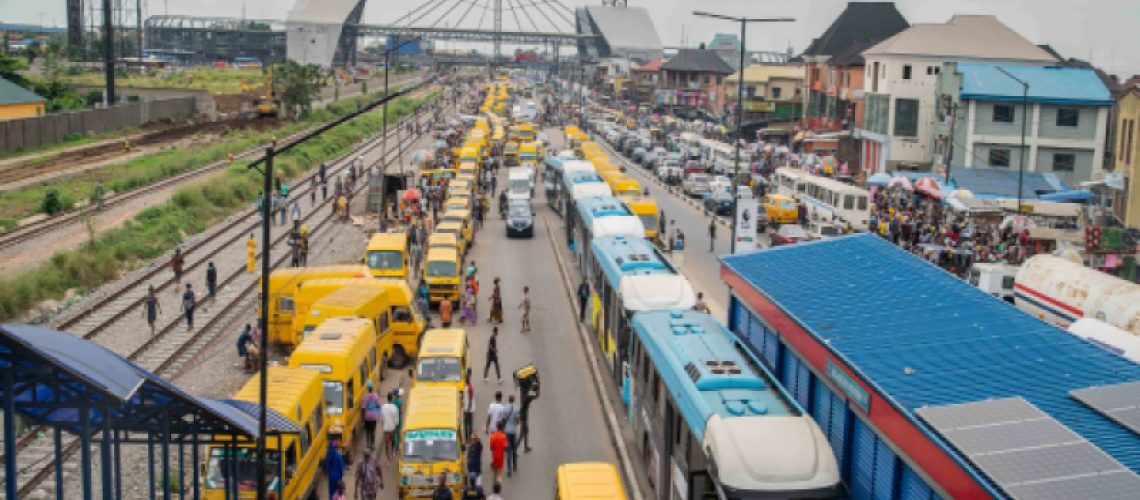
How Better Bus Stops Could Improve Commuting in African Cities
For millions of people across African cities, buses are an essential part of daily life. Students rely on them to get to school, workers use them to reach offices, and families depend on public transport for shopping, appointments, and other activities. Yet the quality of the bus stop itself is often overlooked.
A bus stop is more than a place where passengers wait. When properly designed, it can make public transportation safer, faster, more comfortable, and more predictable. Better bus stops could therefore play an important role in improving urban mobility across Africa.
The Current Challenges at Many Bus Stops
In many African cities, passengers wait beside busy roads without proper shelters, seating, lighting, or clear information. Some stops have no clearly marked boarding areas, forcing buses to stop wherever passengers are waiting.
During the rainy season, commuters may struggle to find protection from heavy rain. In hot weather, passengers can spend long periods standing under direct sunlight. Poor lighting can also create safety concerns for people travelling early in the morning or late in the evening.
Unorganized boarding can create additional problems. When several buses compete for passengers, vehicles may stop suddenly or block traffic while commuters rush to board.
Better Bus Stops Can Improve Safety
Safety should be one of the most important considerations in public transport planning.
Clearly marked bus bays can reduce confusion between buses, pedestrians, motorcycles, bicycles, and private vehicles. Raised or protected pedestrian crossings can also make it easier for passengers to reach their buses without crossing dangerous sections of road.
Good lighting is another simple but important improvement. Well-lit stops can increase visibility and help commuters feel more secure, particularly at night.
Bus stops should also provide enough space for passengers to wait without standing directly in moving traffic.
Shelters Can Make Waiting More Comfortable
Long waiting times are a major part of the commuting experience. A well-designed shelter can make that experience considerably better.
Basic features such as a roof, seating, ventilation, and protection from rain can make a significant difference. In warmer climates, shelters should be designed to provide shade while allowing air to circulate.
The design does not necessarily have to be expensive. Local materials and climate-appropriate designs can be used to create practical shelters that are affordable to build and maintain.
Clear Information Can Reduce Confusion
Many commuters know their routes through experience, but visitors, new residents, and occasional passengers may struggle to understand where to board.
Bus stops can provide simple information showing routes, destinations, fares, operating hours, and major connections. Maps and route numbers can make the system easier to understand.
Digital displays can be useful in larger cities, but even printed signs can make a substantial improvement where budgets are limited.
Better Stops Can Help Reduce Traffic Problems
Organized bus stops can also benefit the wider road network.
When buses have designated places to pick up and drop off passengers, they are less likely to stop randomly in traffic lanes. This can reduce unnecessary congestion and improve the movement of other vehicles.
Well-planned stops can also encourage public transport operators to follow more predictable boarding practices. Over time, better organization can contribute to more efficient journeys.
Accessibility Should Be Part of the Design
Public transport should work for everyone, including older people, people with disabilities, parents with children, and passengers carrying heavy items.
Accessible bus stops can include ramps, level boarding areas, tactile paving, wider walkways, and clearly visible signs. These features can make public transportation easier to use for people who may otherwise struggle with poorly designed infrastructure.
Accessibility should not be treated as an optional addition. It should be considered from the beginning of every transport project.
Bus Stops Can Support Local Businesses
A busy and well-organized bus stop can also create opportunities for small businesses.
Carefully planned spaces may accommodate small vendors, kiosks, or other services without obstructing passengers or traffic. This can create economic opportunities while making everyday commuting more convenient.
However, commercial activity should be properly managed. Walkways and boarding areas must remain clear so that businesses do not recreate the congestion that better bus stops are intended to solve.
Technology Can Make Bus Stops Smarter
African cities can also use technology to improve the passenger experience.
Simple digital systems can provide real-time information about bus arrivals, route changes, delays, and service disruptions. Mobile payment systems can make boarding faster, while QR codes or mobile applications can help passengers access route information.
However, technology should complement rather than replace basic infrastructure. A commuter should still be able to use a bus stop without owning a smartphone or having reliable internet access.
Maintenance Matters as Much as Construction
Building a modern bus stop is only the beginning. Without regular maintenance, even an attractive facility can quickly become unusable.
Cities need systems for cleaning, repairing damaged seating, replacing lights, maintaining signs, managing waste, and addressing vandalism.
Maintenance responsibilities should be clearly assigned between transport authorities, municipalities, operators, and other relevant stakeholders.
Designing for African Cities
There is no single bus stop design that will work everywhere in Africa. Cities have different climates, road networks, population densities, transport systems, and budgets.
A bus stop in Lagos may require different solutions from one in Nairobi, Accra, Kigali, Johannesburg, or Addis Ababa. Local conditions should therefore guide the design.
The goal should not simply be to copy infrastructure from another country. Instead, African cities can develop practical designs that respond to their own transportation challenges and environmental conditions.
Small Improvements Can Create Big Changes
Improving bus stops does not always require massive infrastructure projects. Adding shelter, seating, lighting, clear signs, pedestrian crossings, waste bins, and organized boarding areas can already make a noticeable difference.
Cities can also begin with high-traffic routes and gradually expand improvements to other areas. This allows authorities to test designs, gather passenger feedback, and prioritize investments where they will have the greatest impact.
The Future of Urban Commuting
As African cities continue to grow, public transportation will become increasingly important. Better roads and larger fleets are valuable, but the passenger experience also depends on what happens between the journey’s beginning and end.
A well-designed bus stop can make public transportation safer, more accessible, more organized, and more attractive. It can reduce uncertainty for passengers while helping buses operate more efficiently.
Ultimately, improving bus stops is not simply about building shelters beside roads. It is about designing cities around the people who use them every day. With thoughtful planning, practical infrastructure, and consistent maintenance, better bus stops can become an important part of creating more efficient and livable African cities.
