

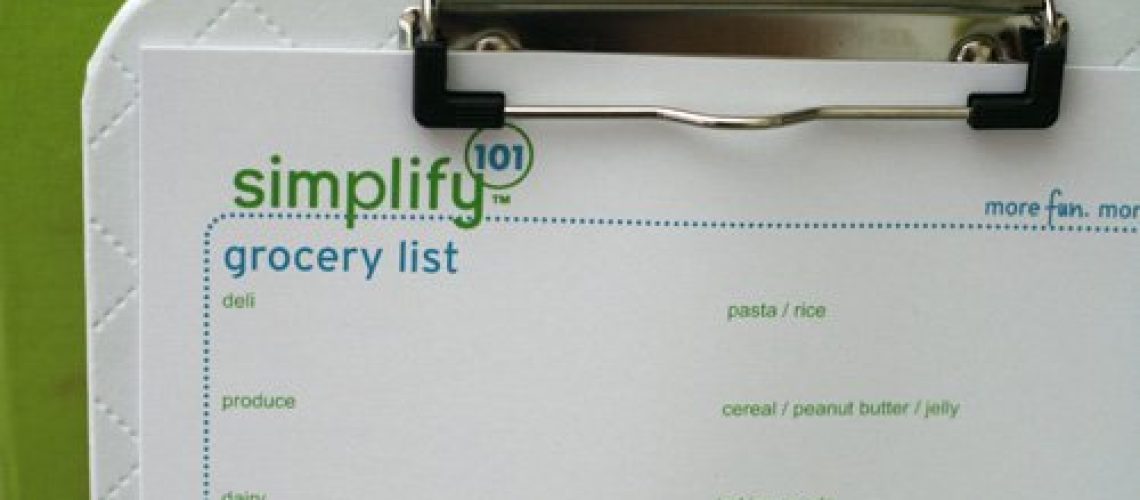
Running errands can seem simple until several small tasks begin competing for your attention.
A trip to the market can turn into a stop at the pharmacy, bank, post office, laundry service, or repair shop. Without a clear plan, it is easy to forget something, make unnecessary trips, or spend more time and money than expected.
A reusable errand checklist can make these everyday tasks much easier. Instead of creating a new list from scratch every time, you can maintain one flexible checklist and update it whenever necessary.
Start With Your Regular Errands
Begin by writing down the errands you frequently handle. Think about the tasks you normally complete during a week or month.
Your list might include:
- Buying groceries
- Paying bills
- Picking up prescriptions or household items
- Going to the bank
- Collecting or dropping off packages
- Visiting the market
- Getting clothes washed or repaired
- Buying household supplies
- Refueling your vehicle
- Handling administrative tasks
The goal is not to create a perfect list immediately. Start with the activities that regularly take you outside your home.
Organize Errands by Location
One of the best ways to make an errand checklist more efficient is to organize tasks according to location.
For example, if several errands are in the same neighborhood, group them together. You could have sections such as:
Market Area
- Buy vegetables
- Buy household supplies
- Pick up packaged food
Shopping Centre
- Collect parcel
- Buy toiletries
- Visit repair shop
Banking Area
- Deposit money
- Handle account-related task
- Pay necessary bill
This approach reduces unnecessary movement and can help you save both time and transportation costs.
Create a Master Checklist
Instead of creating a completely new checklist every time you have errands, create a master version containing your most common tasks.
Keep it somewhere convenient, such as your phone, notes app, planner, or a printed sheet.
When you need to go out, simply select the relevant tasks from the master checklist. This prevents you from repeatedly writing the same information.
Add a Priority System
Not every errand has the same level of urgency.
Use simple categories such as:
Urgent: Must be completed today.
Important: Should be completed soon but can wait a little.
Optional: Can be postponed if necessary.
This prevents minor tasks from taking attention away from more important responsibilities.
For example, picking up an essential item may be urgent, while browsing for something you might buy can be optional.
Include What You Need to Take
An effective errand checklist should not only tell you where to go. It should also remind you what you need before leaving home.
Depending on the task, you may need:
- Wallet
- Identification
- Bank card
- Shopping bags
- Receipts
- Documents
- Keys
- Phone charger or power bank
- Items that need to be returned or repaired
This small section can prevent frustrating situations where you arrive at your destination only to discover that you forgot something important.
Add a Budget Section
Errands can become expensive when several purchases are made without planning.
For shopping-related tasks, add an estimated budget beside each major item. This gives you a clearer idea of how much money you expect to spend.
You can also include a total spending limit for the entire trip.
A budget does not have to be complicated. Even a simple estimate can reduce unnecessary purchases and make your errands more predictable.
Leave Space for Unexpected Tasks
A reusable checklist should be flexible.
You may suddenly remember that you need to collect a package, purchase a household item, or visit a business while you are already outside.
Leave a small section for Additional Errands so you can add unexpected tasks without rewriting your entire list.
Review the Checklist Before Leaving
Take a few minutes to review your list before starting your trip.
Check whether some errands can be completed online, whether multiple tasks are located near one another, and whether you have everything you need.
You may discover that two separate trips can be combined into one.
This quick review can save significant time, especially in busy cities where traffic and transportation costs make unnecessary trips expensive.
Update the Checklist Regularly
Your routine will change over time, so your checklist should change with it.
Remove tasks you no longer perform regularly and add new ones when they become part of your routine.
You can also make notes about businesses, opening times, preferred routes, or items you frequently forget. Over time, the checklist becomes a personalized system for managing your errands.
Use Technology When Helpful
A digital checklist can be particularly useful because it is easy to update and carry everywhere.
You can create separate sections for groceries, household tasks, shopping, banking, appointments, and other responsibilities. Some apps also allow you to set reminders or organize tasks by location.
However, technology is not essential. A notebook or printed checklist can work just as well if you prefer writing things down.
Make It Simple Enough to Use
The biggest mistake is creating a checklist that becomes another chore.
Keep the system simple. You should be able to open it, identify what needs to be done, and start moving.
A good reusable errand checklist should reduce mental effort rather than create more of it.
Final Thoughts
A reusable errand checklist turns scattered responsibilities into a manageable system. By grouping tasks by location, setting priorities, preparing what you need, tracking your budget, and updating the list regularly, you can make routine trips faster and more organized.
The real benefit is not simply remembering what to buy or where to go. It is reducing the amount of mental energy required to manage everyday responsibilities.
Once your checklist becomes part of your routine, errands can become less stressful, more predictable, and much easier to fit into a busy schedule.
