

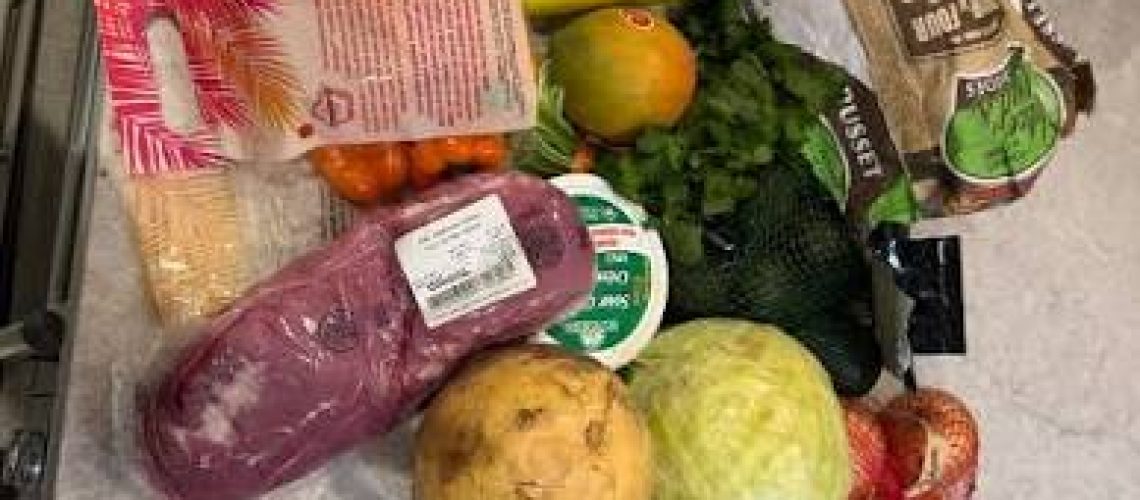
Buying staple foods such as rice, beans, garri, flour, yam, maize, cooking oil, and other everyday essentials can take a significant portion of a household budget.
For large families, the challenge becomes even greater as food prices continue to change and household needs increase.
One practical way families can reduce the pressure is by sharing the cost of buying staple foods. Instead of one person carrying the entire financial responsibility, family members can contribute according to their ability and agree on a simple system for purchasing and distributing food.
When properly organized, shared food buying can reduce expenses, improve household planning, and ensure that essential foods are available when needed.
What Does Shared Food Buying Mean?
Shared food buying is a system where two or more family members contribute money toward purchasing staple foods in larger quantities.
For example, three siblings living in different homes may decide to contribute toward purchasing a 50kg bag of rice, several bags of beans, or a large quantity of cooking oil. The items can then be divided according to each person’s contribution or agreed household needs.
The same approach can also work among extended family members, parents and adult children, or relatives living within the same community.
Why Families Should Consider Sharing Food Costs
1. It Makes Bulk Buying More Affordable
Buying larger quantities can sometimes offer better value than repeatedly purchasing smaller portions. However, not every family can comfortably afford a large purchase at once.
Sharing the cost allows several people to enjoy the benefits of bulk buying without one person having to provide all the money.
2. It Reduces Frequent Shopping
Buying staple foods in reasonable quantities can reduce the number of trips to markets and supermarkets. This can save transportation costs, time, and the stress of making repeated purchases.
For busy families, fewer shopping trips can make household management much easier.
3. It Encourages Better Budgeting
When families plan their food purchases together, they can determine what is actually needed before spending money.
A simple monthly or quarterly food budget can help the family identify essential items, expected quantities, and how much each person needs to contribute.
4. It Helps Families Prepare for Price Changes
Food prices can change significantly due to seasonal supply, transportation costs, inflation, and other economic factors.
When families purchase certain non-perishable staples in advance, they may be able to reduce the impact of sudden price increases.
However, families should avoid buying more than they can safely store and use.
How to Create a Family Food-Sharing System
Step 1: Identify the Staple Foods Everyone Needs
Start by making a list of commonly consumed foods.
This might include:
- Rice
- Beans
- Garri
- Maize
- Flour
- Cooking oil
- Semolina
- Yam
- Spaghetti
- Salt
- Sugar
- Seasonings
Not every item needs to be purchased collectively. Focus on foods that several family members regularly use.
Step 2: Decide How Much to Buy
Estimate how much each household consumes over a specific period.
For example, a family group may decide to purchase enough rice and beans to last for one or two months.
Avoid choosing quantities simply because they appear cheap. Consider storage space, consumption rate, and the possibility of spoilage.
Step 3: Agree on Contributions
Families should establish a clear contribution system before making the purchase.
There are several ways to do this. Everyone could contribute an equal amount, or contributions could be based on household size and expected consumption.
For example, a household of six may contribute more than a household of three if the food will be divided according to the number of people served.
The important thing is to agree on the method before money is collected.
Step 4: Assign Someone to Handle the Purchase
One person can be responsible for purchasing the food, especially if they have access to a reliable market or supplier.
However, the process should remain transparent.
The person making the purchase should communicate:
- What was bought
- Quantity purchased
- Total cost
- Transportation or delivery expenses
- Any additional charges
Keeping simple records can prevent misunderstandings.
Step 5: Divide the Food Fairly
Once the food has been purchased, it should be divided according to the agreed arrangement.
If contributions are equal, equal portions may make sense. If contributions differ, portions can be adjusted accordingly.
For items that are difficult to divide physically, families can calculate the monetary value of each person’s share.
Step 6: Store the Food Properly
Food sharing does not end when the purchase is made. Proper storage is essential.
Rice, beans, maize, flour, and other dry foods should be kept in clean, dry, well-sealed containers. Foods should also be protected from insects, rodents, moisture, and excessive heat.
Perishable foods require appropriate refrigeration or other suitable storage methods.
Set Clear Rules About Money
Money can become a source of conflict if expectations are unclear.
Before starting a shared food arrangement, families should agree on simple rules.
For example:
- Contributions should be made before the purchase date.
- All expenses should be recorded.
- Changes in quantity should be communicated.
- No one should take another person’s portion without permission.
- Additional expenses should be discussed openly.
- Anyone leaving the arrangement should give reasonable notice.
These rules do not need to be complicated. Their purpose is simply to create clarity.
Consider Different Household Needs
Families are not always identical in their food preferences.
One household may eat more rice, while another may prefer beans, yam, or garri. Children may also have different dietary needs from adults.
Therefore, shared purchasing should not automatically mean everyone receives exactly the same things.
Families can create a flexible arrangement where common staples are purchased together while individual households purchase specialized items separately.
Use Technology to Keep Everyone Updated
Family members can use messaging apps or simple digital spreadsheets to manage shared food purchases.
A group chat can be used to:
- Share market prices
- Confirm contributions
- Discuss what to buy
- Share receipts
- Record expenses
- Announce distribution dates
This can make the system easier to manage, particularly when family members live in different locations.
Avoid These Common Mistakes
Shared food buying can save money, but poor planning can eliminate the benefits.
One common mistake is buying too much. A lower price does not represent a saving if part of the food eventually spoils.
Another mistake is failing to compare prices. Families should check different suppliers before making large purchases.
It is also important to avoid unclear financial arrangements. Everyone should understand how much they are contributing and what they are receiving.
Finally, families should not allow one person to carry all the administrative responsibility indefinitely. Rotating purchasing responsibilities can make the arrangement feel more balanced.
A Simple Example
Imagine four siblings who live in different households. Instead of each person purchasing smaller quantities of rice, beans, and cooking oil separately, they agree to contribute a fixed amount every two months.
One sibling compares prices and makes the purchase. The receipt is shared with everyone, and the food is divided according to the agreed contribution system.
Each person then collects their portion and stores it at home.
The arrangement gives the siblings greater purchasing power while reducing the need for repeated shopping.
Make Food Sharing About Cooperation, Not Competition
The biggest benefit of shared food buying is not necessarily getting the lowest possible price. It is creating a system where family members can support one another.
Some months, one person may have financial difficulties. Another family member may be able to contribute more temporarily. What matters is having an arrangement that allows flexibility without creating resentment.
Families should therefore approach shared food purchases with communication, transparency, and mutual respect.
Final Thoughts
Sharing the cost of staple foods can be a practical way for families to manage household expenses. By combining purchasing power, planning ahead, comparing prices, and keeping clear financial records, families can make essential food purchases more manageable.
The system works best when everyone understands the rules and participates willingly.
With good planning, a family food-sharing arrangement can turn everyday grocery shopping into a more organized, affordable, and cooperative household practice.
