

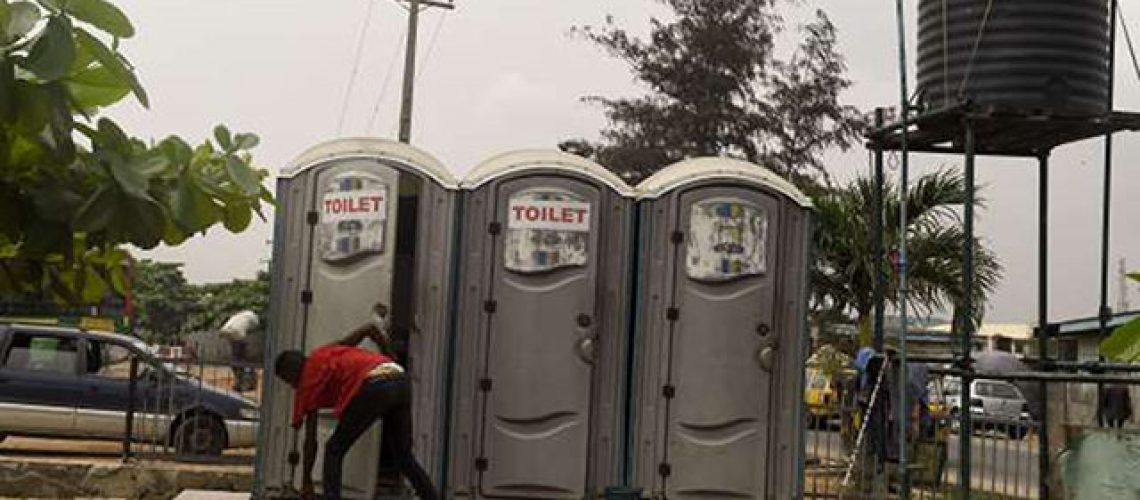
As African cities continue to grow, access to clean and affordable public toilets is becoming increasingly important.
Rapid urbanization brings more people into commercial districts, transport hubs, markets, schools, workplaces, and entertainment areas. Yet, in many busy urban communities, adequate sanitation facilities have not expanded at the same pace.
For millions of people, finding a clean and accessible toilet while away from home can be difficult. This affects commuters, traders, drivers, tourists, students, workers, and people living in densely populated neighborhoods.
Affordable public toilets may seem like a basic urban service, but they play an important role in public health, dignity, environmental cleanliness, and the overall quality of city life.
The Growing Need for Public Toilets
African cities are experiencing rapid population growth. As more people move into urban areas, public spaces become busier and existing infrastructure faces greater pressure.
Markets and transportation centers can be particularly challenging. Hundreds or thousands of people may pass through these locations every day, but there may be too few functioning toilets to meet demand.
When proper facilities are unavailable, some people may resort to unsafe or unhygienic alternatives. This can contribute to environmental pollution and make public spaces less pleasant and less safe.
Providing more accessible toilets is therefore an important part of planning cities for growing populations.
Affordable Toilets Improve Public Health
One of the biggest reasons public toilets matter is sanitation.
When people have access to clean toilets, communities can reduce practices that expose residents to human waste. Proper sanitation also makes it easier to maintain cleaner markets, streets, transport terminals, and recreational spaces.
However, affordability matters. If toilet fees are too high, low-income residents may avoid using the facilities.
A well-designed public toilet system should therefore aim for a price that ordinary residents can reasonably afford while still generating enough revenue to support cleaning, maintenance, water, and staffing.
They Support Market Traders
Markets are among the busiest places in many African cities.
Traders may spend eight, ten, or more hours at their stalls. Customers can also spend several hours shopping. Without nearby toilets, both groups face unnecessary discomfort and sanitation challenges.
Affordable public toilets can make markets more convenient and improve the experience for traders and shoppers.
For women in particular, access to suitable sanitation facilities can be especially important during long days away from home.
They Make Transportation Hubs More Convenient
Bus stations, train stations, motor parks, and major taxi areas attract large numbers of people every day.
Passengers may spend significant amounts of time waiting for transportation, especially when traveling between cities. Having accessible toilets at these locations provides a basic service that can make travel more comfortable.
Transportation facilities should therefore consider sanitation as part of their essential infrastructure rather than an optional extra.
Public Toilets Protect Human Dignity
Access to sanitation is also about dignity.
Nobody should have to spend hours searching for a toilet or feel embarrassed because there are no suitable facilities nearby. Children, older adults, people with disabilities, pregnant women, and people with certain medical needs may face even greater challenges when toilets are unavailable.
Affordable public facilities give people a safe and private place to attend to basic needs while participating in everyday city life.
They Can Create Small Business Opportunities
Public toilets can also contribute to local employment.
Depending on how they are managed, facilities can create jobs for cleaners, attendants, maintenance workers, security personnel, and managers.
Private operators can also develop sustainable sanitation businesses around busy markets, parks, transport centers, and commercial areas.
The key is to combine affordability with effective management. A toilet facility that is cheap but poorly maintained will quickly lose public trust.
Cleanliness Is Just as Important as Availability
Building public toilets is only the beginning.
A facility can exist but still fail the community if it is dirty, poorly ventilated, unsafe, or regularly without water.
Effective public toilet management should include:
- Regular cleaning
- Reliable water supply
- Adequate lighting
- Proper ventilation
- Handwashing stations
- Waste disposal systems
- Functional doors and locks
- Accessibility for people with disabilities
- Clear and reasonable fees
Maintenance should be considered from the beginning of the project rather than treated as an afterthought.
Cities Can Use Better Designs
Modern public toilets do not have to be expensive or complicated.
Cities can explore durable, water-efficient designs and facilities that are appropriate for local conditions. In areas where water supply is unreliable, alternative sanitation technologies may also provide useful solutions.
The best design depends on the location, climate, population, available infrastructure, and maintenance capacity.
Public toilets should also be designed with safety in mind, particularly in areas that remain busy after dark.
Public Toilets Can Improve Tourism
Tourists visiting African cities need access to basic amenities just like residents do.
A visitor exploring a historic district, beach, market, park, museum, or cultural center should not have to depend entirely on hotels or restaurants to find a toilet.
Clean and affordable public toilets can therefore contribute to a more welcoming tourism environment.
They are a small part of the visitor experience, but the absence of basic facilities can leave a lasting negative impression.
Communities Should Be Part of the Solution
Successful sanitation projects should involve the communities that will use them.
Local residents, traders, transport workers, businesses, and city authorities can help identify where toilets are most needed and what challenges existing facilities face.
Community involvement can also encourage people to take greater responsibility for keeping facilities clean and reporting vandalism or maintenance problems.
The Role of City Authorities
Local governments have an important role to play in making public sanitation accessible.
Authorities can identify high-demand areas, establish appropriate standards, regulate operators, and monitor cleanliness.
Partnerships with private businesses and community organizations can also help expand access without placing the entire financial burden on government.
Importantly, sanitation planning should be integrated into broader urban development. New markets, transport stations, parks, housing developments, and public spaces should include adequate toilet facilities from the planning stage.
Looking Ahead
African cities will continue to grow, and urban infrastructure must grow with them. Affordable public toilets may not receive as much attention as roads, bridges, housing, or transport systems, but they are essential to creating functional cities. They support public health, protect dignity, improve commercial areas, create employment, and make urban spaces more welcoming.
The goal should not simply be to build more toilets. Cities need accessible, affordable, safe, clean, and properly maintained sanitation facilities that serve people throughout the day.
As African urban centers prepare for the future, investing in basic sanitation is one practical step toward making city life healthier, more comfortable, and more inclusive for everyone.
