

Managing a household can feel like a full-time job, especially when work, school, family responsibilities, and personal commitments compete for attention.
Without proper planning, simple errands such as grocery shopping, picking up prescriptions, paying bills, or collecting packages can quickly become stressful.
The good news is that household errands do not have to disrupt your entire day. By planning them around school and work schedules, families can reduce unnecessary trips, save time, and create a smoother daily routine.
Why Errand Planning Matters
Household errands often appear small individually. However, several small tasks can consume hours when they are handled without a plan.
For example, a parent might leave work to pick up groceries, return home, take a child to school, and then go out again to pay a bill. Each trip creates additional travel time and expenses.
Planning helps bring these activities together. It also makes it easier for everyone in the household to understand who is responsible for what.
A well-planned errand schedule can help families:
- Reduce unnecessary trips.
- Save transportation costs.
- Avoid rushing during busy periods.
- Make better use of evenings and weekends.
- Reduce forgotten tasks.
- Balance work and family responsibilities.
- Create more predictable household routines.
Start With the Family’s Fixed Schedule
The first step is to identify activities that cannot easily be moved. These usually include school hours, work shifts, classes, appointments, and other regular commitments.
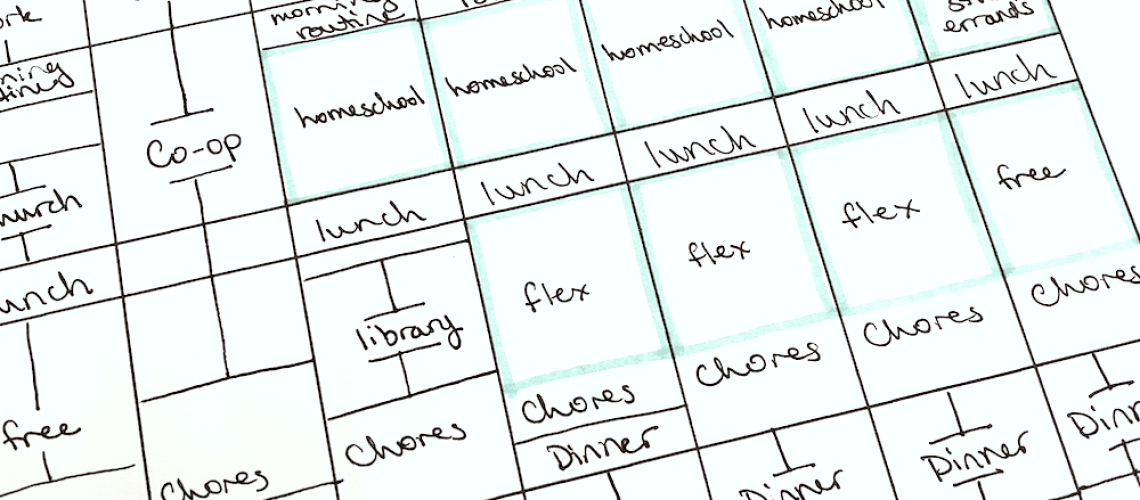
Create a simple weekly overview showing when family members are unavailable.
For example:
| Time | Main Activity |
|---|---|
| 6:30–8:00 AM | Breakfast and school preparation |
| 8:00 AM–3:00 PM | School |
| 8:00 AM–5:00 PM | Work |
| 3:00–5:00 PM | School pickup and activities |
| 5:00–7:00 PM | Dinner and family time |
| Evening | Homework, preparation and rest |
Once these fixed activities are visible, you can identify realistic windows for errands.
Group Similar Errands Together
One of the easiest ways to save time is through errand batching. Instead of completing each task on a different day, combine errands that are located near one another or can be handled during the same trip.
For instance, if you need to buy groceries, collect a package, visit a pharmacy, and purchase household supplies, consider handling them in one trip.
This approach is particularly useful when travelling across busy African cities where traffic can make multiple daily trips expensive and time-consuming.
However, batching works best when you consider location. There is little benefit in grouping errands together if doing so requires travelling across several distant areas.
Match Errands With Existing Routes
Your regular routes can become opportunities to complete household tasks.
If someone drives past a supermarket on the way home from work, grocery shopping may fit naturally into that journey. Likewise, a parent who passes a pharmacy after school pickup may be able to handle a prescription without making a separate trip.
The goal is not to fill every available moment with an errand. Instead, look for tasks that can be completed conveniently without creating additional travel.
Take Advantage of School Pickup and Drop-Off Times
School schedules create predictable windows that families can use strategically. For example, parents may schedule certain errands immediately after school drop-off if their workday starts later. Alternatively, an errand could be completed before picking up children in the afternoon.
Parents should also avoid scheduling too many tasks around school pickup. Unexpected traffic, delayed dismissal, or children’s activities can quickly turn a carefully planned schedule into a stressful one.
Leave a reasonable buffer between errands and important school commitments.
Use Weekends for Larger Household Tasks
Not every errand needs to happen during the working week. Larger grocery trips, household shopping, clothing purchases, and other non-urgent tasks can often be moved to weekends. Families can create a regular weekend shopping routine rather than making several small trips throughout the week.
However, weekends should not become nothing more than an extended errand period. Reserve some time for rest, family activities, and personal needs.
A useful approach is to complete the most important errands during one planned period and leave the remaining time free.
Assign Responsibilities Across the Household
Errand management should not automatically fall on one person.
Older children can handle age-appropriate tasks, while partners or other household members can share responsibilities. Even simple contributions can make a significant difference.
For example:
- One person handles grocery shopping.
- Another collects packages.
- Teenagers can help organize household supplies.
- A partner can handle school-related purchases.
- Online payments can replace unnecessary physical trips.
Sharing responsibilities also teaches children useful life skills such as planning, budgeting, and accountability.
Use Technology to Reduce Unnecessary Trips
Many errands can now be completed digitally. Depending on the service available in your area, households can use online shopping, digital banking, delivery services, appointment systems, and mobile payment platforms.
Before adding an errand to your schedule, ask:
Does this task actually require me to travel somewhere?
If a bill can be paid online or household supplies can be ordered for delivery, the saved travel time may be more valuable than the convenience of completing the task physically.
Technology should support your routine rather than create more notifications and distractions.
Plan Around Traffic and Peak Hours
In busy cities, timing can make a major difference.
An errand that takes 20 minutes during a quiet period might take much longer during rush hour. When planning household tasks, consider school traffic, work commute periods, market congestion, and other predictable delays.
If possible, schedule errands during quieter periods.
For example, grocery shopping immediately after work may be inconvenient if everyone is leaving offices at the same time. A morning trip after school drop-off or a weekend visit may be more efficient.
Keep an Emergency Errand Window
Even the best schedule can be disrupted. A child may suddenly need school supplies. Someone may run out of an essential household item. A work schedule may change unexpectedly.
Instead of filling every available time slot, keep one flexible period during the week for unexpected tasks.
This buffer prevents a single surprise errand from disrupting the entire household schedule.
Create a Shared Errand List
A shared list can prevent duplicate trips and forgotten tasks.
The list can be divided into categories such as:
Groceries:
Rice, vegetables, milk, bread and other food items.
Household:
Cleaning products, toiletries and basic supplies.
School:
Books, stationery, uniforms and project materials.
Personal:
Prescriptions, clothing and appointments.
Administrative:
Bills, banking and document-related tasks.
When someone is already going out, they can check the list and determine whether another task can be completed along the way.
Avoid Overplanning
Planning is helpful, but an overly complicated schedule can become another source of stress. Do not attempt to schedule every minute of the day. Household life involves unexpected events, tiredness, traffic, delays, and changing priorities.
Instead, identify the most important errands and give yourself enough flexibility to handle them comfortably.
A simple schedule that the family consistently follows is better than a perfect schedule that nobody can maintain.
Make Errand Planning a Weekly Habit
A short weekly planning session can make the entire household more organized.
Choose a convenient time, such as Sunday evening, and review the week ahead. Check school activities, work schedules, appointments, grocery needs, and household responsibilities.
Then decide:
- Which errands are urgent?
- Which can be combined?
- Which can be completed online?
- Who will handle each task?
- Which errands can wait?
- Where should you leave flexibility for unexpected needs?
This process can take only a few minutes but may save several hours throughout the week.
Conclusion
Planning household errands around school and work schedules is ultimately about making everyday life easier. The objective is not to create a rigid timetable but to reduce unnecessary movement, prevent last-minute rushing, and make better use of the time a household already has.
By grouping errands, using existing routes, sharing responsibilities, taking advantage of technology, and leaving room for unexpected tasks, families can manage their responsibilities more efficiently.
A household does not need to accomplish everything every day. Good errand planning is about knowing what needs to happen, when it needs to happen, and who can handle it with the least disruption.
